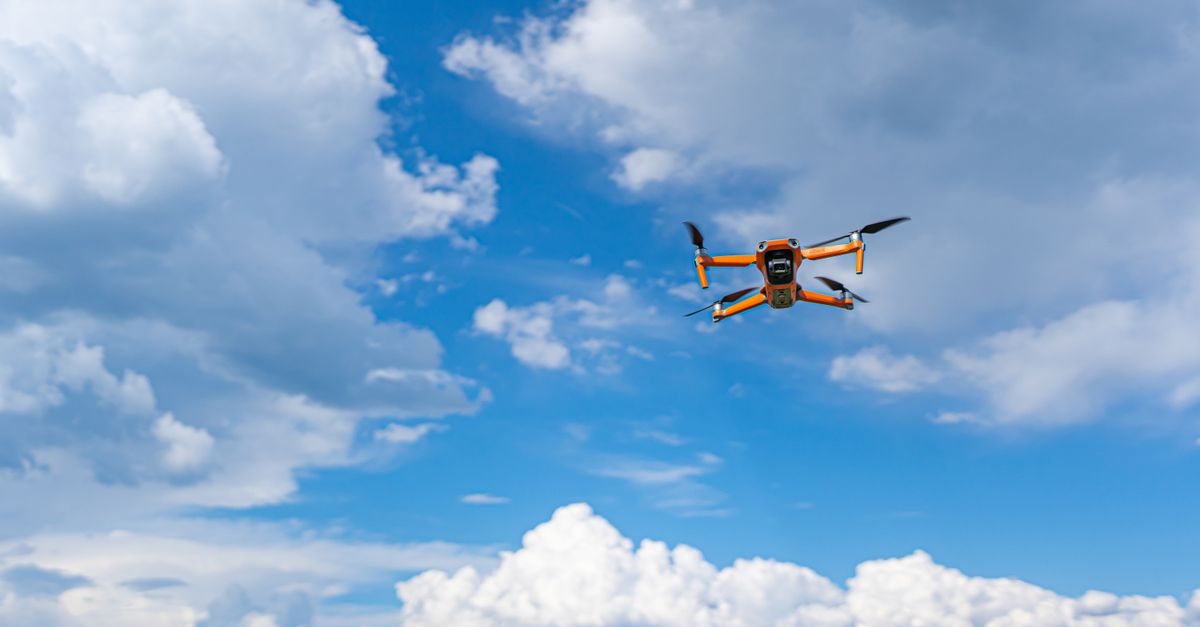
File photo — not from this news story. · See the original story's photos → · Photo: Castorly Stock / Pexels
📰 Daily News
Drones fly into clouds to make rain fall
AI가 레벨별로 작성한 세계 뉴스 · World news, written by AI at each level
Did you know humans can make rain? It sounds like magic, but it is real science. Today, drones help scientists do this work.
This technology is called cloud seeding. Here is how it works. First, a drone flies high into the sky. Then it goes into a cloud. The drone releases tiny particles—very, very small pieces. These particles are usually salt or ice. When the particles touch the water in clouds, something happens. The water starts to freeze and join together. Soon, water drops become heavy. They fall as rain.
Many countries use this technology now. Some regions are very dry. They do not get much rain. Farmers need water for crops. Cities need water for people to drink. So these countries try cloud seeding to help.
Why are drones good for this job? Drones can fly where planes cannot go. They are smaller and cheaper. A drone can reach clouds easily and safely. Scientists can control drones from the ground. This is very helpful.
Cloud seeding is not new. People tried it many years ago. But drones make it better and easier. Now scientists can do this work more often.
Is cloud seeding the answer to water problems? Maybe. But it is not perfect. Rain is still hard to control. Weather is very complicated. Scientists are still learning. They test drones in different places. They measure how much extra rain falls. The results are interesting.
This technology gives hope to dry places. Imagine a region where farmers struggle to grow food. A drone flies up and helps bring rain. Suddenly, crops can grow. People have water. It is a powerful idea.
Inspired by reporting from BBC News.
📚 Vocabulary
cloud seeding
a method to make rain by releasing particles into clouds
구름에 입자를 방출하여 비를 내리게 하는 방법
particle
a very small piece of something
매우 작은 조각
drone
a small aircraft without a person inside; it is controlled from far away
사람이 타지 않는 작은 항공기; 멀리서 조종됨
region
an area of land; a place
토지의 한 지역; 장소
freeze
to become hard and cold; to turn into ice
단단하고 차가워지다; 얼음이 되다
Your next step
Step 1 · Free level test
Find your English level in about 12 minutes — free, no signup required.
Take the level test →
Step 2 · Free 30-minute class
Try one real class with Uncle J, free.
Book my free class →
Step 3 · Sign up free to get started ↓
전체 레슨을 보고 싶으세요?
Want the full lesson?
회화 연습, 역할극, 문법, 그리고 진짜 선생님이 안에 있어요.
Conversation practice, roleplay, grammar, and a real tutor are inside.