Eureka! · No. 23
The Water That Tasted Different by Daylight
아침이 되자 달라진 물맛
Wonhyo · 원효 — Silla, Korea, c. 661 CE
💡 The Idea
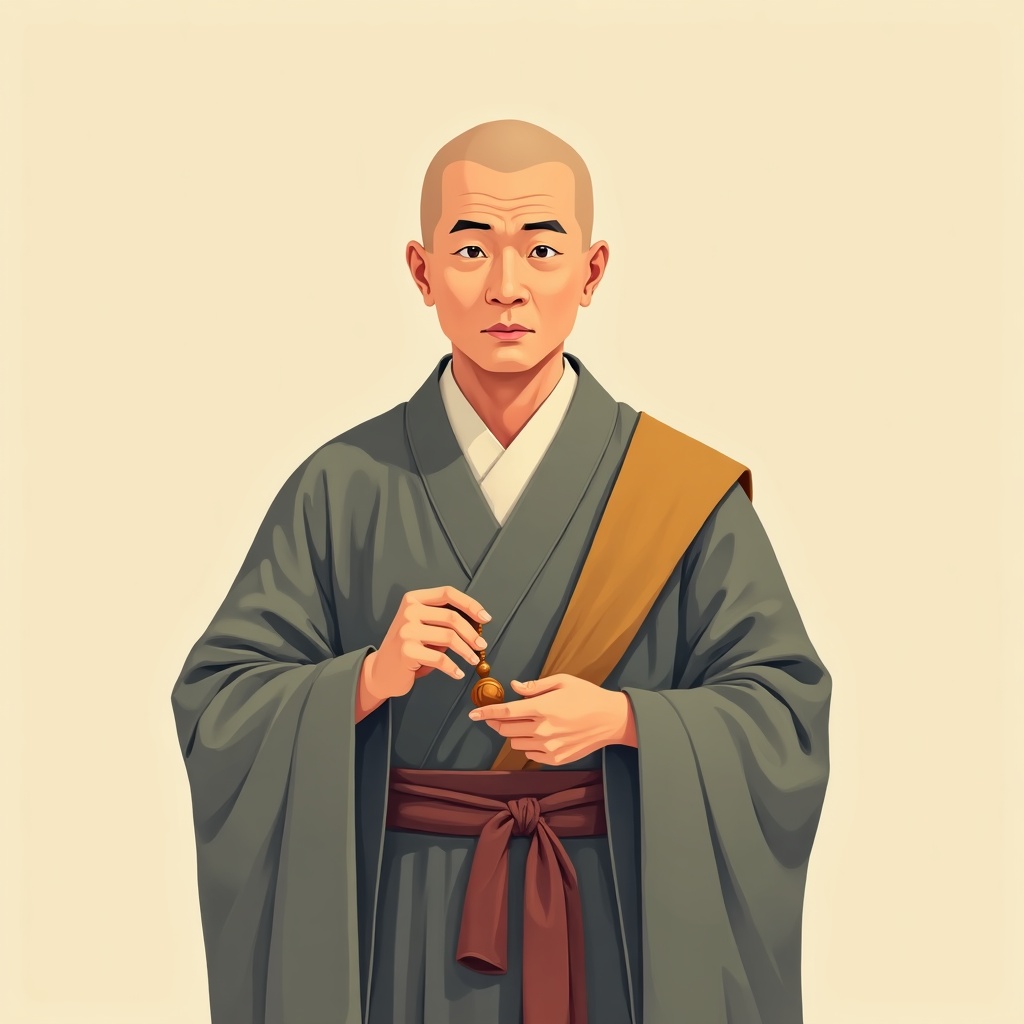
Wonhyo (617-686) was a Buddhist thinker from Silla. His big idea is that everything we meet is shaped by the mind. The same water can taste sweet at night and feel dirty in the morning. The water did not change. The mind did. This means the answer you want is not "out there" far away. You can start looking inside yourself. Wonhyo also worked to bring different teachings together. He saw rival schools as partial views of one mind. In Korean this idea is called hwajaeng (화쟁), "harmonizing arguments." About the source: the tomb story is a tradition, not a news report. The oldest version is in a Chinese monk biography from the 10th century. In that version there is a tomb, but no skull. The skull-water and the other details came later. Teachers use the story because its lesson still works.
원효(617~686)는 신라의 불교 사상가예요. 그의 큰 생각은 우리가 만나는 모든 것을 마음이 만든다는 것이에요. 같은 물이 밤에는 달콤하고 아침에는 더럽게 느껴질 수 있어요. 물은 변하지 않았어요. 마음이 변했어요. 그래서 우리가 찾는 답은 멀리 '밖'에 있지 않아요. 먼저 자기 안을 들여다볼 수 있어요. 원효는 서로 다른 가르침을 하나로 모으려고도 했어요. 그는 다투는 학파들이 하나의 마음을 부분적으로 본 것이라고 생각했어요. 이 생각을 화쟁(和諍), '다툼을 화해시킴'이라고 해요. 출처에 대해: 무덤 이야기는 사실 기록이 아니라 전해 내려오는 이야기예요. 가장 오래된 기록은 10세기 중국 승려 전기에 있어요. 그 기록에는 무덤은 나오지만 해골은 나오지 않아요. 해골 물 같은 이야기는 나중에 덧붙여졌어요. 교훈이 지금도 통하기 때문에 선생님들은 이 이야기를 가르쳐요.
📚 Grammar focus
Past simple (narrative)
✏️ Try it
Put the verb in the Past Simple: 1. Wonhyo and Uisang _______ (walk) toward the coast. 2. In the night, Wonhyo _______ (drink) some water. 3. He _______ (not / see) the tomb in the dark. 4. In the morning, he _______ (understand) something new. 5. _______ he _______ (go) to China? (Make a question.) Bonus: Write three Past Simple sentences about what you did yesterday.
전체 레슨을 보고 싶으세요?
Want the full lesson?
회화 연습, 역할극, 문법, 그리고 진짜 선생님이 안에 있어요.
Conversation practice, roleplay, grammar, and a real tutor are inside.