Eureka! · No. 35
A Belt for a City Wall
허리띠로 만든 성벽
Mozi · 묵자 — China, about the 5th century BCE
💡 The Idea
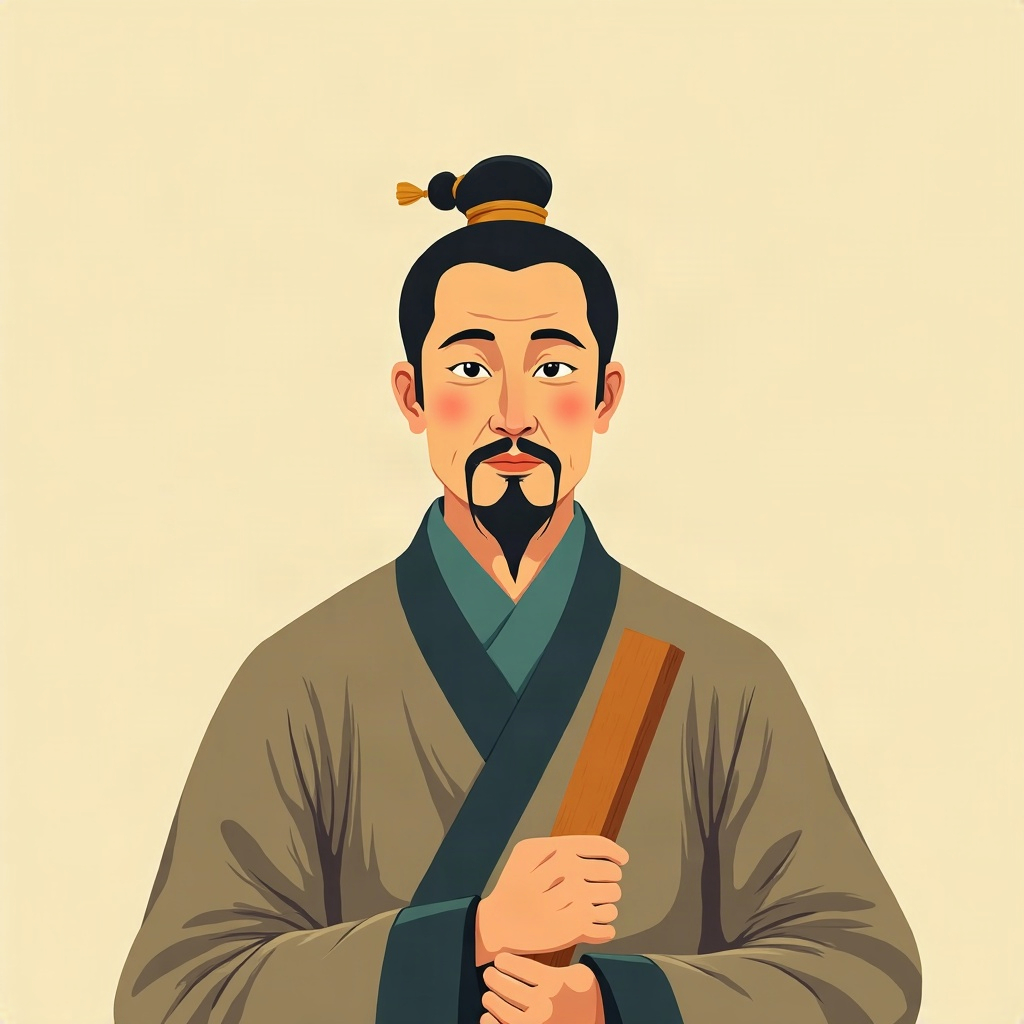
Mozi (Mo Di) was a Chinese thinker who lived around the 5th century BCE. We know very little about his life, and we do not know his exact dates. Stories in the book that carries his name show him as a skilled craftsman and military engineer. He started an organized community of followers, and he is remembered as the first big rival of Confucius and his followers. Mozi's teaching is gathered in ten ideas. The best-known is impartial care, in Chinese jian ai. Mozi said that the world's troubles come from people caring more about themselves than about others, and more about their own group than about strangers. Then people feel free to help themselves or their group by hurting others, even with violence. His answer was to care about the welfare of everyone, without drawing a strong line between self, friends, and strangers. In our unit, the story of Chu and Song shows the idea in action: Chu has plenty of land, so it should not harm a small, weaker state. How is this different from Confucius, who is also in this series? According to tradition, Mozi first studied with Confucian teachers and later disagreed with them. The later Confucian Mencius did not accept Mozi's idea. He said that equal care was like having no father. In the same book, a Mohist named Yi Zhi answered that care can be equal, even if practical help starts with those who are close: "In care, no degrees; in practice, begin from what is close." Mozi and Confucius are often named together as the two great teachers of their time. They gave different advice about how far care should reach. Mozi was not a pacifist. He opposed attacks on weak states, but he believed that a strong defence was important. Mohist followers became experts in defending cities. This is why the belt-and-sticks scene fits him so well. About the sources: the Chu and Song story is in the chapter "Gongshu" of the book Mozi. The book was put together over about three centuries, so we cannot be sure that every detail of the story happened exactly this way. The conversation with the student is invented to teach the idea, and the student is not a real person. The words Mozi says in the scene are not real quotations. The facts about Mozi come from the Stanford Encyclopedia of Philosophy and the Internet Encyclopedia of Philosophy.
묵자(묵적)는 기원전 5세기경에 살았던 중국의 사상가예요. 그의 삶에 대해 아는 것은 많지 않고, 정확한 연대도 알 수 없어요. 그의 이름이 붙은 책에 실린 이야기들은 그를 솜씨 좋은 장인이자 군사 기술자로 그려요. 그는 조직된 공동체를 이끌었고, 공자와 그의 제자들의 첫 번째 큰 맞수로 기억돼요. 묵자의 가르침은 열 가지 생각으로 모여 있어요. 가장 유명한 것은 모두를 똑같이 아끼는 마음, 한자로는 겸애(兼愛)예요. 묵자는 세상의 문제가 사람들이 남보다 자신을, 낯선 사람보다 자기 편을 더 아끼는 데서 온다고 보았어요. 그러면 사람들은 자기나 자기 편을 위해 남을 해쳐도, 폭력을 써도 괜찮다고 느끼게 돼요. 그의 답은 나와 친구와 낯선 사람 사이에 강한 선을 긋지 말고 모두의 안녕을 아끼라는 것이었어요. 이 단원의 초나라와 송나라 이야기는 그 생각이 행동으로 나타난 모습이에요. 초나라는 땅이 넉넉하니 작고 약한 나라를 해쳐서는 안 된다는 거예요. 이 시리즈에 함께 있는 공자와는 어떻게 다를까요? 전해 오는 이야기로는 묵자가 처음에는 유학 스승들에게 배웠다가 나중에 생각이 달라졌다고 해요. 훗날 유학자 맹자는 묵자의 생각을 받아들이지 않았어요. 모두를 똑같이 아끼는 것은 아버지가 없는 것과 같다고 말했지요. 같은 책에서 묵가 사람 이지(夷之)는 이렇게 답했어요. 아끼는 마음은 똑같을 수 있고, 실제로 돕는 일은 가까운 사람부터 시작할 수 있다는 거예요. "아끼는 마음에는 등급이 없고, 실천은 가까운 데서 시작한다." 묵자와 공자는 그 시대의 두 위대한 스승으로 함께 불려요. 둘은 아끼는 마음이 어디까지 미쳐야 하는지에 대해 서로 다른 조언을 했어요. 묵자는 평화주의자가 아니었어요. 그는 약한 나라를 공격하는 일에는 반대했지만 튼튼한 방어가 중요하다고 믿었어요. 묵가의 제자들은 도시를 지키는 전문가가 되었어요. 그래서 허리띠와 나뭇조각 장면이 그에게 잘 어울려요. 출처에 대해: 초나라와 송나라 이야기는 《묵자》의 「공수」 편에 실려 있어요. 이 책은 약 300년에 걸쳐 만들어졌기 때문에, 이야기의 모든 세부 내용이 정확히 그대로 일어났다고 확신할 수는 없어요. 제자와의 대화는 이 생각을 가르치려고 지어낸 장면이고, 제자는 실제 인물이 아니에요. 장면 속 묵자의 말도 실제로 한 말이 아니에요. 묵자에 대한 사실은 스탠퍼드 철학 백과사전과 인터넷 철학 백과사전에서 가져왔어요.
📚 Grammar focus
Contrast (but / although / however / while)
✏️ Try it
Fill in the blank with but, although, however, or while. 1. Mozi was tired, _______ he did not wait. 2. _______ Song had done nothing wrong, Chu wanted to attack it. 3. Chu is rich, _______ Song is small and poor. 4. The king agreed with Mozi. _______, he still wanted to use the ladders. 5. _______ Gongshu Ban was a great engineer, he could not break Mozi's wall. Bonus: Write two sentences about your own life. Use "but" in one and "although" in the other.
전체 레슨을 보고 싶으세요?
Want the full lesson?
회화 연습, 역할극, 문법, 그리고 진짜 선생님이 안에 있어요.
Conversation practice, roleplay, grammar, and a real tutor are inside.