Eureka! · No. 20
The King, the Ox, and the Sprout of Kindness
왕과 소, 그리고 어진 마음의 싹
Mencius · 맹자 — Qi state, China, c. 320 BCE
💡 The Idea
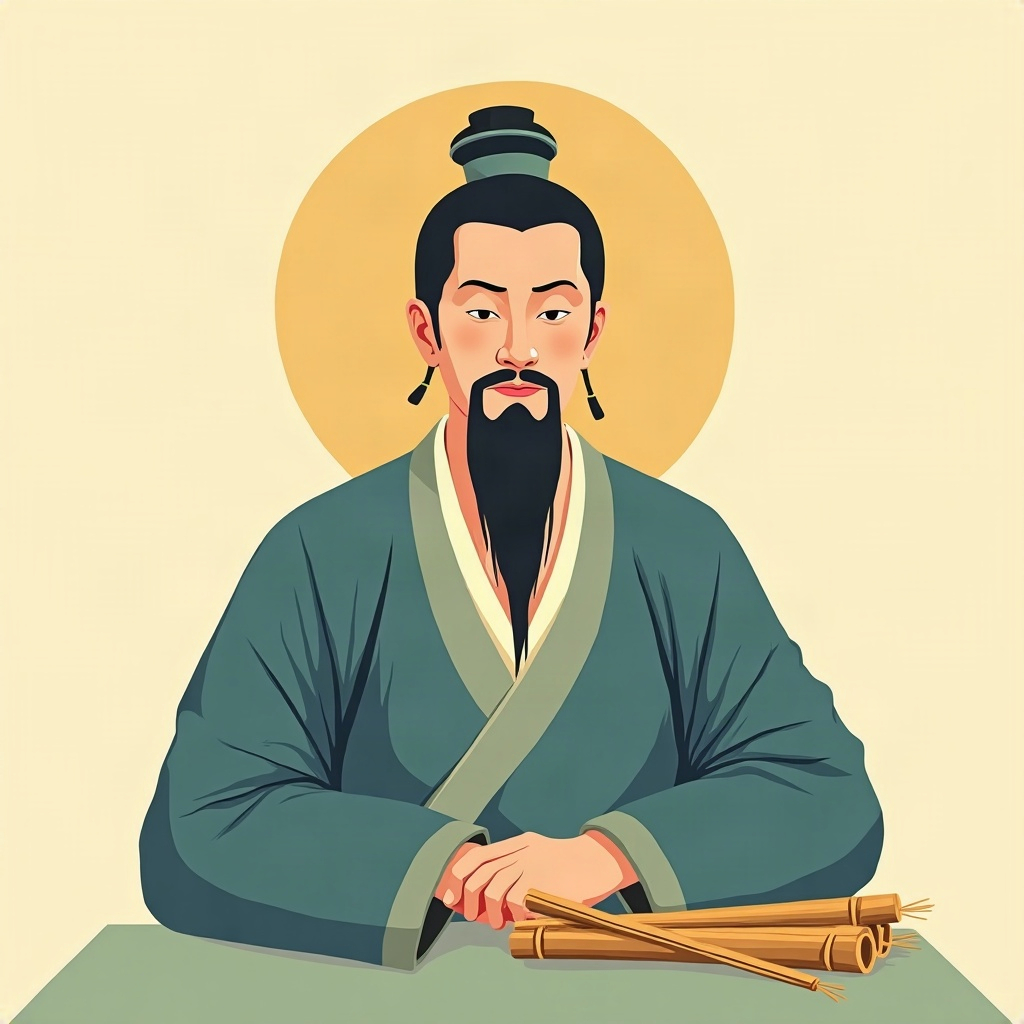
Mencius taught that human nature is good. Everyone has four "sprouts": compassion, shame, courtesy, and a sense of right and wrong. A sprout is not a tree yet. It needs care to grow. In the story, King Xuan has the first sprout, compassion. He felt it for the ox. The problem is not a missing heart. The problem is that he has not stretched the feeling to his people. Mencius also asked a "what if" question about a child near a well. We feel pity before we think about reward. This is a thought experiment, not a real accident. The ox story is told in the book Mencius, Book 1A, section 7. It is written as a dialogue, not a transcript. The well example is in Book 2A, section 6. Be careful: "you are born good" should never be used to shame someone who is struggling. A sprout needs care and time.
맹자는 인간의 본성이 선하다고 가르쳤어요. 누구에게나 네 가지 "싹"이 있어요. 측은한 마음, 부끄러운 마음, 사양하는 마음, 옳고 그름을 가리는 마음이에요. 싹은 아직 나무가 아니에요. 자라려면 돌봄이 필요해요. 이야기에서 선왕은 첫 번째 싹인 측은지심을 가지고 있어요. 소에게 그 마음을 느꼈어요. 문제는 마음이 없는 것이 아니에요. 그 마음을 백성에게까지 넓히지 않은 것이 문제예요. 맹자는 우물 가까이 있는 아이에 대해서도 "만약에" 질문을 했어요. 우리는 보상을 생각하기 전에 먼저 연민을 느껴요. 이것은 사고 실험이지, 실제로 일어난 사고가 아니에요. 소 이야기는 《맹자》 양혜왕 상편 7장에 나와요. 대화 형식으로 쓴 글이지, 기록한 그대로가 아니에요. 우물의 예는 공손추 상편 6장에 있어요. 조심하세요. "너는 선하게 태어났다"는 말로 힘들어하는 사람을 부끄럽게 만들면 안 돼요. 싹에는 돌봄과 시간이 필요해요.
📚 Grammar focus
Second conditional
✏️ Try it
Complete these second conditional sentences. 1. If I _______ (be) a king, I _______ (help) hungry people first. 2. If you _______ (see) a child near a well, what _______ you _______ (do)? 3. If the king _______ (not / feel) pity, he _______ (not / save) the ox. Bonus: Write one "If I were ..." sentence about something kind you would do.
전체 레슨을 보고 싶으세요?
Want the full lesson?
회화 연습, 역할극, 문법, 그리고 진짜 선생님이 안에 있어요.
Conversation practice, roleplay, grammar, and a real tutor are inside.