Eureka! · No. 30
Dare to Think for Yourself
스스로 생각할 용기를 내세요
Immanuel Kant · 이마누엘 칸트 — Königsberg, Prussia, 1784 CE
💡 The Idea
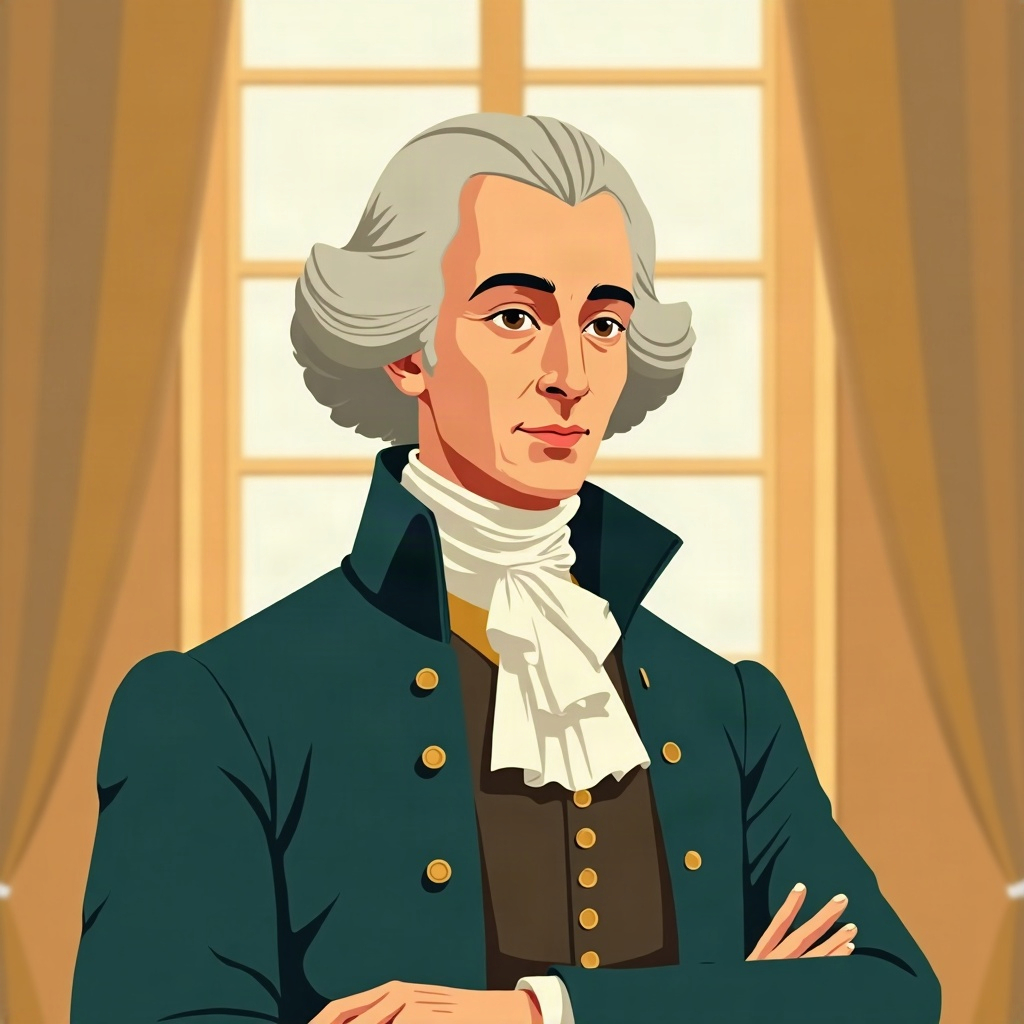
Immanuel Kant (1724-1804) lived in Königsberg, in Prussia (today the city of Kaliningrad in Russia). He taught at the university there and became one of the most important thinkers in Europe. Kant did not belong to a single school. He wanted to answer both the Rationalists, who trust reason, and the Empiricists, who trust experience. For him, reason is the tool people must use to examine their own beliefs. In 1784 he wrote a short essay answering the question "What is Enlightenment?" His answer: Enlightenment is a person's way out of self-caused immaturity. Immaturity means you cannot use your own understanding without another person's guidance. It is self-caused when the reason is not a lack of intelligence but a lack of courage and the habit of letting others think for you. He called "Sapere aude! Have courage to use your own understanding!" the motto of enlightenment. Horace used the Latin words in a different sense. The idea is not "never trust anyone." The idea is that the final decision should be yours, and that you should be ready to give reasons for it. About the sources: the essay, its date (December 1784), the magazine (Berlinische Monatsschrift) and the motto are well documented. The English wording of the motto is one common translation; others say "dare to use your own reason". The conversation with Anna is an invented scene to teach the idea, and Anna is not a real person. The old story that people in Königsberg set their clocks by his daily walk is only a tradition, so this unit does not use it. Kant also wrote about moral duty, including the idea that you should act only on a rule you could want everyone to follow. That is a big topic for another day.
이마누엘 칸트(1724~1804)는 프로이센의 쾨니히스베르크(오늘날 러시아의 칼리닌그라드)에서 살았어요. 그는 그곳 대학교에서 가르쳤고 유럽에서 가장 중요한 사상가 중 한 사람이 되었어요. 칸트는 한 학파에만 속하지 않았어요. 그는 이성을 믿는 합리론자와 경험을 믿는 경험론자 모두에게 답하려고 했어요. 칸트에게 이성은 사람이 자기 믿음을 검토할 때 써야 하는 도구예요. 1784년에 그는 "계몽이란 무엇인가?"라는 질문에 답하는 짧은 에세이를 썼어요. 그의 답은 이래요. 계몽은 스스로 만든 미성숙에서 벗어나는 길이에요. 미성숙이란 다른 사람의 안내 없이는 자기 이해력을 쓰지 못하는 상태예요. 이유가 지능이 낮아서가 아니라 용기가 부족하고 남이 대신 생각하게 두는 습관 때문이라면, 그 미성숙은 스스로 만든 것이에요. 그는 "Sapere aude! 자기 자신의 이해력을 쓰는 용기를 가지세요!"를 계몽의 좌우명이라고 불렀어요. 호라티우스는 이 라틴어 표현을 다른 뜻으로 썼어요. 이 생각은 '아무도 믿지 말라'는 뜻이 아니에요. 마지막 판단은 내가 해야 하고, 그 판단의 이유를 말할 준비가 되어 있어야 한다는 뜻이에요. 출처에 대해: 이 에세이와 발표 시기(1784년 12월), 잡지(《베를린 월보》), 좌우명은 기록이 분명해요. 영어 표현은 흔히 쓰이는 번역 중 하나예요. 다른 번역은 "자기 이성을 쓸 용기를 내라"로 옮기기도 해요. 안나와의 대화는 이 생각을 가르치려고 지어낸 장면이고, 안나는 실제 인물이 아니에요. 쾨니히스베르크 사람들이 칸트의 매일 산책에 맞춰 시계를 맞췄다는 옛이야기는 전해 내려오는 이야기일 뿐이라서 이 단원에서는 쓰지 않았어요. 칸트는 도덕적 의무에 대해서도 썼어요. 모든 사람이 따르기를 바랄 수 있는 규칙대로만 행동해야 한다는 생각도 그중 하나예요. 그것은 다음에 다룰 큰 주제예요.
📚 Grammar focus
Modals of obligation (must / should / have to)
✏️ Try it
Choose the best word: must, mustn't, should, have to / has to, don't have to. 1. In class, you _______ shout at your teacher. (It is not allowed.) 2. Anna's school starts at 8:00, so she _______ get up early. (a school rule) 3. You _______ be a genius to think for yourself. (It is not necessary.) 4. When you hear a new idea, you _______ ask "Why?" (Kant's advice.) 5. My friend says I _______ follow the crowd. (The crowd's rule.) Bonus: Write two sentences about your own life. Use "must not" in one and "don't have to" in the other.
전체 레슨을 보고 싶으세요?
Want the full lesson?
회화 연습, 역할극, 문법, 그리고 진짜 선생님이 안에 있어요.
Conversation practice, roleplay, grammar, and a real tutor are inside.