Eureka! · No. 64
Bread, Friends and a Calm Mind
빵 한 조각, 친구들, 그리고 평온한 마음
Epicurus · 에피쿠로스 — Athens, c. 306 BCE
💡 The Idea
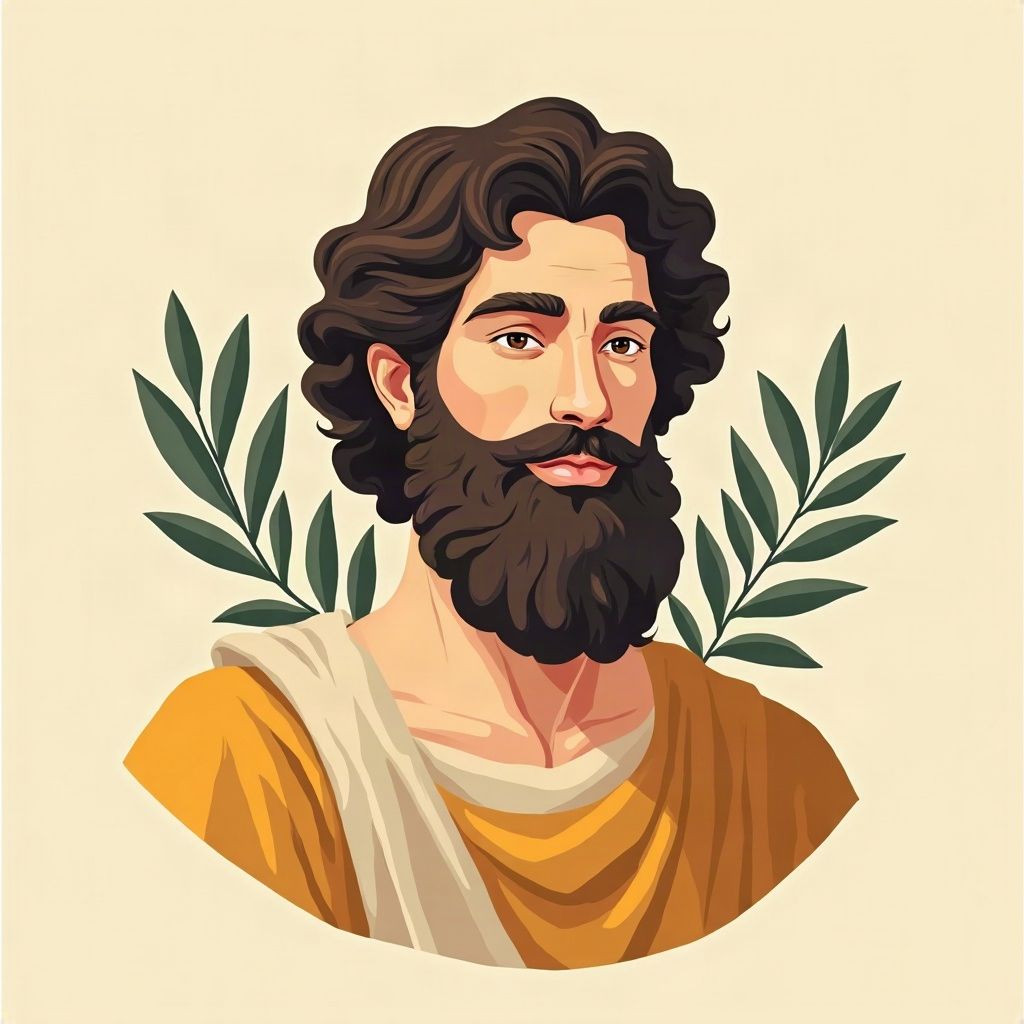
Epicurus (341-270 BCE) was a Greek philosopher. According to the ancient biographer Diogenes Laertius (Book 10), he was born in 341 BCE and died about seventy years later in Athens. He taught first in Mytilene and Lampsacus. Around 306 BCE he settled in Athens and bought a garden. The school there was called the Garden. His friends came from many places and lived there in a simple way. Epicurus said that the goal of life is happiness, and that happiness comes from pleasure. But his idea of pleasure is not the one many people imagine. In his Letter to Menoeceus he says that he does not mean "the pleasures of the debauched man". He means "the freedom of the body from pain, and of the soul from confusion" (Yonge's translation of Diogenes Laertius). The Greek word for a mind that is not disturbed is ataraxia. This word is not in the translation of the Letter that we use here, but modern encyclopedias use it for his goal. Epicurus thought that we get there by choosing carefully: if we want too much, we feel pain; if we accept simple things, we are free from many worries. He said that fear is the main enemy of a calm mind. About death he wrote that it is "nothing to us", because when we exist, death is not present, and when death is present, we do not exist. He also said that the common stories about angry gods are false opinions. He thought that friendship is a great help: in the Sayings that Diogenes Laertius saved, friendship is called the most important of all the things wisdom gives for a happy life. A common myth says that Epicurus taught people to eat, drink and enjoy themselves without limit. This is not what his own writings say. Diogenes Laertius records that enemies such as the Stoic Diotimus spread slanders, but he adds that witnesses described Epicurus as a very kind man. The ancient biographer also says that Epicurus lived on water and plain bread. We cannot check every anecdote, so the story labels what "the ancient biographer says". About the sources: all quotations come from Diogenes Laertius, Lives of Eminent Philosophers, Book 10 (the public-domain translation of C. D. Yonge on Project Gutenberg). The dates of his birth and his move to Athens come from Diogenes and the Stanford Encyclopedia of Philosophy, which gives 307/306 BCE for his return to Athens, so "c. 306 BCE" is approximate. The Visitor and the dialogue are imagined, and Epicurus's lines are paraphrases. The Garden's early life, the cheese letter and his last days come from the ancient biographer and may be exaggerated.
에피쿠로스(기원전 341~270년)는 그리스의 철학자예요. 고대 전기 작가 디오게네스 라에르티오스(제10권)에 따르면 그는 기원전 341년에 태어나 약 일흔 해를 살고 아테네에서 세상을 떠났어요. 그는 처음에 미틸레네와 람프사코스에서 가르쳤어요. 기원전 306년경에 아테네에 자리를 잡고 정원을 샀어요. 그곳의 학교는 '정원'이라고 불렸어요. 그의 친구들은 여러 곳에서 찾아와 그곳에서 소박하게 함께 살았어요. 에피쿠로스는 삶의 목표가 행복이고, 행복은 쾌락에서 온다고 말했어요. 하지만 그가 말한 쾌락은 많은 사람이 떠올리는 쾌락이 아니에요. 「메노이케우스에게 보낸 편지」에서 그는 자기가 말하는 쾌락이 "방탕한 사람의 쾌락"이 아니라고 해요. 그가 말하는 쾌락은 "몸의 고통 없음과 영혼의 혼란 없음"이에요(디오게네스 라에르티오스를 옮긴 영의 번역). 흔들리지 않는 마음을 가리키는 그리스어가 아타락시아예요. 이 단어는 여기서 쓴 편지 번역문에는 나오지 않지만, 현대 백과사전들은 그의 목표를 가리킬 때 이 말을 써요. 에피쿠로스는 신중하게 선택해야 거기에 이를 수 있다고 생각했어요. 너무 많이 원하면 괴롭고, 소박한 것을 받아들이면 많은 걱정에서 자유로워진다는 거예요. 그는 두려움이 평온한 마음의 가장 큰 적이라고 했어요. 죽음에 대해서는 우리에게 "아무것도 아니다"라고 썼어요. 우리가 존재할 때 죽음은 없고, 죽음이 있을 때 우리는 존재하지 않기 때문이에요. 또 화난 신들에 대한 흔한 이야기는 잘못된 생각이라고 했어요. 그는 우정이 큰 도움이 된다고 생각했어요. 디오게네스 라에르티오스가 전한 격언들에서 우정은 지혜가 행복한 삶을 위해 주는 모든 것 가운데 가장 중요한 것이라고 불려요. 흔한 오해 중에는 에피쿠로스가 사람들에게 끝없이 먹고 마시고 즐기라고 가르쳤다는 이야기가 있어요. 그의 글에는 그런 내용이 없어요. 디오게네스 라에르티오스는 스토아 철학자 디오티모스 같은 적들이 헐뜯는 말을 퍼뜨렸다고 기록하면서도, 증인들이 에피쿠로스를 아주 친절한 사람이라고 말했다고 덧붙여요. 고대 전기 작가는 또 에피쿠로스가 물과 평범한 빵으로 살았다고 말해요. 모든 일화를 확인할 수는 없기 때문에, 이 이야기에서는 '고대 전기 작가가 말하는 것'이라고 표시했어요. 출처에 대해: 모든 인용문은 디오게네스 라에르티오스의 《저명한 철학자들의 생애》 제10권에서 가져왔고, 프로젝트 구텐베르크에 있는 영(C. D. Yonge)의 공개 번역을 썼어요. 그의 출생 연도와 아테네로 돌아온 시기는 디오게네스와 스탠퍼드 철학 백과사전에서 가져왔어요. 백과사전은 아테네로 돌아온 해를 기원전 307/306년이라고 하므로 '기원전 306년경'은 대략적인 값이에요. 방문객과 대화는 꾸며 낸 것이고, 에피쿠로스의 대사는 쉽게 풀어 쓴 거예요. 정원의 초기 생활, 치즈 편지, 마지막 나날은 고대 전기 작가에게서 온 것이라 과장되었을 수 있어요.
📚 Grammar focus
Zero conditional (if + present, present)
✏️ Try it
Complete each zero conditional sentence. Use the present simple of the verb in brackets. 1. If you _______ (be) hungry, plain bread _______ (taste) wonderful. 2. If a person _______ (drink) all night, he _______ (feel) sick in the morning. 3. If we _______ (fear) death, we _______ (not / feel) calm. 4. If you _______ (have) true friends, you _______ (feel) safe. 5. Your mind _______ (be) calm if you _______ (feel) safe. Bonus: Write two zero conditional sentences about yourself. Use "If I am tired, I ..." and "If I have good friends, I ...".
전체 레슨을 보고 싶으세요?
Want the full lesson?
회화 연습, 역할극, 문법, 그리고 진짜 선생님이 안에 있어요.
Conversation practice, roleplay, grammar, and a real tutor are inside.