Eureka! · No. 73
Practice Is Already Awakening
수행이 곧 깨달음이다
Eihei Dogen · 도겐 — Japan and Song China, 1225
💡 The Idea
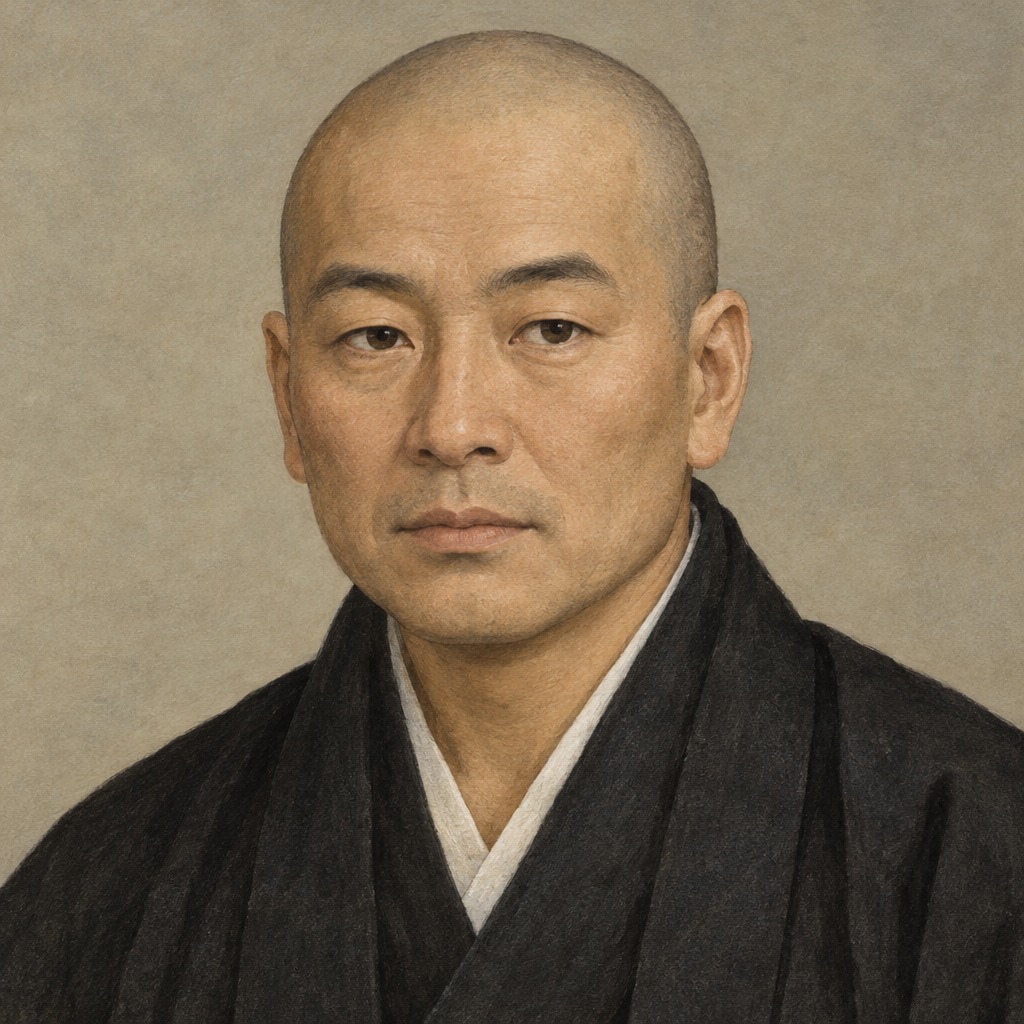
Dogen (1200-1253) was a Japanese Buddhist monk. He is known as the founder of the Soto school of Zen in Japan. In 1223 he went to Song China, and he studied with a Chan teacher named Rujing at Mount Tiantong. Many accounts place his awakening in 1225. He is also called Eihei Dogen, after Eihei-ji temple. His main idea is that practice and awakening are one. The Japanese name is shusho-itto. Many people think we practice first and get awakening later, like a student who studies first and gets a prize later. Dogen said no. In his book Bendowa (about 1231), one English translation says "practice and verification are the same". For Dogen the main practice is zazen, sitting meditation, especially "just sitting" (shikantaza). The Stanford Encyclopedia of Philosophy says this means meditation without ego-concern or desire, so that the practice stays pure. The phrase "dropping off body and mind" (shinjin datsuraku) names his own awakening. The Stanford Encyclopedia says it points to an experience where the split between mind and body, between "I" and others, and between "I" and nature has disappeared. About the sources: the account of his awakening comes from texts linked to Dogen and his school, written later. Historians handle some details with care, so we say "texts say" and not "we know". The dialogue between Dogen, Rujing and the Fellow Monk is imagined, and we give Rujing no exact quotes. The dates come from Wikipedia and the Stanford Encyclopedia: China 1223, Rujing 1225, return 1227 or 1228, death 1253. Sources differ a little: the Stanford Encyclopedia gives 1200-54. Also, one summary says Dogen "decided to visit" Rujing in 1225, though he had reached China in 1223.
도겐(1200~1253)은 일본의 불교 승려예요. 일본 선종 가운데 조동종의 창시자로 알려져 있어요. 1223년에 송나라로 건너가 천동산에서 여정이라는 선사에게 배웠어요. 많은 기록은 그의 깨달음을 1225년으로 잡아요. 그는 '에이헤이지' 절의 이름을 따서 에이헤이 도겐이라고도 불려요. 그의 중심 생각은 수행과 깨달음이 하나라는 것이에요. 일본어로는 '수증일여'(shusho-itto)라고 해요. 많은 사람은 먼저 수행하고 나중에 깨달음을 얻는다고 생각해요. 공부를 먼저 하고 상은 나중에 받는 학생처럼요. 도겐은 그렇지 않다고 했어요. 그의 책 『변도화』(1231년경)는, 한 영어 번역에 따르면 "수행과 증득은 같다"고 말해요. 도겐에게 가장 중요한 수행은 좌선, 곧 앉아서 하는 명상이에요. 특히 '지관타좌', 곧 "그저 앉기"예요. 스탠퍼드 철학 백과사전은 이것이 자아의 관심이나 욕망 없이 하는 명상이어서 수행이 깨끗하게 남는다는 뜻이라고 설명해요. '신심탈락', 곧 "몸과 마음을 떨쳐 버림"은 그 자신의 깨달음을 가리키는 말이에요. 스탠퍼드 백과사전에 따르면 이 말은 마음과 몸, 나와 남, 나와 자연 사이의 구분이 사라진 경험을 가리켜요. 출처에 대해: 깨달음 이야기는 도겐과 그의 종파와 관련된, 나중에 쓰인 문헌에서 와요. 역사학자들은 일부 세부 내용을 조심스럽게 다뤄요. 그래서 "알고 있다"가 아니라 "문헌이 말한다"고 써요. 도겐, 여정, 도반 승려의 대화는 상상한 것이고, 여정의 말을 정확히 인용하지 않았어요. 연도는 위키백과와 스탠퍼드 백과사전에서 가져왔어요. 1223년 중국행, 1225년 여정과의 만남, 1227년 또는 1228년 귀국, 1253년 입적이에요. 자료마다 조금 달라요. 스탠퍼드 백과사전은 1200~54년이라고 해요. 또 한 정리는 도겐이 1225년에 여정을 "찾아가기로 했다"고 하는데, 그는 1223년에 이미 중국에 도착해 있었어요.
📚 Grammar focus
Past perfect (had + past participle)
✏️ Try it
Complete each sentence with the past perfect (had + past participle) of the verb in brackets. 1. By 1225, Dogen _______ (cross) the sea to China. 2. He _______ (not / find) an answer to his big question before he met Rujing. 3. Before he went home, he _______ (study) at Mount Tiantong. 4. Many monks _______ (tell) the others about Rujing. 5. When Dogen came back to Kennin-ji, he _______ (train) there before. Bonus: Write two sentences about your life. Use "Before I started this lesson, I had..." and "I had already... when...".
전체 레슨을 보고 싶으세요?
Want the full lesson?
회화 연습, 역할극, 문법, 그리고 진짜 선생님이 안에 있어요.
Conversation practice, roleplay, grammar, and a real tutor are inside.