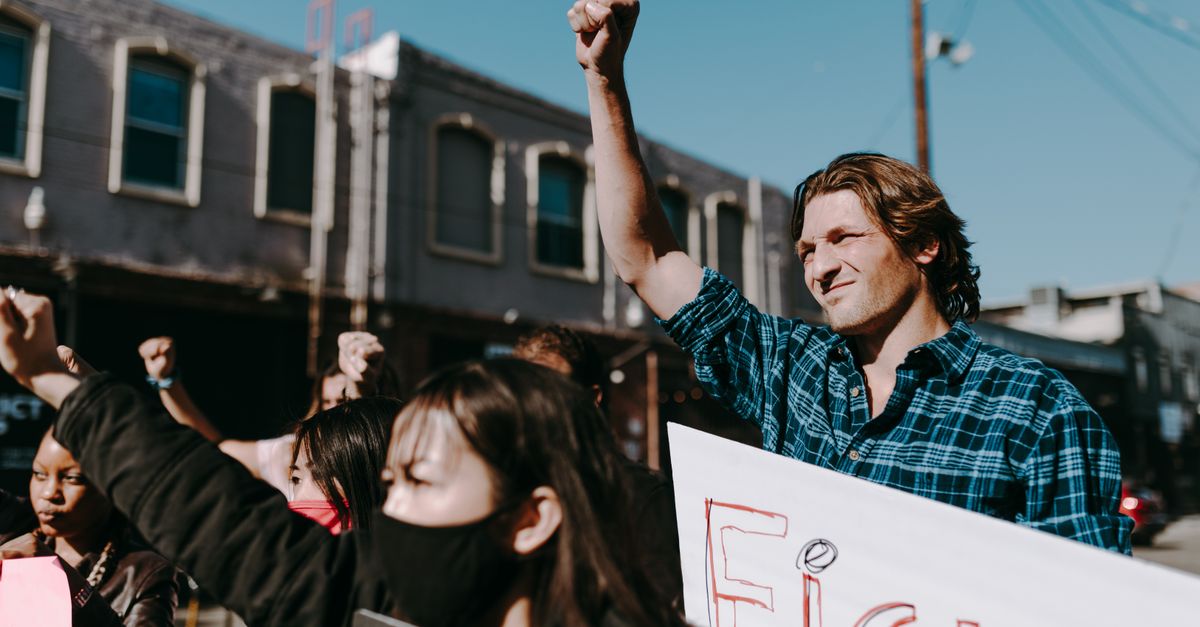
File photo — not from this news story. · See the original story's photos → · Photo: RDNE Stock project / Pexels
📰 Daily News
Youth protests weaken Modi's grip on power, activist says
AI가 레벨별로 작성한 세계 뉴스 · World news, written by AI at each level
When does a young person's anger become real power? India may have just answered that question.
Recently, India witnessed one of its largest public challenges to the government in many years. Young people gathered in the streets to voice their concerns about the country's direction. The movement became so big and so visible that even the prime minister's position seemed to shift. One activist who participated in the movement—by refusing food for weeks—told reporters that young Indians had genuinely weakened the government's hold on power.
This kind of public dissent is significant in any country, but it matters especially in India, where the prime minister has held tremendous authority. For years, his government has faced criticism, yet large, united opposition has been rare. Now, something has changed. Young people, often dismissed as too busy with phones and jobs to care about politics, organized and showed up. They made noise. They made themselves impossible to ignore.
The activist explained that when millions of young citizens stand together with a clear message, leaders must listen. The hunger strike itself became a powerful symbol. By refusing to eat, the activist communicated how serious the cause was. It was not a casual complaint—it was a genuine sacrifice. This kind of commitment catches attention in ways regular protests sometimes do not.
What made this moment different? Several things worked together. First, the issues mattered to young people directly: jobs, education, and opportunity. Second, social media allowed people to organize quickly and spread their message far. Third, and perhaps most important, the young protesters refused to go away quietly. They were persistent. Day after day, week after week, they remained visible and vocal.
The movement also showed something deeper about India's democracy. Even when a government holds great power, citizens still possess the right to challenge it. That right can be real and effective. Young people used it. They learned that their numbers matter, that their voices matter, and that change is possible when people organize together.
As India moves forward, this moment may reshape how politics works in the country. Will young people stay engaged? Will they continue to organize around issues that affect their lives? Or will the energy fade once the immediate moment passes? These are questions worth watching.
Inspired by reporting from BBC News.
📚 Vocabulary
dissent
disagreement with or opposition to an official decision or policy
공식 결정이나 정책에 대한 불동의 또는 반대
persist
to continue firmly or stubbornly in an action or belief despite difficulty
어려움에도 불구하고 행동이나 신념을 계속 유지하다
vocal
expressing opinions or feelings loudly and clearly; outspoken
의견이나 감정을 크고 명확하게 표현하는; 솔직한
momentum
the force or energy that a moving thing has; the strength to continue or grow
움직이는 물체가 가진 힘이나 에너지; 계속되거나 증가할 힘
authority
the power or right to give orders and make decisions; official control
명령을 내리고 결정을 내릴 권력이나 권리; 공식적 통제
engage
to participate or become involved in something; to attract and hold someone's attention
무언가에 참여하거나 관여하다; 누군가의 관심을 끌고 유지하다
symbol
a thing that represents or stands for something else, often an idea or quality
다른 것, 특히 생각이나 품질을 나타내거나 대표하는 것
weaken
to make or become less strong, powerful, or certain
더 약하거나, 강력하지 않거나, 확실하지 않게 만들다; 약해지다
Your next step
Step 1 · Free level test
Find your English level in about 12 minutes — free, no signup required.
Take the level test →
Step 2 · Free 30-minute class
Try one real class with Uncle J, free.
Book my free class →
Step 3 · Sign up free to get started ↓
전체 레슨을 보고 싶으세요?
Want the full lesson?
회화 연습, 역할극, 문법, 그리고 진짜 선생님이 안에 있어요.
Conversation practice, roleplay, grammar, and a real tutor are inside.