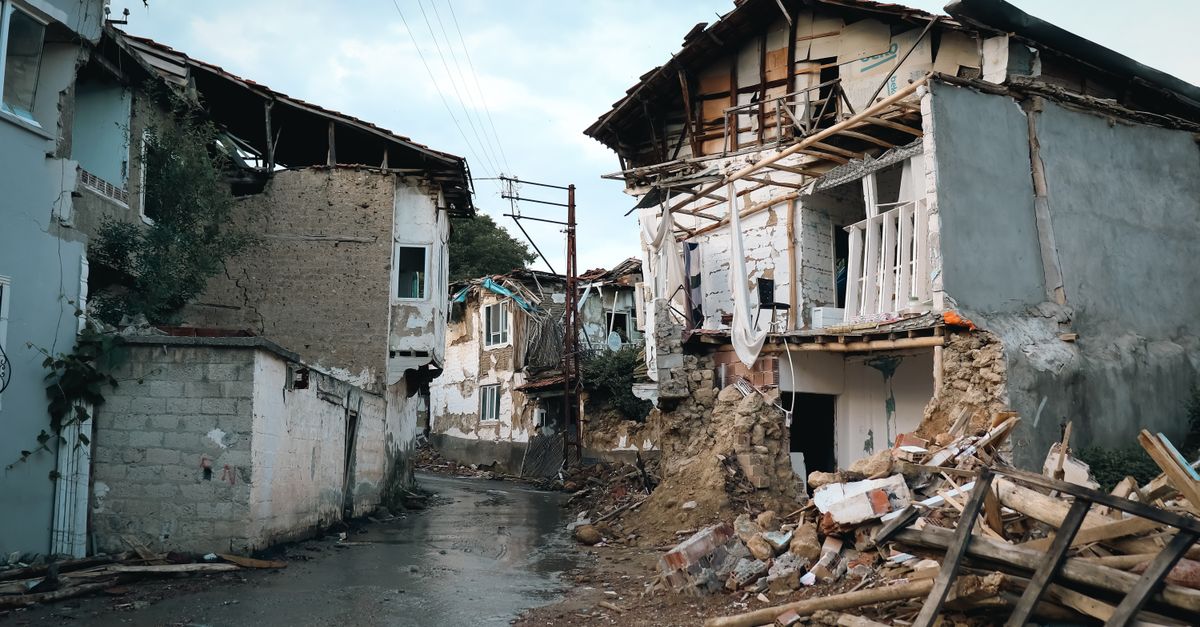
자료사진(기사 내용과 무관) · 원본 기사 사진 보기 → · Photo: Serkan Gönültaş / Pexels
📰 Daily News
일본 남서부 규모 7.1 지진으로 광범위한 피해
Magnitude 7.1 earthquake devastates southwestern Japan
AI가 레벨별로 작성한 세계 뉴스 · World news, written by AI at each level
Imagine you are having a normal day at work, and suddenly the ground starts moving beneath your feet. For people in southwestern Japan, this became a real and frightening experience when a powerful earthquake struck their region.
On a recent day, a magnitude 7.1 earthquake hit the area with tremendous force. To understand how strong this was, imagine a shaking so powerful that it can damage well-built houses and crack roads. This is not a small tremor—this is serious ground movement that affects millions of people.
When an earthquake this strong occurs, the damage spreads quickly across a wide area. Buildings that seemed safe began to show cracks. Some structures collapsed partially or fully. Families had to leave their homes, not knowing when they could return. Roads became broken and unsafe for driving. Hospitals and emergency services faced enormous pressure as injured people arrived for help.
One particularly concerning incident happened at a shopping mall in Kumamoto. The powerful shaking triggered an explosion inside the building. This kind of secondary disaster—a fire or blast that happens because of the earthquake—can be even more dangerous than the initial tremor. When explosions occur in crowded public places, the situation becomes critical very quickly.
Beyond the visible damage to buildings, earthquakes create invisible hardship too. Power lines went down across the region, leaving hundreds of thousands of people without electricity. Without power, refrigerators stop working, hospitals cannot operate normally, and people cannot charge their phones to call family members. Water systems also failed, making it impossible for people to drink clean water or wash themselves. Imagine trying to survive without these basic services—this is what many residents faced.
The earthquake also disrupted transportation networks. Train services stopped, roads were blocked by fallen debris, and airports reduced their operations. This made it extremely difficult for rescue workers to reach people in need and for families to escape the affected zone.
What struck many observers was how quickly communities had to adapt to crisis. Emergency shelters opened in schools and public buildings. Volunteers organized to distribute water and food. Neighbors helped neighbors clear rubble and search for missing people. These human responses show that while earthquakes are powerful natural forces, human resilience and cooperation can be equally powerful.
The recovery from an earthquake of this magnitude takes months or even years. Rebuilding homes, repairing infrastructure, and helping people process the trauma requires sustained effort and resources. Engineers will study the damage to improve building codes. Scientists will analyze the earthquake to better understand Japan's complex seismic activity.
Japan sits on the Pacific Ring of Fire, a region where earthquakes happen frequently. Japanese people have developed sophisticated early-warning systems and strict building standards designed to save lives. Still, a 7.1 magnitude earthquake reminds everyone that nature's power is real and unpredictable.
Have you ever experienced an earthquake, even a small one? What surprised you most about how strong the earth can shake?
Inspired by reporting from BBC News.
📚 어휘
magnitude
the size or strength of an earthquake, measured on a numerical scale
지진의 크기 또는 강도를 측정하는 숫자 단위
tremor
a slight shaking movement of the ground caused by an earthquake
지진으로 인한 땅의 약한 흔들림
infrastructure
the basic systems and facilities that a city or region needs to function, such as roads, electricity, and water systems
도시나 지역이 기능하기 위해 필요한 기본 시스템과 시설, 예를 들어 도로, 전기, 수도
secondary disaster
a dangerous event that happens as a result of the first disaster, such as a fire or explosion after an earthquake
첫 번째 재해의 결과로 발생하는 위험한 사건, 예를 들어 지진 후의 화재나 폭발
resilience
the ability to recover quickly from difficulties or to adapt to hard situations
어려움에서 빠르게 회복하거나 힘든 상황에 적응하는 능력
seismic
relating to earthquakes or the movement and structure of the earth's crust
지진이나 지각의 이동 및 구조와 관련된
disrupt
to stop something from continuing or working normally; to cause confusion or problems
무언가가 계속되거나 정상적으로 작동하는 것을 막다; 혼란이나 문제를 일으키다
Ring of Fire
a large horseshoe-shaped region around the Pacific Ocean where most of the world's earthquakes and volcanic eruptions occur
태평양 주변의 말굽 모양의 지역으로, 세계 대부분의 지진과 화산 폭발이 발생하는 곳
다음 단계
1단계 · 무료 레벨 테스트
약 12분이면 내 영어 레벨을 확인할 수 있어요 — 무료, 회원가입 없이 가능해요.
레벨 테스트 하러 가기 →
2단계 · 무료 30분 수업
Uncle J와 진짜 수업을 무료로 한 번 체험해보세요.
무료 수업 신청하기 →
3단계 · 무료로 가입하고 시작하세요 ↓
전체 레슨을 보고 싶으세요?
Want the full lesson?
회화 연습, 역할극, 문법, 그리고 진짜 선생님이 안에 있어요.
Conversation practice, roleplay, grammar, and a real tutor are inside.