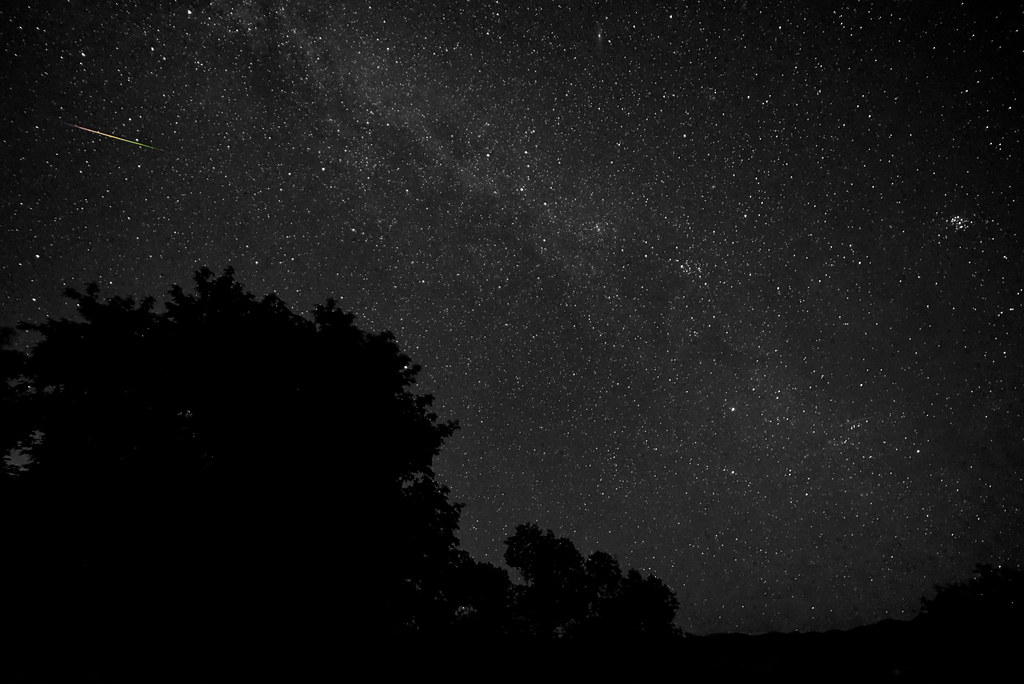
자료사진(기사 내용과 무관) · 원본 기사 사진 보기 → · Photo: theilr / Openverse (BY-SA)
📰 Daily News
8월 밤하늘을 수십 개의 유성이 밝힌다
Dozens of shooting stars light up August skies
AI가 레벨별로 작성한 세계 뉴스 · World news, written by AI at each level
Imagine standing outside on a dark night and suddenly seeing a bright line of light race across the sky. That's a meteor—and in August, you might see dozens of them in just one evening. This amazing event is called the Perseid meteor shower, and it happens every single year at the same time.
So what exactly is a meteor shower? When our planet Earth travels around the sun, it sometimes passes through clouds of cosmic dust. This dust comes from an old comet that broke apart long ago. When the dust enters Earth's atmosphere at very high speed, it burns up from the heat and creates those brilliant streaks of light we call shooting stars. The Perseid shower is famous because it's one of the most active and reliable meteor showers of the entire year.
The best time to watch the Perseids is usually in the middle of August. The peak viewing nights change slightly from year to year, but they typically fall between August 11 and August 13. However, you can often see meteors for a week or two before and after the peak. This means you have many chances to catch the show. The peak hours are usually in the early morning—after midnight but before sunrise. That's when your location on Earth is tilted most directly into the meteor stream.
Here's something wonderful: you don't need a telescope or expensive camera to enjoy the Perseids. Your eyes are perfect. Find a spot away from city lights, where the sky is dark and clear. Bring a blanket or chair, lie back, and let your eyes adjust to the darkness for about twenty or thirty minutes. Then just watch and wait. On a good night, patient observers can see ten to twenty meteors every hour during the peak.
Weather matters, of course. Clouds will block your view, so check the forecast before you head outside. If clouds cover your area, try again the next night. Clear, dry nights are ideal. Also, the moon can brighten the sky and make fainter meteors harder to see. The best viewing happens when the moon is new or invisible.
Many people around the world make watching the Perseids a personal tradition. Families gather together, friends drive out to the countryside, and solo skygazers find their favorite quiet spot. It's a free experience that connects you directly to the universe. You're not just watching a light show—you're witnessing the same phenomenon that humans have observed for thousands of years.
The Perseid meteor shower reminds us how remarkable and beautiful our night sky truly is. Even in our modern, busy world, we can still pause and look up. Even in a single August night, we can see the universe in motion.
Inspired by reporting from BBC News.
📚 어휘
cosmic
relating to space, the universe, or distant stars
우주, 별, 또는 우주 공간과 관련된
meteor
a piece of space rock that enters Earth's atmosphere and burns up, creating a bright light
지구 대기로 진입하여 타서 밝은 빛을 만드는 우주 암석
atmosphere
the layer of air and gases that surrounds Earth
지구를 둘러싼 공기와 가스의 층
peak
the highest point or the best time for an event
가장 높은 지점 또는 행사의 최고 시간
shooting star
a meteor seen as a bright streak of light crossing the night sky
밤하늘을 가로질러 밝은 줄무늬로 보이는 유성
reliable
dependable; able to be trusted to happen or perform well
신뢰할 수 있는; 일어나거나 잘 작동한다고 믿을 수 있는
observe
to watch carefully and notice; to see
주의 깊게 보고 주목하다; 보다
tradition
a custom or belief passed down through families or communities over time
시간에 걸쳐 가족이나 공동체를 통해 전해 내려오는 관습 또는 신념
다음 단계
1단계 · 무료 레벨 테스트
약 12분이면 내 영어 레벨을 확인할 수 있어요 — 무료, 회원가입 없이 가능해요.
레벨 테스트 하러 가기 →
2단계 · 무료 30분 수업
Uncle J와 진짜 수업을 무료로 한 번 체험해보세요.
무료 수업 신청하기 →
3단계 · 무료로 가입하고 시작하세요 ↓
전체 레슨을 보고 싶으세요?
Want the full lesson?
회화 연습, 역할극, 문법, 그리고 진짜 선생님이 안에 있어요.
Conversation practice, roleplay, grammar, and a real tutor are inside.