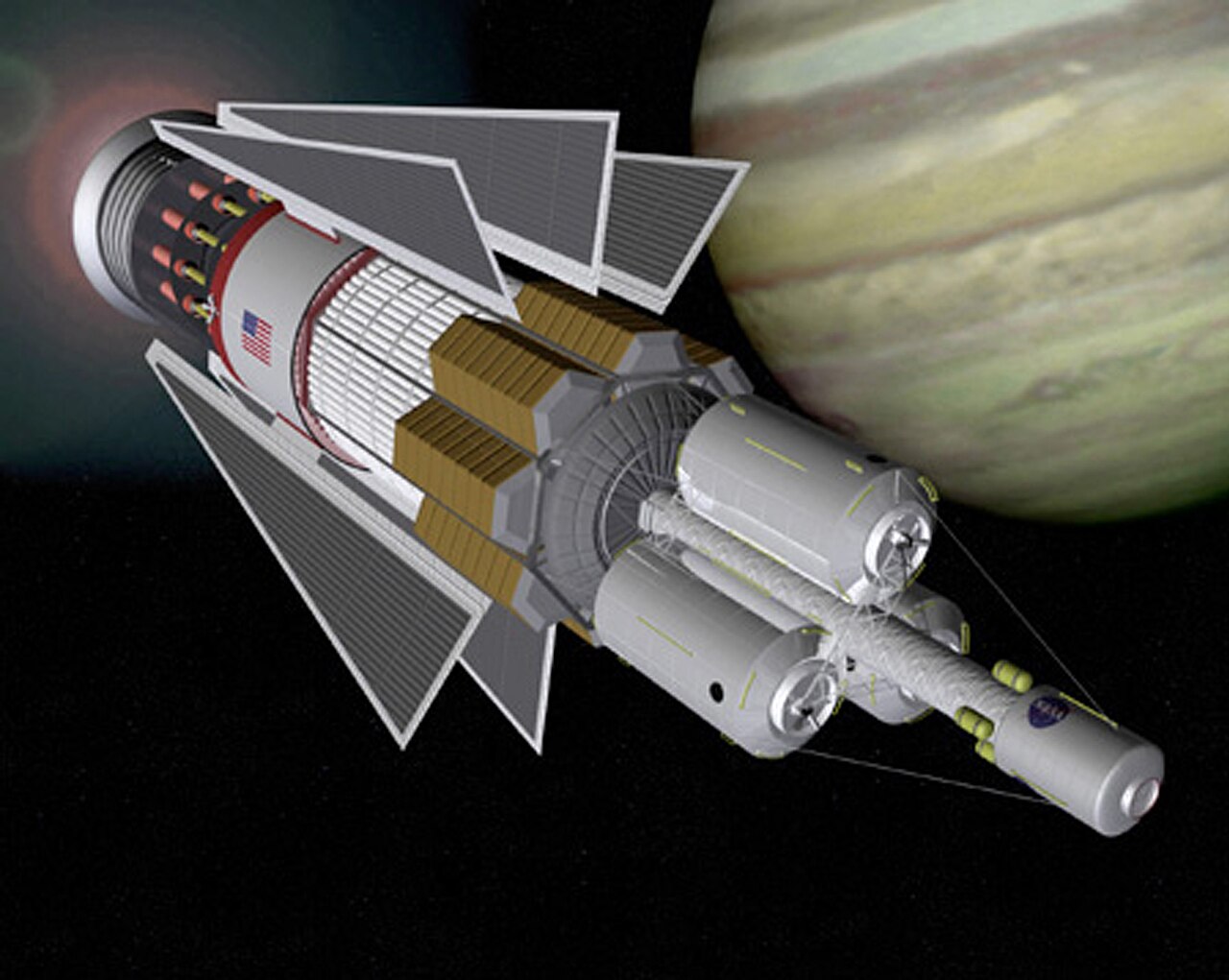
자료사진(기사 내용과 무관) · 원본 기사 사진 보기 → · Photo: NASA / Wikimedia Commons
📰 Daily News
스페이스X 스타십, 지구 궤도 비행 성공
SpaceX's Starship completes first full orbit around Earth
AI가 레벨별로 작성한 세계 뉴스 · World news, written by AI at each level
Imagine watching a building-sized rocket climb to the edge of space. That moment just happened — and it tells us something exciting about humanity's next chapter in space exploration.
SpaceX, the company founded by Elon Musk, recently launched its Starship rocket for the 14th time. This is not a small spacecraft. Starship stands about 120 meters tall — roughly as tall as a 40-story building. On this particular morning, the massive vehicle roared upward from its launch pad in Texas, carrying enormous power and precision.
What made this flight special? The rocket successfully completed an entire orbit around Earth. For engineers and space fans, this represents real progress. An orbit means the spacecraft flew all the way around our planet in space, performing exactly as planned. During this journey, Starship deployed several satellites into their correct positions. These small deployments showed that the vehicle could handle complex tasks, not just fly upward and fall back down.
The mission did not end gently. After completing its orbit, Starship made its dramatic return. The spacecraft accelerated downward through Earth's atmosphere, creating intense heat and a brilliant fiery display visible from far away. This "splashdown" — when the rocket deliberately crash-lands into the ocean — is actually a controlled part of the test design. Each splashdown teaches engineers about how materials survive extreme conditions. Nothing about this failure is accidental; it is carefully measured and analyzed.
Why does this matter to ordinary people? Space rockets like Starship could eventually carry humans to the Moon and Mars. They might also deliver cargo or passengers around Earth much faster than airplanes. Every successful test flight removes uncertainty. Every splashdown adds data that makes the next flight safer and smarter.
The journey from "thunderous liftoff" to "fiery splashdown" might sound like the end of a story. But in space engineering, it is really the middle. Each test builds toward something bigger. Engineers study every second of video, every sensor reading, and every flame. They ask: What worked? What needs improvement? What did we learn?
SpaceX's 14th Starship flight shows a company that is comfortable with ambitious targets and willing to learn from each attempt. That kind of thinking — testing, failing, learning, and trying again — is how humans have always solved hard problems. The next launch will likely push even further. And the one after that will push further still.
Imagined by reporting from BBC News.
📚 어휘
orbit
a circular path that a spacecraft or object travels around a planet or star
우주선이나 물체가 행성이나 별 주위를 도는 원형의 경로
deploy
to position or launch something into operation or into its proper place
어떤 것을 작동 상태로 배치하거나 올바른 위치에 발사하다
splashdown
the controlled landing of a spacecraft in the ocean or water
우주선이 바다나 물에 의도적으로 착수하는 것
precision
the quality of being exact and accurate in detail
세부사항에서 정확하고 꼼꼼한 품질
atmosphere
the layer of air and gases surrounding Earth or another planet
지구 또는 다른 행성을 둘러싼 공기와 가스의 층
ambitious
having or showing a strong desire to succeed; attempting something difficult or impressive
성공하려는 강한 욕망을 가진; 어렵거나 인상적인 것을 시도하는
sensor
a device that detects or measures something and sends information to a recorder or computer
무언가를 감지하거나 측정하고 기록 장치나 컴퓨터로 정보를 보내는 장치
milestone
an important event or success in the development or history of something
무언가의 발전이나 역사에서 중요한 사건이나 성공
다음 단계
1단계 · 무료 레벨 테스트
약 12분이면 내 영어 레벨을 확인할 수 있어요 — 무료, 회원가입 없이 가능해요.
레벨 테스트 하러 가기 →
2단계 · 무료 30분 수업
Uncle J와 진짜 수업을 무료로 한 번 체험해보세요.
무료 수업 신청하기 →
3단계 · 무료로 가입하고 시작하세요 ↓
전체 레슨을 보고 싶으세요?
Want the full lesson?
회화 연습, 역할극, 문법, 그리고 진짜 선생님이 안에 있어요.
Conversation practice, roleplay, grammar, and a real tutor are inside.