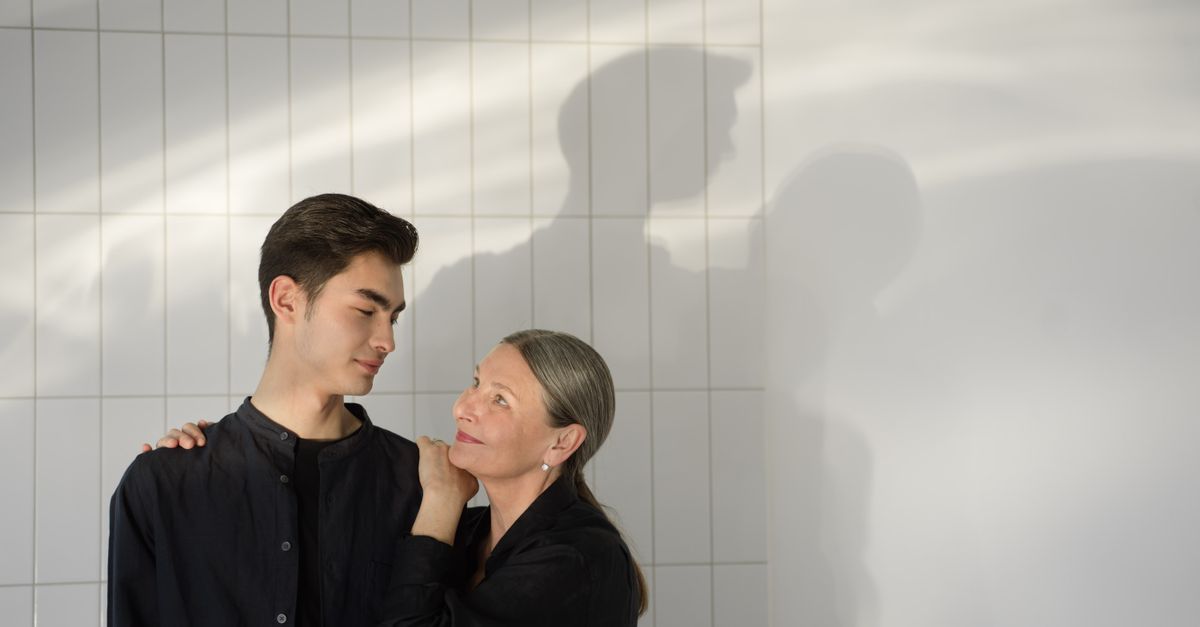
자료사진(기사 내용과 무관) · 원본 기사 사진 보기 → · Photo: Ron Lach / Pexels
📰 Daily News
온라인에서 찾은 새로운 부모: 젊은이들의 새로운 트렌드
Young people are increasingly seeking emotional support from online content creators who act as caring parental figures
AI가 레벨별로 작성한 세계 뉴스 · World news, written by AI at each level
Vincent is a young man who grew up feeling like nothing he did was ever good enough. His parents rarely praised his achievements. They often criticized his choices. He felt alone and discouraged for many years. Then one day, Vincent discovered something online that changed his life.
Vincent found a community of content creators called 'virtual parents.' These are usually middle-aged adults who make videos and stream live content. They speak directly to their audience like caring family members. They offer genuine praise, useful advice, and emotional comfort. Vincent started watching these creators regularly. Slowly, he began to feel better about himself.
This trend has grown quickly across social media platforms. Thousands of young people now follow 'virtual parents' every day. Some viewers see these creators as the supportive family members they never had. Others use them as an additional source of encouragement alongside their real families. The virtual parents typically share life lessons, discuss personal struggles, and celebrate their viewers' successes.
Psychologists have noticed this phenomenon with great interest. Some see it as a positive way for isolated young people to find community and support. Others worry that online relationships might replace face-to-face family connections. They caution that while these creators can be helpful, they cannot replace real human relationships completely. Young people still need genuine, in-person support from people in their lives.
The virtual parents themselves come from different backgrounds. Many began creating content simply to help others feel less alone. They receive thousands of messages daily from grateful viewers. Some creators say they never expected their videos to mean so much to people. The most successful ones build genuine communities where viewers support each other too.
This trend raises important questions about modern family and community. Why do so many young people feel they need this kind of support? What does it tell us about real families and education systems? Some experts believe this growth shows that many young people lack sufficient encouragement at home. Others suggest that social isolation has increased, making people more hungry for connection.
Moving forward, this community will likely continue to expand. However, it is crucial that young people recognize both the value and the limits of these relationships. Virtual parents can inspire and comfort. But genuine family relationships and real friendships remain essential for healthy development.
Inspired by reporting from BBC News.
📚 어휘
virtual
existing or happening on the internet or in a computer; not physically real
인터넷이나 컴퓨터에서 일어나는; 실제로 존재하지 않는
phenomenon
a fact or event that is observed; something that happens and is worth noticing
관찰되는 사실이나 사건; 일어나고 주목할 가치가 있는 것
caution
to warn someone about possible danger or problems
가능한 위험이나 문제에 대해 누군가에게 경고하다
genuine
real; honest; not fake or false
진짜; 진실한; 가짜가 아닌
isolation
the state of being alone or separated from other people
혼자 있거나 다른 사람들로부터 분리된 상태
crucial
extremely important; vital; necessary
매우 중요한; 필수적인
encourage
to give support and confidence to someone; to make someone feel brave enough to do something
누군가에게 지지와 자신감을 주다; 누군가를 용기 내게 하다
caution (noun)
care taken to avoid danger or problems; a warning
위험이나 문제를 피하기 위해 취하는 주의; 경고
다음 단계
1단계 · 무료 레벨 테스트
약 12분이면 내 영어 레벨을 확인할 수 있어요 — 무료, 회원가입 없이 가능해요.
레벨 테스트 하러 가기 →
2단계 · 무료 30분 수업
Uncle J와 진짜 수업을 무료로 한 번 체험해보세요.
무료 수업 신청하기 →
3단계 · 무료로 가입하고 시작하세요 ↓
전체 레슨을 보고 싶으세요?
Want the full lesson?
회화 연습, 역할극, 문법, 그리고 진짜 선생님이 안에 있어요.
Conversation practice, roleplay, grammar, and a real tutor are inside.