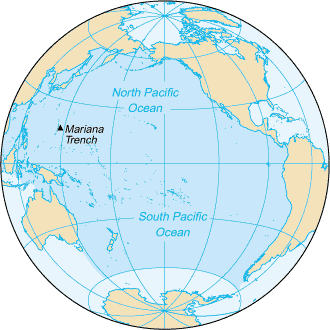
File photo — not from this news story. · See the original story's photos → · Photo: CIA World Factbook / Wikimedia Commons
📰 Daily News
El Niño supercharges typhoons battering East Asia
AI가 레벨별로 작성한 세계 뉴스 · World news, written by AI at each level
When a storm season arrives in East Asia, people there know the drill: secure windows, stock up on food and water, stay inside. But lately, something has shifted. The typhoons coming through are stronger and more frequent than locals remember—even in countries where these massive storms are simply part of the calendar.
What is causing this unusual spike? Scientists point to a climate pattern called El Niño. This warm current moves across the Pacific Ocean every few years and changes weather worldwide. Right now, the ocean is unusually hot, and that extra heat fuels more powerful storms. Think of it like a stove turned up high: more heat means more energy for bad weather to grow.
El Niño does not create typhoons from nothing. Typhoons happen naturally in the western Pacific—they are part of nature's cycle. But when ocean temperatures climb above normal, the storms that form tend to be stronger and spin faster. They carry more rain. They move in unpredictable ways. For communities already used to typhoons, this new intensity brings real danger.
The timing matters, too. El Niño events usually last about a year or two. During that time, the Pacific stays warm, and the pattern of strong storms can repeat many times over. Forecasters are watching closely to see when this event might weaken and return to normal ocean temperatures. Until then, people in the region are bracing for what comes next.
What makes this story interesting is how it connects two big systems: a natural weather cycle happening right now, and the reality that even experienced communities can be caught off guard. Scientists study these patterns so people have time to prepare. When a forecast says a dangerous storm is coming, it means meteorologists spotted the signs early enough to sound the alarm.
For people living through this season, the message is simple: pay attention to warnings, follow emergency plans, and take these storms seriously—even if they happen every year. A stronger typhoon is not something to take lightly, and preparation always pays off.
Inspired by reporting from BBC News.
📚 Vocabulary
typhoon
a very large, powerful tropical storm with strong winds and heavy rain, common in the western Pacific Ocean
태풍
El Niño
a warm ocean current in the Pacific that appears every few years and affects global weather patterns
엘니뇨
intensify
to become stronger or more severe
강화되다, 심해지다
forecast
a prediction about future weather or events, based on data and observation
예보
unpredictable
difficult or impossible to know or guess in advance; surprising and hard to plan for
예측할 수 없는
meteorologist
a scientist who studies weather and the atmosphere
기상학자
pattern
a repeated arrangement or sequence; something that happens regularly in the same way
패턴, 양상
brace for
to prepare yourself for something difficult or dangerous that may happen
대비하다
Your next step
Step 1 · Free level test
Find your English level in about 12 minutes — free, no signup required.
Take the level test →
Step 2 · Free 30-minute class
Try one real class with Uncle J, free.
Book my free class →
Step 3 · Sign up free to get started ↓
전체 레슨을 보고 싶으세요?
Want the full lesson?
회화 연습, 역할극, 문법, 그리고 진짜 선생님이 안에 있어요.
Conversation practice, roleplay, grammar, and a real tutor are inside.