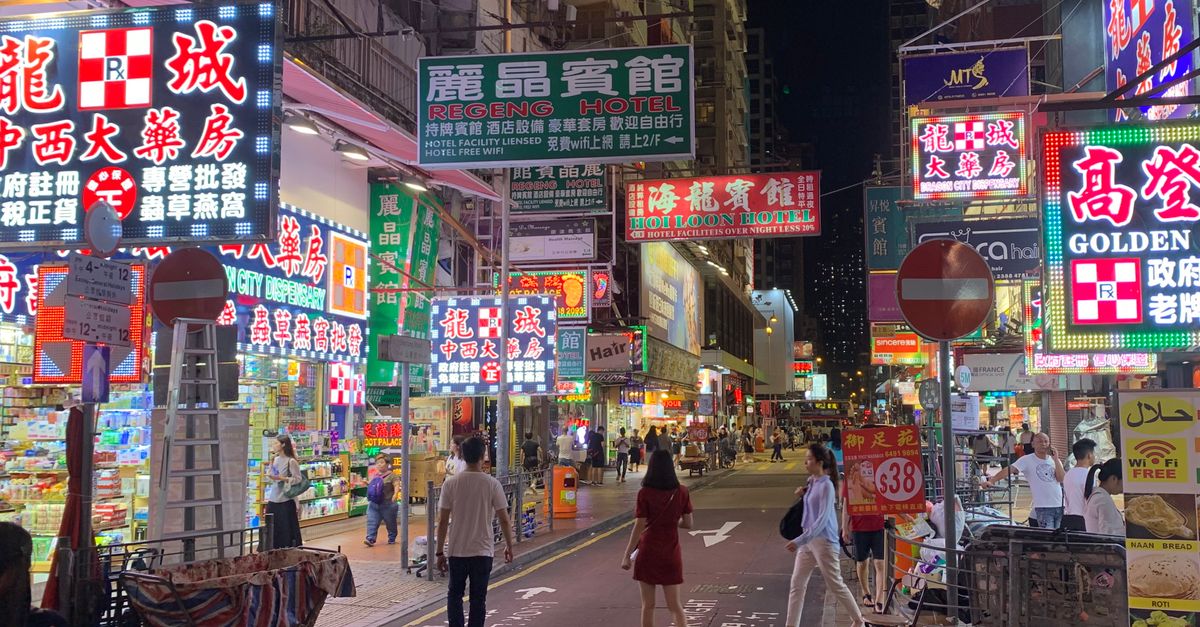
File photo — not from this news story. · See the original story's photos → · Photo: Paloma Lian / Pexels
📰 Daily News
Hong Kong bookshops that freed Chinese readers are now closing
AI가 레벨별로 작성한 세계 뉴스 · World news, written by AI at each level
Imagine walking into a small bookstore and discovering books you never knew existed—stories, histories, and ideas that are simply not available where you live. For many mainland Chinese readers, Hong Kong's independent bookshops offered exactly this feeling. These tiny shops were more than just places to buy books. They were windows into a different world, where readers could explore topics freely, without fear of restriction.
Hong Kong has always been special in this way. Before 2020, the city operated under a unique system that allowed more freedom than mainland China. Publishers and bookstore owners could print and sell books that explored sensitive topics—politics, history, government criticism. Mainland tourists and residents could visit these shops, buy what they wanted, and carry that knowledge back across the border. It felt like a bridge between two very different information worlds.
But the situation has shifted dramatically. In recent years, political pressure on Hong Kong has intensified. New laws and regulations have made it riskier to sell certain books. Some mainland customers now worry about crossing the border with controversial titles. Bookstore owners face pressure from authorities and uncertainty about which books might cause problems. The result is clear: several beloved independent bookstores have announced closures, or stopped ordering books on sensitive topics.
This matters because books are not just entertainment. They shape how we understand the world. When bookstores close, readers lose access to diverse perspectives. The flow of information that once moved freely from Hong Kong to the mainland has begun to slow. For many mainland Chinese readers, it feels like a door is quietly closing.
Yet the story is not entirely dark. Some bookstore owners continue to operate, adapting to new realities. Online communities have emerged where readers discuss banned books. And the historical importance of these shops—as spaces where people dared to think differently—will not be forgotten. The question now is whether readers will find new ways to access the ideas these bookstores once freely shared.
Have you ever discovered a book that changed how you see your country or the world? What role do you think bookstores should play in a society—as businesses, or as something more?
Inspired by reporting from BBC News.
📚 Vocabulary
independent
free from control by others; not owned or run by a large company
다른 사람의 통제를 받지 않는; 큰 회사가 소유하거나 운영하지 않는
restriction
a rule or law that limits what people can do or have
사람들이 할 수 있거나 가질 수 있는 것을 제한하는 규칙이나 법
perspective
a particular way of viewing or understanding something; a point of view
어떤 것을 보거나 이해하는 특정한 방식; 관점
intensify
to become or make stronger, more serious, or more extreme
더 강하거나 심각하거나 극단적으로 되다; 되게 하다
controversy
strong disagreement or argument about a topic that many people have different opinions about
많은 사람들이 다른 의견을 가진 주제에 대한 강한 의견 불일치나 논쟁
adapt
to change or adjust to fit a new situation or environment
새로운 상황이나 환경에 맞게 변하거나 조정하다
emerge
to come into view or become known; to appear or develop
보이거나 알려지다; 나타나거나 발전하다
diverse
showing many different types, ideas, or opinions; varied
많은 다양한 유형, 아이디어, 또는 의견을 보여주는; 다양한
Your next step
Step 1 · Free level test
Find your English level in about 12 minutes — free, no signup required.
Take the level test →
Step 2 · Free 30-minute class
Try one real class with Uncle J, free.
Book my free class →
Step 3 · Sign up free to get started ↓
전체 레슨을 보고 싶으세요?
Want the full lesson?
회화 연습, 역할극, 문법, 그리고 진짜 선생님이 안에 있어요.
Conversation practice, roleplay, grammar, and a real tutor are inside.