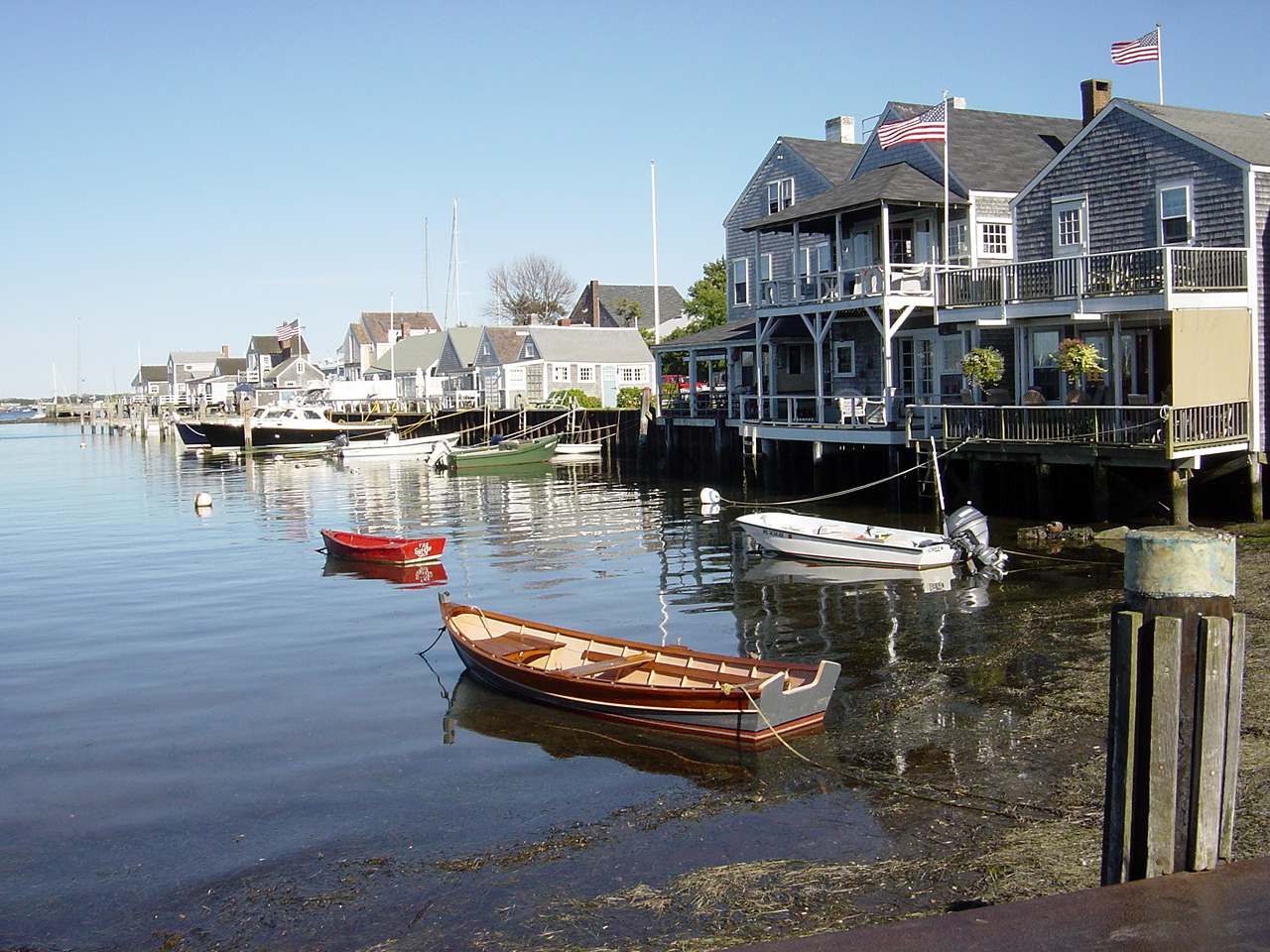
자료사진(기사 내용과 무관) · 원본 기사 사진 보기 → · Photo: The original uploader was Bobak at English Wikipedia. / Wikimedia Commons
📰 Daily News
폭풍이 낸턱 해변에서 1800년대 난파선을 드러내다
Storm uncovers 1800s shipwreck on Nantucket beach
AI가 레벨별로 작성한 세계 뉴스 · World news, written by AI at each level
A storm does not always destroy. Sometimes it reveals. This week, a powerful nor'easter swept across the coast of Massachusetts and did something unexpected—it uncovered history.
On Nantucket, a beach town famous for its whaling past, the violent waves and wind washed away sand and exposed what experts believe may be a shipwreck from the 1800s. The wooden structure, now visible on the shore, has captured the attention of local historians and curious visitors. For more than a century, this ship lay hidden beneath the beach. The storm gave it back to us.
Why does this matter? Shipwrecks are time capsules. They tell us stories about how people traveled, what they carried, and how they survived—or did not—at sea. A wreck from the 19th century can reveal details about ship construction, trade routes, and daily life in that era. It is like opening a book that has been closed for 150 years.
The challenge now is preservation. Once exposed to air and fresh water, old wood deteriorates quickly. Experts must work fast to document and protect the remains before they disappear again. Photographs, measurements, and careful study are essential. Some pieces may eventually end up in a museum, where future generations can learn from them.
The nor'easter that revealed this wreck also caused damage to the region—flooding, power outages, and dangerous conditions. Yet from that destruction came discovery. This paradox reminds us that nature is both powerful and surprising. We cannot control the ocean or the storm, but we can learn from what it uncovers.
For the people of Nantucket, the shipwreck is more than archaeology. It is a connection to their town's maritime heritage and a tangible link to ancestors who depended on the sea. Standing on the beach and seeing 200-year-old wood emerging from the sand is humbling. It makes history feel real.
The next question is simple but important: What is the name of this ship, and who sailed it? Researchers are investigating, comparing the wreck's characteristics with records of known shipwrecks. If they can identify it, the story becomes even richer. Every nail, every beam, every artifact could answer a question someone asked long ago.
Storms will come and go. Most fade from memory. But this one may be remembered not for the damage it caused, but for the history it brought back to light.
Inspired by reporting from BBC News.
📚 어휘
nor'easter
A powerful storm that moves from the northeast, common along the Atlantic coast, bringing heavy wind and rain
북동쪽에서 오는 강력한 폭풍우로, 대서양 연안에서 흔하며 강한 바람과 빗을 동반함
shipwreck
The remains of a ship that has sunk or been destroyed at sea; also, the event of a ship sinking
침몰하거나 바다에서 파괴된 배의 유해; 또는 배가 가라앉는 사건
maritime
Related to the sea, ships, or ocean travel and trade
바다, 배, 또는 해상 여행 및 무역과 관련된
deteriorate
To become worse in condition; to decay or break down over time
상태가 악화되다; 시간이 지나면서 썩거나 분해되다
heritage
The cultural, historical, or traditional things passed down from the past to the present
과거에서 현재로 전해 내려온 문화적, 역사적, 또는 전통적인 것들
tangible
Real and able to be touched or physically felt; not abstract or imaginary
실제적이며 만지거나 물리적으로 느낄 수 있는; 추상적이거나 가상적이지 않은
paradox
A situation in which two opposite things seem true at the same time; something that seems to contradict itself
서로 반대되는 두 가지가 동시에 참인 것처럼 보이는 상황; 자기 자신과 모순되는 것
preservation
The action of protecting something and keeping it in good condition
무언가를 보호하고 좋은 상태로 유지하는 행위
다음 단계
1단계 · 무료 레벨 테스트
약 12분이면 내 영어 레벨을 확인할 수 있어요 — 무료, 회원가입 없이 가능해요.
레벨 테스트 하러 가기 →
2단계 · 무료 30분 수업
Uncle J와 진짜 수업을 무료로 한 번 체험해보세요.
무료 수업 신청하기 →
3단계 · 무료로 가입하고 시작하세요 ↓
전체 레슨을 보고 싶으세요?
Want the full lesson?
회화 연습, 역할극, 문법, 그리고 진짜 선생님이 안에 있어요.
Conversation practice, roleplay, grammar, and a real tutor are inside.