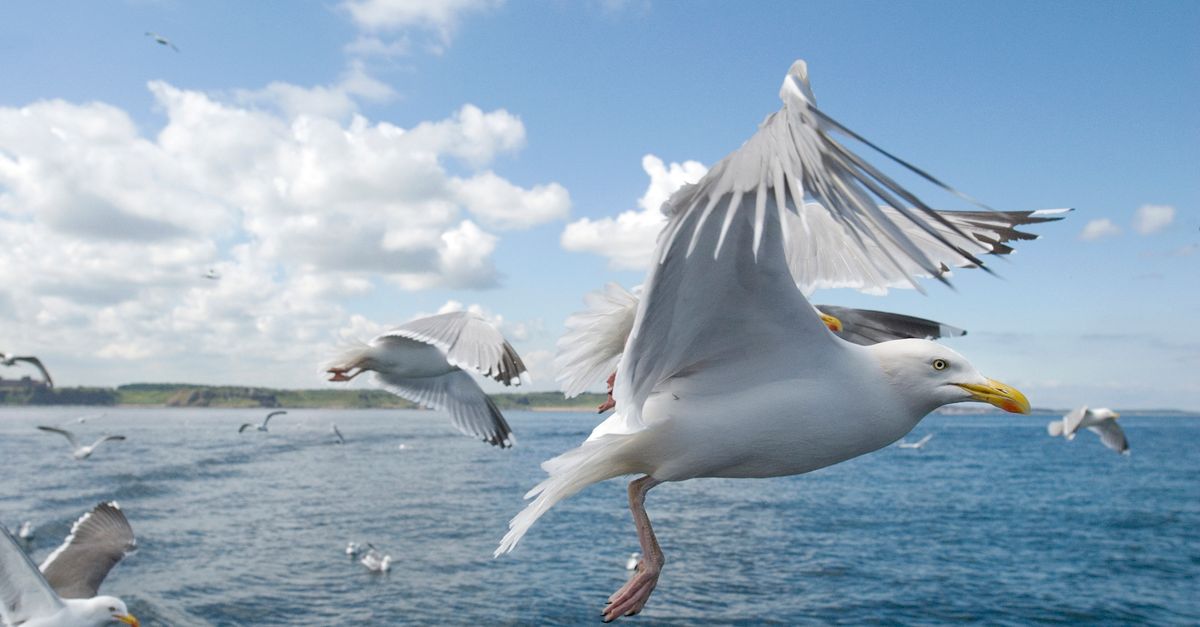
File photo — not from this news story. · See the original story's photos → · Photo: Richard Nettleton / Pexels
📰 Daily News
Scotland's first gull ranger fights to save their reputation
AI가 레벨별로 작성한 세계 뉴스 · World news, written by AI at each level
Have you ever watched a gull steal food from someone at the beach? Most people laugh — or get angry. But what if we told you that gulls are actually smart, family-oriented birds that deserve our respect?
In a small fishing village on Scotland's east coast, one ranger is on a mission to change how we think about gulls. Her job title is unusual: gull ranger. She doesn't catch or remove gulls. Instead, she teaches people to understand them better. She wants to build a bridge between two groups that often clash — humans who live and work by the sea, and the gulls who live there too.
The problem is real. Gulls in coastal towns have learned to find food in human spaces. They take chips from picnic baskets. They steal bread from outdoor tables. Shopkeepers complain. Families get upset. The birds seem like troublemakers. But here's the thing: gulls are not trying to be bad neighbors. They are just hungry and smart enough to know where food is easy to find.
The ranger spends her time doing surprising work. She watches where gulls gather. She talks to people about why gulls behave the way they do. She shows parents how gulls care for their babies — how they teach young gulls survival skills, just like human families do. She explains that gulls have excellent memories. They remember safe places. They recognize individual humans. Some even learn to open certain doors or containers to reach food.
One key message is this: when people stop leaving food out, gulls stop coming back to those places. The ranger encourages restaurants and shops to keep outdoor areas clean and to store food safely. She suggests that communities can reduce conflict simply by being more careful with trash. This is not difficult. It just requires awareness and effort.
The ranger also points out something many people never notice: gulls are parents. During spring and summer, adult gulls work hard to feed their chicks. They dive for fish. They search all day long. When they find human food, it is quick energy for their babies. This does not excuse them for stealing your lunch — but it explains why they do it.
Changing public opinion takes time. But this ranger believes it is possible. She has seen small shifts already. Some people now watch gulls with curiosity instead of anger. Some parents teach their children that gulls are wildlife, not enemies. This mindset shift matters. When people see animals as individuals with their own lives and families, they treat them with more care.
The long-term goal is harmony. Not zero gulls in town — that is not realistic or even good for the ecosystem. The goal is a balance where humans and gulls can coexist. Gulls eat pests that would otherwise damage crops and spread disease. They are part of a healthy food chain. They belong in coastal places. The question is not whether they should be there. The question is how humans can adapt to share space with them.
So the next time you see a gull, pause for a moment. Watch how it moves. Notice if it is with other gulls — maybe a family group. Think about what its life might be like. You might find yourself feeling differently about a bird you once thought of as just a pest.
Inspired by reporting from BBC News.
📚 Vocabulary
ranger
a person who protects and manages wildlife or natural areas
야생동물이나 자연 지역을 보호하고 관리하는 사람
coexist
to live or exist together in the same space or time
같은 공간이나 시간에 함께 살거나 존재하다
clash
to have a serious disagreement or conflict
심각한 의견 불일치나 갈등을 가지다
ecosystem
a community of plants and animals living together in an environment
한 환경에서 함께 사는 식물과 동물의 공동체
mindset
a person's beliefs and attitudes about something
무언가에 대한 사람의 신념과 태도
harmony
a state of peaceful agreement and cooperation
평화로운 동의와 협력의 상태
survival skill
an ability or technique needed to stay alive and healthy in challenging conditions
어려운 상황에서 살아남기 위해 필요한 능력이나 기술
awareness
knowledge or understanding of something; the state of being informed
무언가에 대한 지식이나 이해; 정보를 가진 상태
Your next step
Step 1 · Free level test
Find your English level in about 12 minutes — free, no signup required.
Take the level test →
Step 2 · Free 30-minute class
Try one real class with Uncle J, free.
Book my free class →
Step 3 · Sign up free to get started ↓
전체 레슨을 보고 싶으세요?
Want the full lesson?
회화 연습, 역할극, 문법, 그리고 진짜 선생님이 안에 있어요.
Conversation practice, roleplay, grammar, and a real tutor are inside.