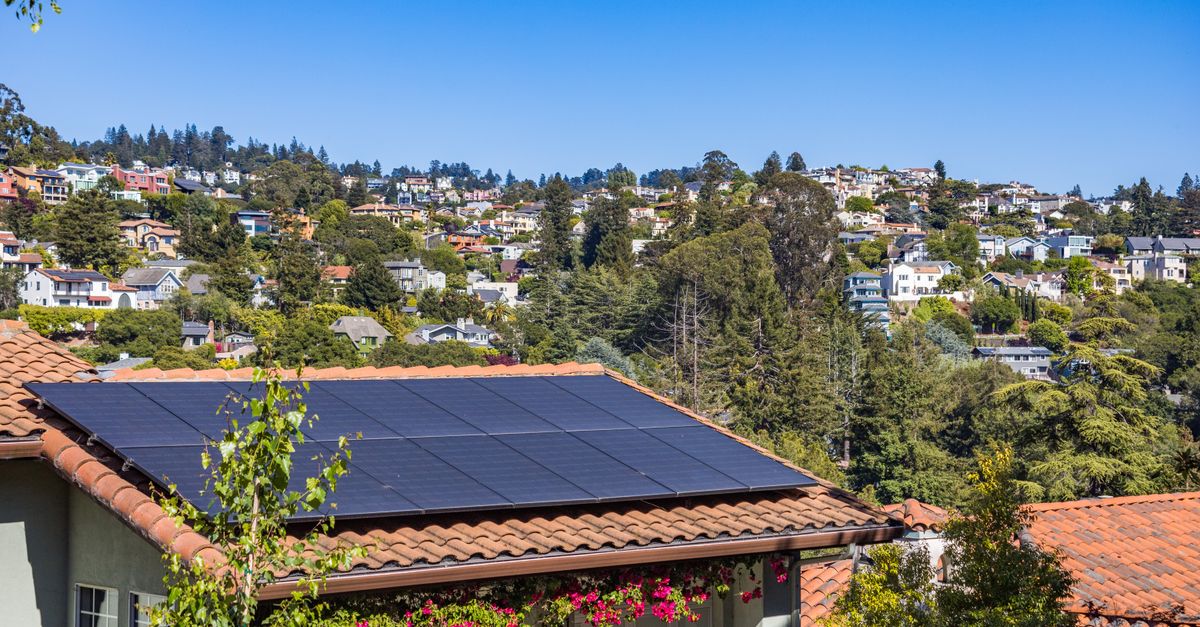
File photo — not from this news story. · See the original story's photos → · Photo: Robert So / Pexels
📰 Daily News
Pakistan's solar boom outpaces its power grid
AI가 레벨별로 작성한 세계 뉴스 · World news, written by AI at each level
Imagine a revolution happening on rooftops instead of in the streets. That is exactly what is taking place across Pakistan right now—and the speed is catching everyone by surprise.
Just a few years ago, solar power played almost no role in Pakistan's electricity system. The country relied mainly on fossil fuels like coal and natural gas to power homes, offices, and factories. But something shifted. Families began installing solar panels on their roofs. Businesses did the same. Today, solar energy accounts for nearly 28% of Pakistan's total electricity supply. That is an enormous jump from just 1% not long ago.
Why are so many people choosing solar power? The answer is simple: it saves money. Pakistan's traditional power plants are expensive to operate. The cost of electricity keeps rising, which hurts household budgets. Solar panels, by contrast, give people a way to generate their own free energy once the initial investment is made. The sun shines almost every day in Pakistan, making solar energy incredibly practical. For many families, installing panels has cut their electricity bills dramatically.
But here is the interesting twist. This rapid adoption has created an unexpected problem. Pakistan's national electrical grid—the network that distributes power across the country—was designed decades ago. It was built to handle power flowing in one direction: from power plants to homes. Today, thousands of homes and businesses are now producing their own electricity and sometimes sending extra power back into the grid. The system was not built for this. Utilities struggle to manage the sudden surges of power coming from millions of roof-mounted solar installations. The grid itself is aging and needs upgrades to handle this new reality.
Experts call this a good problem to have. It means clean energy is winning. Solar power produces no emissions and no pollution. Unlike coal plants, it does not damage the environment. For a country facing serious air-quality issues, this shift could bring real health benefits. Young people especially are driving this change, seeing solar panels not just as a way to save money, but as a way to build a cleaner future.
But the government and utility companies know they must act fast. They are now investing in upgrading the grid to store extra power in massive batteries, modernize aging infrastructure, and create smart systems that can balance supply and demand. Pakistan's experience shows us something important: technological change can happen faster than institutions are ready for. The challenge now is keeping up.
Inspired by reporting from BBC News.
📚 Vocabulary
solar panel
a device made of special material that captures sunlight and converts it into electricity
햇빛을 전기로 바꾸는 장치
revolution
a sudden, dramatic change in the way something is done or thought about
급속한 변화, 혁명
fossil fuel
energy sources like coal, oil, or natural gas that come from ancient plants and animals buried underground
화석연료
adoption
the act of starting to use something new or beginning to follow a new practice
채택, 도입
grid
a connected system of cables and equipment that carries electricity from power plants to homes and businesses
전력을 공급하는 전력망
infrastructure
the basic systems and facilities needed to make something work, such as roads, pipes, power lines, or communication networks
기초시설, 인프라
surge
a sudden, sharp increase in the amount or strength of something
급증, 급상승
emission
gases or other substances released into the air, often as a result of burning fuel
배출물, 가스
Your next step
Step 1 · Free level test
Find your English level in about 12 minutes — free, no signup required.
Take the level test →
Step 2 · Free 30-minute class
Try one real class with Uncle J, free.
Book my free class →
Step 3 · Sign up free to get started ↓
전체 레슨을 보고 싶으세요?
Want the full lesson?
회화 연습, 역할극, 문법, 그리고 진짜 선생님이 안에 있어요.
Conversation practice, roleplay, grammar, and a real tutor are inside.