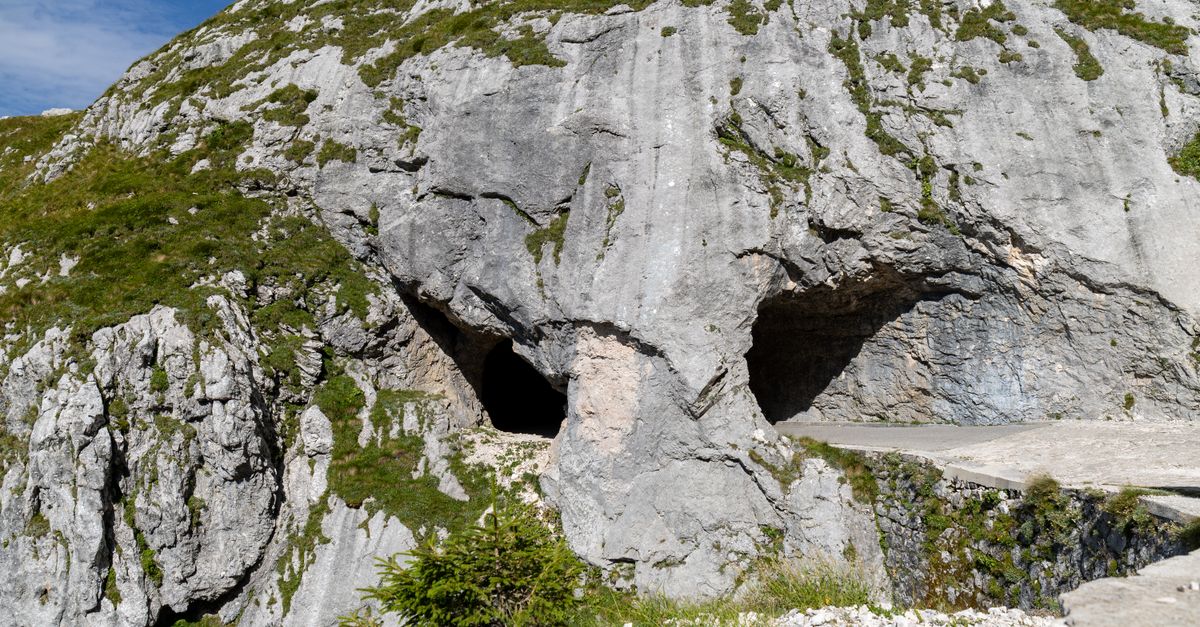
File photo — not from this news story. · See the original story's photos → · Photo: Alan Kabeš / Pexels
📰 Daily News
Alpine guide unearths 100 cave bear skeletons in hidden cave
AI가 레벨별로 작성한 세계 뉴스 · World news, written by AI at each level
Imagine walking through snow high in the mountains and stumbling upon something that hasn't been seen in thousands of years. That is exactly what happened to an experienced alpine guide who discovered over 100 complete skeletons of extinct cave bears locked inside a hidden cave. The finding is so remarkable that local authorities are keeping the exact location secret until scientists can properly study and protect it.
Cave bears were massive animals that lived in Europe during the last ice age. They disappeared around 24,000 years ago, long before humans developed modern tools and weapons. Finding this many skeletons together is extremely rare—most fossils are scattered or broken into small pieces. This cave holds thousands upon thousands of individual bones, all preserved in one spot. Experts believe the bears may have used this cave as a shelter, and over time, many died there naturally.
The discovery team decided to keep the site completely hidden from the public. Their reason is practical and important: a location like this attracts looters who steal bones and damage the landscape. These bones are invaluable to science, so protecting them from theft is crucial. Local authorities installed iron bars at the cave entrance to ensure no one can disturb the remains until proper research can begin.
When spring arrives and snow melts, a team of specialists from different fields will enter the cave. Paleontologists will study the bones to learn about the bears' lives and health. Geologists will examine how the cave was formed. Other experts will document every detail before moving anything. This careful, slow approach means the research could take years—but that patience will help scientists understand ancient life far better than rushing through the work.
Why does this matter? These bones tell a story about our planet's past. They show us what animals looked like, what they ate, how they moved, and how they survived. Understanding extinct species helps us protect animals alive today. It also reminds us that our world has changed dramatically—and may change again. Every fossil is like a time capsule waiting to share its secrets.
What surprises you most about this discovery? Would you want to visit the cave yourself, or do you think keeping it secret and protected is the better choice?
Inspired by reporting from Good News Network.
📚 Vocabulary
alpine
relating to high mountains, especially the Alps
높은 산의, 알프스의
extinct
no longer alive or existing anywhere in the world
멸종한, 사라진
fossil
the preserved remains of an ancient plant or animal
화석
preserve
to keep something safe from being damaged or destroyed
보존하다, 지키다
invaluable
extremely useful and important; having great value
귀중한, 값을 매길 수 없는
paleontologist
a scientist who studies fossils and ancient life
고생물학자
assemblage
a collection of things gathered together; a group or gathering
집합, 모음
loot
to steal valuable things, often during a time of disorder or danger
도굴하다, 약탈하다
Your next step
Step 1 · Free level test
Find your English level in about 12 minutes — free, no signup required.
Take the level test →
Step 2 · Free 30-minute class
Try one real class with Uncle J, free.
Book my free class →
Step 3 · Sign up free to get started ↓
전체 레슨을 보고 싶으세요?
Want the full lesson?
회화 연습, 역할극, 문법, 그리고 진짜 선생님이 안에 있어요.
Conversation practice, roleplay, grammar, and a real tutor are inside.