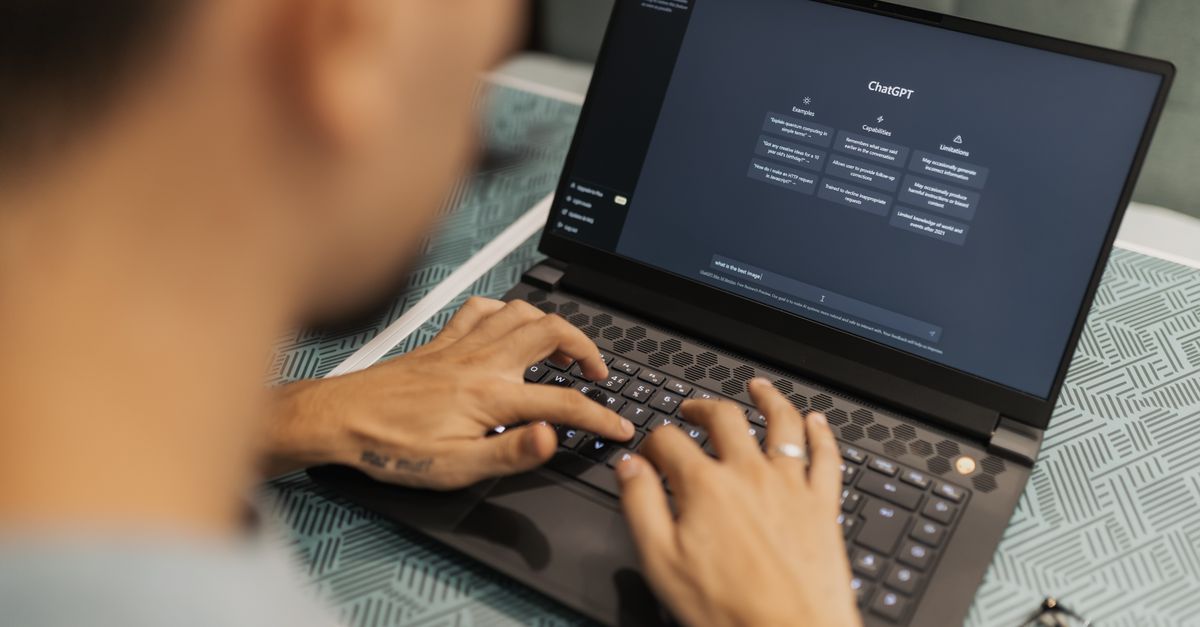
File photo — not from this news story. · See the original story's photos → · Photo: Matheus Bertelli / Pexels
📰 Daily News
OpenAI scientist warns world unprepared for AI's next leap
AI가 레벨별로 작성한 세계 뉴스 · World news, written by AI at each level
Imagine a tool so powerful that experts cannot predict all the ways it will change the world. This is the reality AI researchers are facing right now.
Recently, a top scientist at OpenAI—one of the world's leading artificial intelligence companies—shared a serious message. He warned that nobody is truly prepared for what artificial intelligence will bring. This is not a prediction about the distant future. This is happening now. The company has just released GPT-6 Astra, which it describes as its most advanced system yet. Each new version is smarter and faster than the last, and the gap between what we can do and what we should worry about keeps growing.
What does "not prepared" really mean? First, it means governments and schools are not moving fast enough to create rules and education. Laws take time to write and approve. AI moves much faster. Second, many workers are unsure how this technology will affect their jobs. Will automation replace certain roles? Will new jobs appear? Nobody has clear answers yet. Third, companies themselves face difficult decisions about how to develop AI safely. The pressure to be first, to be biggest, sometimes conflicts with being careful.
The interesting part is that AI scientists themselves are divided. Some believe the risks are extreme and urgent. Others think we are learning to manage these tools responsibly. What almost everyone agrees on is this: we need to start planning now. We need better conversations between scientists, business leaders, government officials, and ordinary people.
One key question is education. If AI will change many jobs, how do we help workers adapt? Another question is fairness. Who decides what values an AI system should reflect? Should it be different in different countries? These are not technical questions only—they are human questions.
The release of new, more powerful AI systems puts real pressure on these conversations. Companies want to share their innovations. Society wants safety and fairness. Both things matter. Neither one should be ignored.
Here is what we might do: learn more about how AI actually works. Ask questions about the tools you already use. Think about what kind of future you want, not just the one that seems most likely. And remember—these decisions are being made right now, and they will affect all of us.
Inspired by reporting from BBC News.
📚 Vocabulary
artificial intelligence
computer technology that learns and makes decisions similar to human thinking
인간의 생각과 유사하게 학습하고 결정을 내리는 컴퓨터 기술
predict
to say what you think will happen in the future
미래에 무엇이 일어날 것인지 말하다
automation
using machines or software to do work that people used to do
사람들이 하던 일을 기계나 소프트웨어로 하게 하는 것
innovation
a new idea, product, or way of doing something
새로운 아이디어, 제품, 또는 일하는 방식
urgent
needing immediate attention or action; very important and serious
즉각적인 관심이나 행동이 필요한; 매우 중요하고 심각한
adapt
to change or adjust to fit new conditions or situations
새로운 상황이나 조건에 맞게 변하거나 적응하다
fairness
the quality of treating people equally and justly
사람들을 동등하고 공정하게 대하는 질
advance
progress or development, especially in technology or knowledge
진전이나 발전, 특히 기술이나 지식 분야에서
Your next step
Step 1 · Free level test
Find your English level in about 12 minutes — free, no signup required.
Take the level test →
Step 2 · Free 30-minute class
Try one real class with Uncle J, free.
Book my free class →
Step 3 · Sign up free to get started ↓
전체 레슨을 보고 싶으세요?
Want the full lesson?
회화 연습, 역할극, 문법, 그리고 진짜 선생님이 안에 있어요.
Conversation practice, roleplay, grammar, and a real tutor are inside.