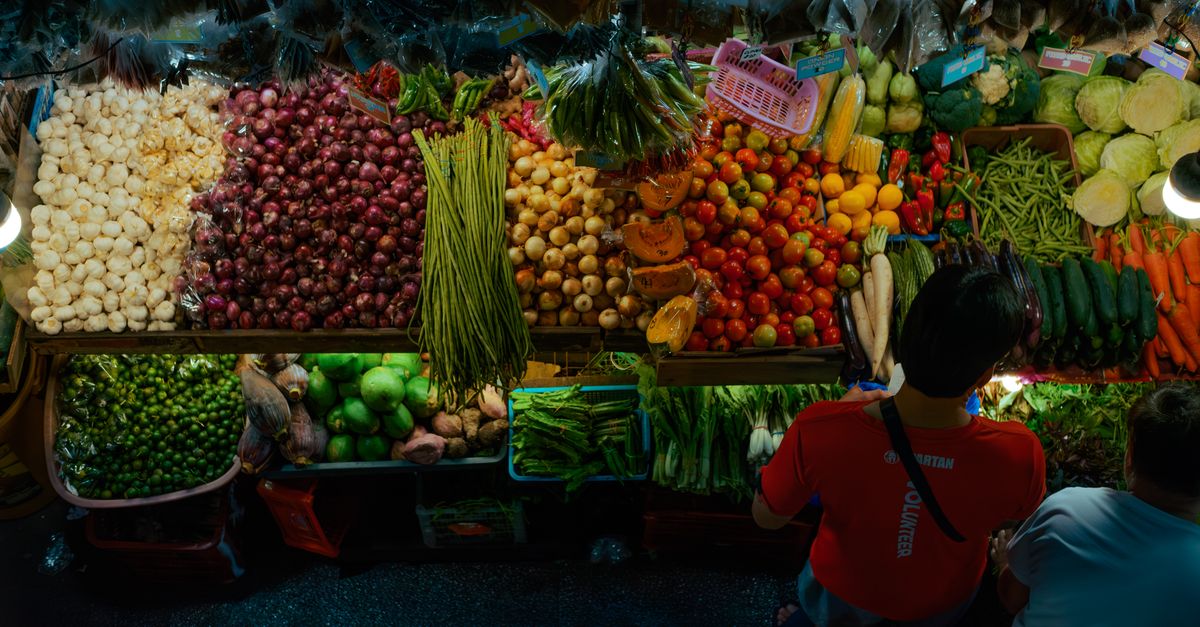
자료사진(기사 내용과 무관) · 원본 기사 사진 보기 → · Photo: Clarence Gaspar / Pexels
📰 Daily News
필리핀 양파 수입상들, 담합 혐의로 2,800만 달러 벌금
Philippine onion traders fined $28m for secret price scheme
AI가 레벨별로 작성한 세계 뉴스 · World news, written by AI at each level
Imagine paying the same price for a single onion as you earn in a full day of work. This actually happened in the Philippines in 2022, and it tells a surprising story about how markets work — and what happens when they stop working fairly.
For many months that year, onion prices climbed higher and higher. By the peak of the crisis, onions had become so expensive that one onion could cost more than the daily minimum wage. Families who relied on onions for cooking — which means almost every family — found their grocery bills suddenly unbearable. Street vendors and restaurant owners watched their costs explode. Something was clearly wrong.
Authorities began to investigate, and they discovered a troubling pattern. Several large onion traders had been working together in secret. Instead of competing fairly, they made agreements about how much onion to sell and at what price. They coordinated their actions to keep supplies low and prices high. This practice is called "price-fixing," and it is illegal because it harms consumers. When businesses collude this way, ordinary people pay the real price.
The Philippine government took action. The traders involved were prosecuted, and in the end, they were ordered to pay a combined fine of $28 million. This was a significant penalty — large enough to send a clear message that the government takes market manipulation seriously. The case also marked an important moment: authorities were willing to pursue the case all the way through, holding powerful traders accountable for their actions.
What made this story especially striking was how visible the harm became. Because onions touch almost every kitchen in the country, millions of ordinary people felt the squeeze directly. They could not avoid it or look away. A simple trip to buy onions became a conversation about fairness and power in the economy. Did you know that this kind of market problem — where a few powerful players control supply and price — happens in many countries? Sometimes it involves onions. Sometimes it involves oil, grain, or medicine. The lesson is always the same: when markets become unfair, governments have a responsibility to step in.
What surprised you most about this story? Have you ever noticed prices for everyday items suddenly jump in your own neighborhood, and wondered why?
Inspired by reporting from BBC News.
📚 어휘
price-fixing
an illegal agreement between competitors to keep prices high rather than letting them move freely
경쟁사들이 가격을 자유롭게 결정하지 않고 높은 수준으로 유지하기로 약속하는 불법 행위
collide
to work together secretly in a way that is unfair to others; to conspire
다른 사람들에게 부당하게 행동하기 위해 비밀리에 함께 일하다
artificial
created or caused by human action, not by natural forces; made by design rather than naturally occurring
자연적으로 나타나지 않고 인간이 의도적으로 만든 것
accountability
the responsibility to explain and justify your actions; being held responsible for what you do
자신의 행동을 설명하고 정당화해야 하는 책임; 그 행동에 대해 책임을 져야 함
prosecute
to bring legal charges against someone; to pursue someone through the courts for breaking the law
누군가를 법적으로 고소하다; 법을 위반한 사람을 법원을 통해 추적하다
manipulation
the act of controlling or influencing something in a clever or dishonest way to get a desired result
원하는 결과를 얻기 위해 무언가를 교활하거나 부정직한 방식으로 조종하거나 영향을 미치는 행위
cartel
a group of independent businesses or countries that work together to control prices and reduce competition
가격을 통제하고 경쟁을 줄이기 위해 함께 일하는 독립적인 사업이나 국가들의 집단
unbearable
too difficult, painful, or expensive to accept or deal with
받아들이거나 감당하기에 너무 어렵거나 고통스럽거나 비싼
다음 단계
1단계 · 무료 레벨 테스트
약 12분이면 내 영어 레벨을 확인할 수 있어요 — 무료, 회원가입 없이 가능해요.
레벨 테스트 하러 가기 →
2단계 · 무료 30분 수업
Uncle J와 진짜 수업을 무료로 한 번 체험해보세요.
무료 수업 신청하기 →
3단계 · 무료로 가입하고 시작하세요 ↓
전체 레슨을 보고 싶으세요?
Want the full lesson?
회화 연습, 역할극, 문법, 그리고 진짜 선생님이 안에 있어요.
Conversation practice, roleplay, grammar, and a real tutor are inside.