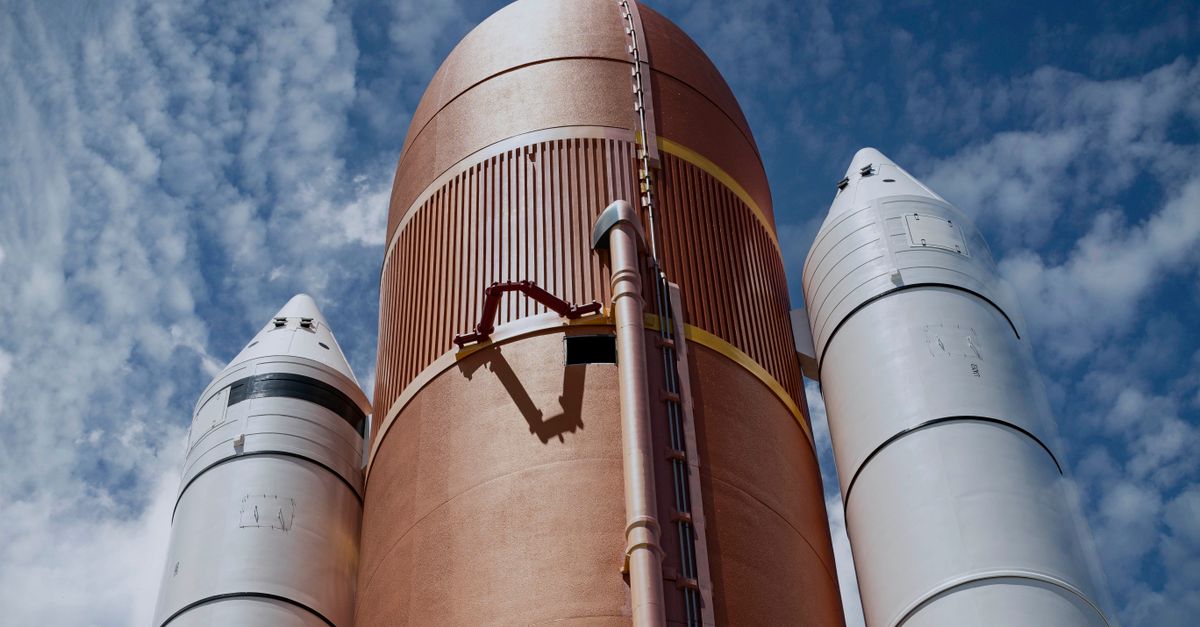
자료사진(기사 내용과 무관) · 원본 기사 사진 보기 → · Photo: john mckenna / Pexels
📰 Daily News
로봇 우주선, 떨어지는 망원경 구출 작전 시작
Robotic spacecraft races to catch falling telescope
AI가 레벨별로 작성한 세계 뉴스 · World news, written by AI at each level
Imagine a telescope spinning slowly out of its orbit, falling closer to Earth day by day. Soon it will hit the atmosphere and burn up completely. This is not science fiction — it is actually happening right now in space.
NASA has launched an unusual rescue mission. A robotic spacecraft is heading toward a falling telescope to catch it and save it. The mission is called IXPE, and it represents something remarkable: humans are learning to repair and rescue equipment in orbit, not just send it up and forget it.
The telescope has been working perfectly for two years. Scientists around the world have used it to study distant stars, black holes, and other cosmic mysteries. But recently, the orbit started to decay. The telescope is gradually falling. In a few months, it would have re-entered Earth's atmosphere and been destroyed.
This is where the rescue robot comes in. The spacecraft does not carry astronauts or a human pilot. Instead, it has advanced sensors and robotic arms that can perform precise movements. The robot will approach the telescope carefully. Then it will connect to the telescope and push it to a higher, more stable orbit. This is an extremely delicate job — like catching a fast-moving object in near-total darkness while traveling at thousands of miles per hour.
Saving a space telescope is expensive and complicated. But losing one is even worse. These instruments cost billions of dollars and take years to build. They produce scientific discoveries that benefit all of humanity. When we destroy one, we lose not just the equipment — we lose the knowledge it could have discovered.
This mission also teaches us something important about the future of space exploration. We are moving away from the idea that space objects are disposable. Instead, we are developing the technology to maintain, repair, and upgrade equipment in orbit. This skill will become more and more valuable as we build more space stations, factories, and settlements.
The rescue will take several weeks to complete. During this time, scientists will monitor every movement of the robot and telescope. If everything goes well, the telescope will return to a safe orbit and continue its research for many more years. If something goes wrong, decades of work and billions of dollars will be lost.
This kind of mission shows us that space is no longer just a distant frontier. It is becoming a place where humans are learning to work, fix problems, and innovate. The next time you look up at the night sky, remember: there are now robots up there, carefully working to protect the tools that help us understand the universe.
Inspired by reporting from BBC News.
📚 어휘
decay
to gradually break down or fall apart; in space, to gradually move to a lower orbit
점차 분해되거나 붕괴되다; 우주에서는 점차 낮은 궤도로 이동하다
rescue
to save someone or something from danger or harm
누군가 또는 무언가를 위험이나 해로움으로부터 구하다
precision
the quality of being exact and accurate; doing something with great care and accuracy
정확하고 정밀함의 질; 세심한 주의와 정확성으로 무언가를 하다
delicate
requiring careful, gentle handling; easily damaged or broken
조심스럽고 섬세한 취급이 필요한; 쉽게 손상되거나 부러질 수 있는
frontier
the edge of known or developed territory; a new area of exploration or knowledge
알려지거나 개발된 영토의 경계; 탐험이나 지식의 새로운 영역
cosmic
relating to the universe, stars, and space
우주, 별, 그리고 우주공간과 관련된
disposable
made to be used once and then thrown away; not meant to be kept or repaired
한 번 사용한 후 버리도록 만들어진; 보관하거나 수리하도록 의도되지 않은
monitor
to watch or check something carefully over a period of time
시간에 따라 무언가를 주의 깊게 관찰하거나 확인하다
다음 단계
1단계 · 무료 레벨 테스트
약 12분이면 내 영어 레벨을 확인할 수 있어요 — 무료, 회원가입 없이 가능해요.
레벨 테스트 하러 가기 →
2단계 · 무료 30분 수업
Uncle J와 진짜 수업을 무료로 한 번 체험해보세요.
무료 수업 신청하기 →
3단계 · 무료로 가입하고 시작하세요 ↓
전체 레슨을 보고 싶으세요?
Want the full lesson?
회화 연습, 역할극, 문법, 그리고 진짜 선생님이 안에 있어요.
Conversation practice, roleplay, grammar, and a real tutor are inside.