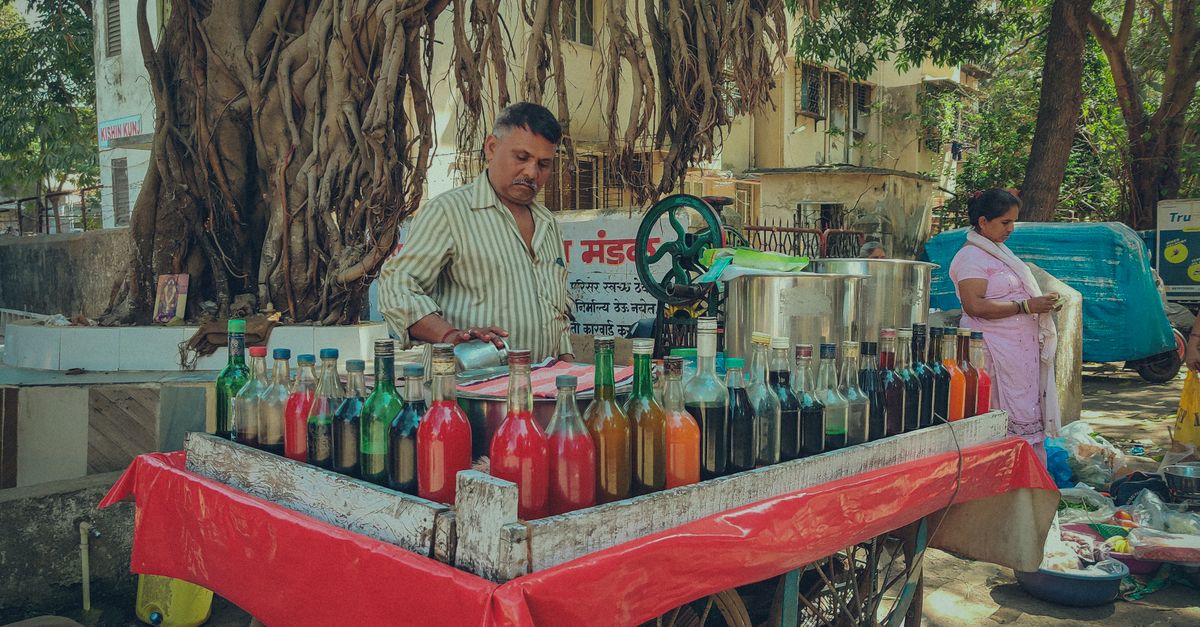
자료사진(기사 내용과 무관) · 원본 기사 사진 보기 → · Photo: Niraj Yadav / Pexels
📰 Daily News
뭄바이의 전통 도시락 배달꾼들이 사라지고 있다
Dabbawalas in Mumbai have delivered home-cooked meals to workers for over a century, but their numbers are declining
AI가 레벨별로 작성한 세계 뉴스 · World news, written by AI at each level
The dabbawala system of Mumbai is one of India's most famous traditions. For more than one hundred years, these workers have collected lunch boxes from homes. They deliver fresh, home-cooked meals to office workers across the city every single day. A dabbawala is essentially a lunch delivery specialist. The system is incredibly efficient. Workers collect boxes in the morning, sort them by destination, and deliver them by noon. Then they collect the empty boxes and return them home before evening. This simple but effective method has served millions of workers over the decades.
However, the traditional dabbawala profession now faces serious challenges. The number of active dabbawalas has dropped significantly in recent years. One major reason is the shift toward remote work. Many office workers now stay home. They no longer need daily lunch deliveries. This change in work patterns has reduced customer demand across the city. Without customers, dabbawalas cannot earn enough money to survive.
Operating costs have also increased dramatically. Fuel prices have risen. Transportation expenses are higher. Workers must pay more for bicycles, carts, and maintenance. At the same time, customers expect lower prices. This squeeze between rising costs and lower fees makes the job unprofitable for many people. Younger workers see these economic pressures and choose different careers instead.
The cultural significance of the dabbawala system cannot be ignored. It represents Mumbai's identity and spirit of hard work. The system creates jobs for thousands of people and their families. It supports the entire network of food preparation at home. Schools, colleges, and offices have all depended on this reliable service for generations. Losing the dabbawala system would mean losing an important part of Indian urban culture.
Some efforts to preserve this tradition are underway. Social organizations and local governments have begun recognition programs. They celebrate the contribution of dabbawalas to society. Tourism companies now offer dabbawala experiences for visitors. Educational campaigns remind people of the system's value. However, these efforts may not be enough to reverse the trend completely.
The future of Mumbai's dabbawalas remains uncertain. The combination of technological change and economic pressure is powerful. Without new customers or better conditions, fewer young people will enter the profession. The numbers will likely continue to fall. Yet the dabbawala system remains a symbol of innovation and dedication that developed long before modern technology existed.
Inspired by reporting from BBC News.
📚 어휘
dabbawala
a person who collects and delivers home-cooked meals in lunch boxes to workers in Indian cities
인도 도시에서 직장인들에게 도시락을 모아서 배달하는 사람
remote work
working from home or a location away from an office
집이나 사무실이 아닌 다른 장소에서 일하는 것
shift
a change or change in direction, focus, or method
방향이나 초점, 방법의 변화
significantly
in a way that is large, important, or noticeable
크거나 중요하거나 눈에 띄는 방식으로
squeeze
a difficult situation caused by competing pressures or demands
서로 충돌하는 압력이나 요구로 인한 어려운 상황
profitability
the condition of making more money than you spend; the ability to earn profit
지출보다 더 많은 돈을 버는 상태; 이익을 얻을 수 있는 능력
preservation
the action of protecting something from damage, loss, or change
무언가를 손상, 손실, 또는 변화로부터 보호하는 행동
reverse
to change something back to the opposite direction or condition; to undo a trend
무언가를 반대 방향이나 상태로 바꾸기; 추세를 되돌리기
다음 단계
1단계 · 무료 레벨 테스트
약 12분이면 내 영어 레벨을 확인할 수 있어요 — 무료, 회원가입 없이 가능해요.
레벨 테스트 하러 가기 →
2단계 · 무료 30분 수업
Uncle J와 진짜 수업을 무료로 한 번 체험해보세요.
무료 수업 신청하기 →
3단계 · 무료로 가입하고 시작하세요 ↓
전체 레슨을 보고 싶으세요?
Want the full lesson?
회화 연습, 역할극, 문법, 그리고 진짜 선생님이 안에 있어요.
Conversation practice, roleplay, grammar, and a real tutor are inside.