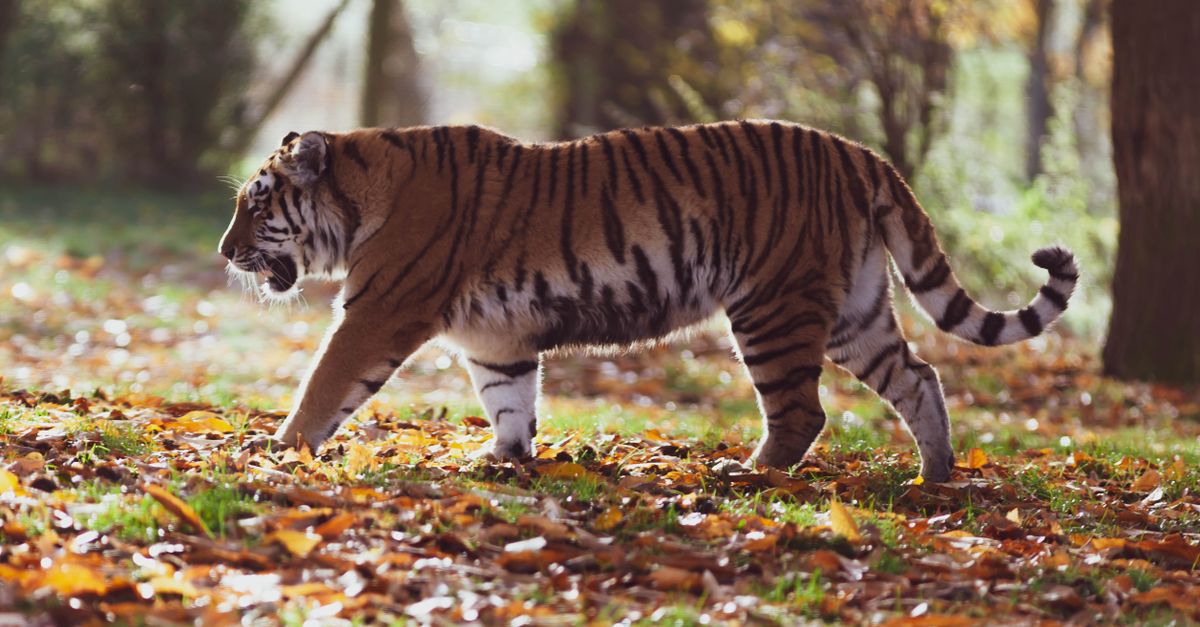
File photo — not from this news story. · See the original story's photos → · Photo: TheOther Kev / Pexels
📰 Daily News
Female Amur tiger returns to Kazakhstan after 70 years
AI가 레벨별로 작성한 세계 뉴스 · World news, written by AI at each level
Imagine a landscape without tigers. For central Asia, that was reality for nearly a century. But this week, that chapter may finally be turning.
A female Amur tiger named Umit stepped into the wild forests of Kazakhstan. This moment matters because no tiger had roamed these lands for seventy years. Her release represents a bold attempt to bring back a species that humans nearly destroyed.
The story of the Amur tiger in central Asia is one of loss and hope. A hundred years ago, tigers lived across the region. Then hunting and habitat destruction changed everything. By the 1950s, they were gone. The ecosystem—and the animals themselves—suffered deeply from their absence. Large predators like tigers play a vital role. They keep deer and wild boar populations in balance. Without them, forests lose their natural rhythm.
Umit did not choose this journey. Scientists prepared her carefully for release. She spent time learning to hunt and survive in this specific environment. Experts studied her behavior. They taught her the skills she would need. Her release was not rushed or careless. It followed years of planning and international cooperation.
Why does one tiger matter so much? Because she is not alone in this mission. Umit is the first of what researchers hope will be many. This programme aims to slowly restore tiger populations across central Asia. Success is not guaranteed. Tigers need vast territories to hunt and live. They need prey animals to be plentiful. They need humans to protect them, not hunt them.
Kazakhstan took on this project with serious commitment. Conservation workers monitor Umit closely. They track her movements. They check her health. Every detail matters in these early months. If she thrives, if she finds enough food, if she stays safe—then the next tiger can follow. And then another.
The larger story here reveals something powerful about nature: recovery is possible. A hundred years ago, no one imagined tigers would return to this land. Yet here we are, watching it happen. Umit is not just a tiger. She is a symbol of what commitment and patience can achieve. She represents a chance to restore something beautiful that we almost lost.
Of course, challenges remain. Climate change threatens forests. Some people still view tigers as dangerous competitors. Funding for conservation work is always limited. But moments like Umit's release remind us why the effort matters.
What do you think? If you lived near these forests, how would you feel about tigers returning to your region?
Inspired by reporting from BBC News.
📚 Vocabulary
restore
to bring something back to how it was before; to return something lost
어떤 것을 이전 상태로 되돌리다; 잃어버린 것을 다시 가져오다
habitat
the natural home or environment where an animal or plant lives
동물이나 식물이 사는 자연 환경
ecosystem
a community of living things and their physical environment working together
생물과 그들의 물리적 환경이 함께 작용하는 공동체
predator
an animal that hunts and eats other animals
다른 동물을 사냥해 먹는 동물
monitoring
carefully watching or checking something over time to see how it changes
시간에 따라 어떤 것을 주의 깊게 관찰하고 확인하는 것
commitment
a strong promise or dedication to do something important
중요한 무언가를 하겠다는 강한 약속이나 헌신
scarce
difficult to find; very rare or not enough of something
찾기 어려운; 매우 드물거나 충분하지 않은
symbol
a thing that represents or stands for something else, often something bigger or more meaningful
다른 무언가, 종종 더 크거나 의미 있는 것을 나타내거나 대표하는 것
Your next step
Step 1 · Free level test
Find your English level in about 12 minutes — free, no signup required.
Take the level test →
Step 2 · Free 30-minute class
Try one real class with Uncle J, free.
Book my free class →
Step 3 · Sign up free to get started ↓
전체 레슨을 보고 싶으세요?
Want the full lesson?
회화 연습, 역할극, 문법, 그리고 진짜 선생님이 안에 있어요.
Conversation practice, roleplay, grammar, and a real tutor are inside.