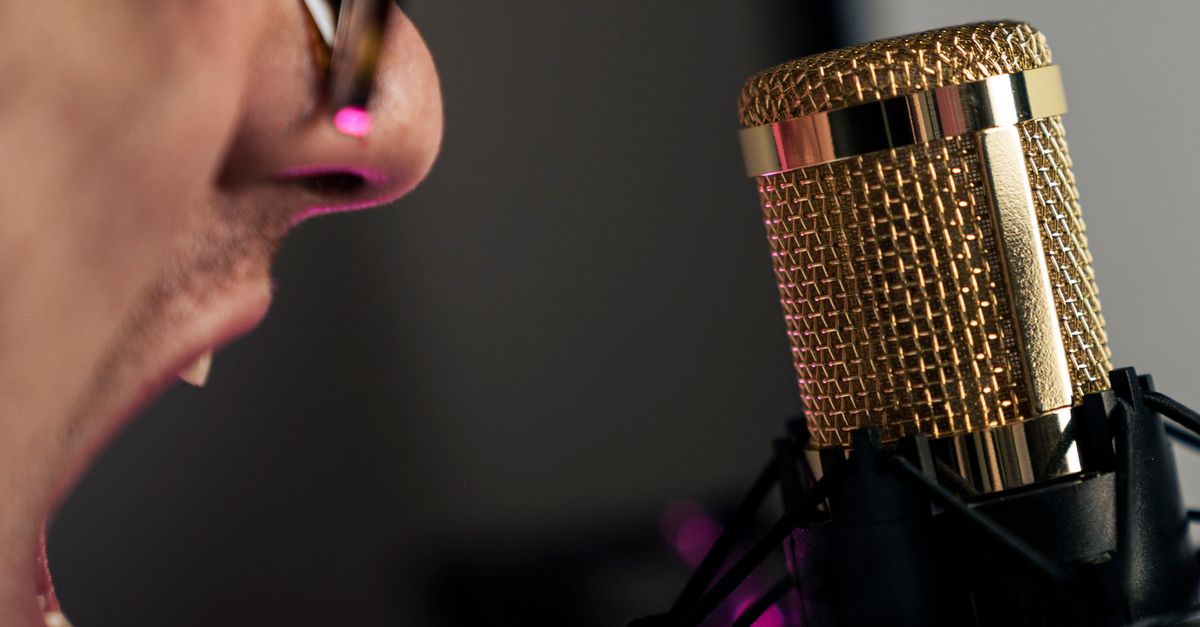
자료사진(기사 내용과 무관) · 원본 기사 사진 보기 → · Photo: @felipepelaquim - / Pexels
📰 Daily News
배우들, AI 성우 복제 금지법 촉구
Actors demand law protecting voices from AI copying
AI가 레벨별로 작성한 세계 뉴스 · World news, written by AI at each level
Imagine waking up to hear yourself singing a song you never recorded. Your voice is perfect — but you did not make it. This is the growing worry of actors, singers, and everyday people around the world.
Artificial intelligence has become so skilled that it can now copy anyone's voice. A computer can listen to your words just a few times and then create new sentences that sound exactly like you. This technology is called voice cloning. It sounds like magic, but it raises a serious question: who owns your voice?
Several well-known performers recently asked their government to answer this question with a new law. They want every person in the United Kingdom to have a legal right to their own voice. This means no one could copy or use your voice without your permission. If someone broke this rule, you could take legal action against them.
Why does this matter? Voice cloning can be used in good ways. Movie studios might use it to help actors who are sick. Music producers could create songs faster. But the same technology can cause real harm. Someone could copy a celebrity's voice to make fake videos or recordings. They could pretend the celebrity said things they never actually said. This is called a deepfake. These fake videos can spread lies and hurt people's reputations very quickly.
The problem is even larger for regular people. A criminal could copy your voice to trick your family. They could call your mother and pretend to be you, asking for money. Your boss might hear a voice that sounds like yours saying something rude or illegal — but it was not really you. These scenarios are not science fiction anymore. They are happening now.
Right now, there is no clear legal protection for your voice in most countries. You own your face in some ways. You own your words when you write them. But your voice? The law has not caught up to the technology. This gap is what these actors want to close.
Creating such a law is complicated. What counts as "using" someone's voice? Is it illegal to imitate someone for comedy? What if you use a voice for education or news? These questions need careful answers. But many experts agree: waiting too long is more dangerous than acting too quickly.
Some technology companies are starting to build their own protections. They are creating tools to spot fake voices. Some voice cloning tools now require you to prove who you are before using them. But these private solutions are not enough. Laws need to protect everyone — not just people rich enough to hire lawyers.
This conversation is just beginning. As artificial intelligence grows stronger, more people will care about protecting their voices. Your voice is part of who you are. Should the law protect it the same way it protects your face or your name? That is the question these performers are asking us all to think about.
Inspired by reporting from BBC News.
📚 어휘
artificial intelligence (AI)
computer technology that can learn, think, and make decisions similar to humans
인간처럼 학습하고 생각하고 결정을 내릴 수 있는 컴퓨터 기술
voice cloning
the process of using technology to copy someone's voice and create new sentences they never said
기술을 사용해서 누군가의 목소리를 복제하고 그들이 말하지 않은 새로운 문장을 만드는 과정
deepfake
a fake video or recording made with AI that looks or sounds real but shows something that never actually happened
인공지능으로 만든 가짜 영상이나 음성으로, 실제로 일어나지 않은 일을 보여주지만 마치 진짜처럼 보이거나 들린다
legal right
something the law says you are allowed to do or have; a protection given to you by law
법률에서 당신이 할 수 있거나 가질 수 있다고 말하는 것; 법이 당신에게 주는 보호
reputation
what people think and say about a person or organization; how others see your character
사람이나 조직에 대해 사람들이 생각하고 말하는 것; 다른 사람들이 당신을 어떻게 보는지
permission
official agreement or approval to do something
무언가를 할 수 있다는 공식적인 동의나 승인
imitate
to copy or mimic the way someone speaks, looks, or behaves
누군가의 말투, 모습, 또는 행동을 따라 하거나 흉내 내다
gap
an empty space or lack of something; a difference between two things
빈 공간이나 무언가의 부족; 두 가지 사이의 차이
다음 단계
1단계 · 무료 레벨 테스트
약 12분이면 내 영어 레벨을 확인할 수 있어요 — 무료, 회원가입 없이 가능해요.
레벨 테스트 하러 가기 →
2단계 · 무료 30분 수업
Uncle J와 진짜 수업을 무료로 한 번 체험해보세요.
무료 수업 신청하기 →
3단계 · 무료로 가입하고 시작하세요 ↓
전체 레슨을 보고 싶으세요?
Want the full lesson?
회화 연습, 역할극, 문법, 그리고 진짜 선생님이 안에 있어요.
Conversation practice, roleplay, grammar, and a real tutor are inside.