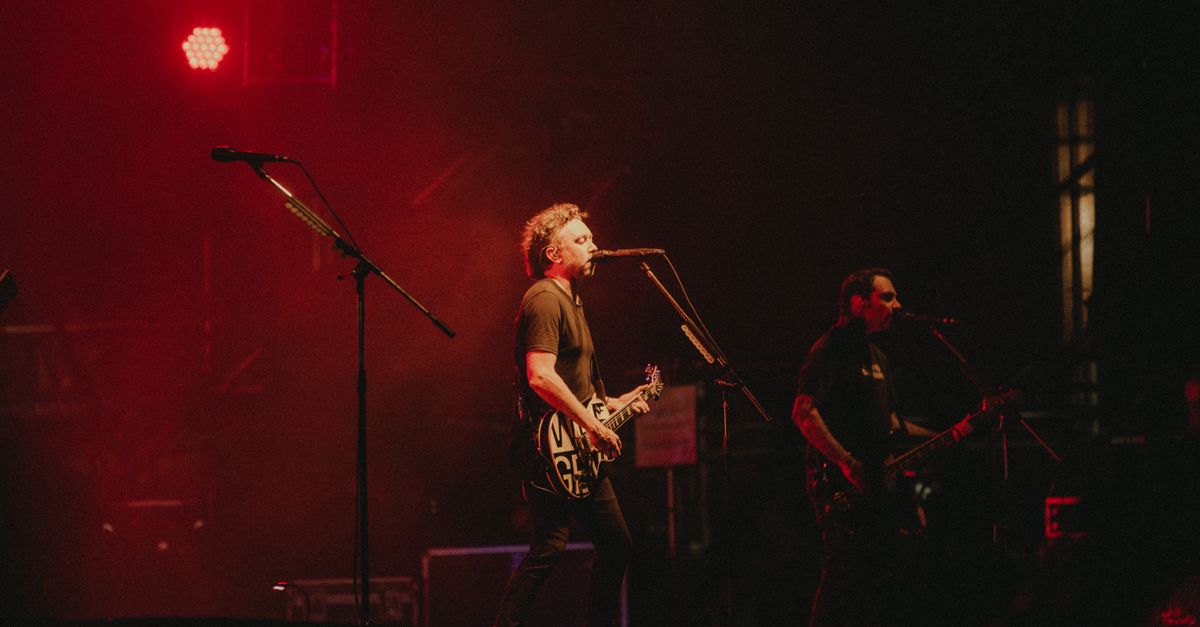
File photo — not from this news story. · See the original story's photos → · Photo: Valentin Angel Fernandez / Pexels
📰 Daily News
British band banned from Singapore over Palestine statement
AI가 레벨별로 작성한 세계 뉴스 · World news, written by AI at each level
When musicians step on stage, they are often thinking about the music — not politics. But sometimes, an artist's voice reaches beyond the song. That is exactly what happened recently when a famous British electronic music band performed in Singapore.
The band chose a moment during their Wednesday concert to make a political statement. They shouted words supporting Palestine from the stage. For many fans in the audience, this was powerful. For the Singapore government, it was a problem.
Within days, officials announced a clear message: the band would not be welcome to perform in Singapore again. The government did not welcome political expression during the show. Singapore is known for having strict rules about public speech and political activity. The city-state carefully controls what people can say in public spaces, including concert venues.
This situation creates an interesting tension. On one hand, artists often feel a responsibility to use their platform for causes they believe in. They argue that musicians have the right to speak about important global issues. Concerts bring thousands of people together, and that moment of unity can feel like a natural place to share a message.
On the other hand, many countries have rules about political activity in public events. These rules exist for different reasons in different places. Some governments worry that concerts might turn into protests. Others believe that venues should remain neutral spaces focused on entertainment alone.
The ban also raises practical questions for musicians. When touring internationally, artists must navigate many different laws and customs. What is permitted in one country might be forbidden in another. A musician who speaks freely in London might face serious consequences in another city. This reality means performers must think carefully about their choices on stage.
For fans of the band, the ban was disappointing. Singapore has a large music scene and many passionate concert attendees. Now those fans cannot see this particular band perform live in their city. The ban affects not just the musicians, but also the audience who wanted to experience the show.
This story also reminds us of something important: freedom of expression looks different around the world. In some places, artists can speak about almost any topic. In other places, political speech has real consequences. Neither situation is necessarily "right" or "wrong" — they simply reflect different values and different legal systems.
The incident will likely become a case study for touring musicians and venues. It shows that the world of live music is not separate from politics and government rules. Artists must be aware of the places where they perform and the laws that govern those spaces. At the same time, many people believe that artists should never feel completely silenced.
What do you think — should performers prioritize their message even when it might get them banned from a country? Or should they focus only on the music and leave politics outside the concert hall?
Inspired by reporting from BBC News.
📚 Vocabulary
venue
a place where an event, performance, or meeting happens
행사, 공연, 또는 모임이 일어나는 장소
platform
a position or opportunity to share your ideas with many people
많은 사람들과 당신의 생각을 나눌 수 있는 위치나 기회
tension
a situation where two opposing forces, ideas, or feelings create difficulty or disagreement
두 가지 반대되는 힘, 생각, 또는 감정이 어려움이나 의견 불일치를 만드는 상황
navigate
to find your way through a difficult or complex situation
어렵거나 복잡한 상황을 통해 길을 찾다
consequence
a result or effect that follows from an action or decision
어떤 행동이나 결정에서 따라오는 결과나 영향
responsibil ity
a duty or obligation to do something or to take care of someone or something
무언가를 하거나 누군가 또는 무언가를 돌봐야 하는 의무나 책임
neutral
not supporting or favoring either side; not taking part in a disagreement
어느 한쪽도 지지하지 않음; 의견 불일치에 참여하지 않음
prioritize
to decide that something is more important than other things and give it attention first
무언가가 다른 것들보다 더 중요하다고 결정하고 먼저 관심을 주다
Your next step
Step 1 · Free level test
Find your English level in about 12 minutes — free, no signup required.
Take the level test →
Step 2 · Free 30-minute class
Try one real class with Uncle J, free.
Book my free class →
Step 3 · Sign up free to get started ↓
전체 레슨을 보고 싶으세요?
Want the full lesson?
회화 연습, 역할극, 문법, 그리고 진짜 선생님이 안에 있어요.
Conversation practice, roleplay, grammar, and a real tutor are inside.