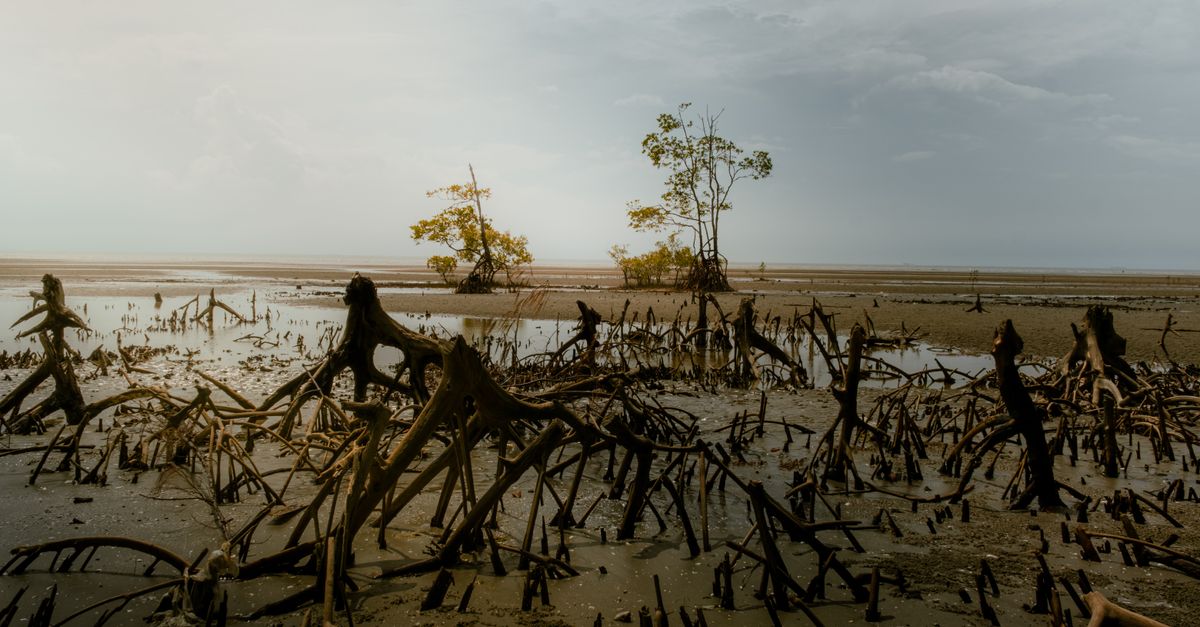
File photo — not from this news story. · See the original story's photos → · Photo: Ihsan Adityawarman / Pexels
📰 Daily News
Mangrove forests around the world are beginning to recover after centuries of damage from human activity
AI가 레벨별로 작성한 세계 뉴스 · World news, written by AI at each level
For many decades, mangrove forests suffered serious damage. Coastal swamps were drained and cleared for farms, fish ponds, and cities. Tropical storms and climate change made the situation worse. Scientists believed these forests might disappear forever. Today, however, the news is different.
Mangrove forests are making a surprising comeback in many parts of the world. Satellite images show that these wetlands are expanding again after years of loss. The recovery is real, measurable, and growing. This positive change offers hope for both nature and human communities.
Why are mangrove forests so important? These unique ecosystems provide many valuable services. They protect coastlines from powerful storms and rising sea levels. Young fish and shrimp use mangrove areas as nurseries, supporting the fishing industry. Perhaps most importantly, mangrove forests store massive amounts of carbon, making them critical tools in fighting climate change. They store more carbon per acre than any other forest type.
The recovery is happening because people recognized the danger and took action. Governments have created protected areas where mangroves cannot be cut down. Environmental organizations work with local communities to plant new trees and restore damaged areas. Fishermen and farmers are learning that healthy mangroves benefit them economically. When these forests thrive, fish populations increase, and storms cause less damage to homes and businesses.
This restoration effort is not easy or quick. It requires money, planning, and cooperation between many groups. Local knowledge is essential—people who live near these forests understand the environment better than anyone. Young people are joining the movement, planting trees and monitoring forest health. Scientists provide technical expertise, helping communities make decisions based on reliable data.
The mangrove story teaches us an important lesson. Environmental damage can be reversed when communities commit to change. The forests did not recover on their own—people made the difference. Restoration takes time and effort, but the results prove it is worth the investment. As these swamps expand, coastal communities become safer, wildlife populations grow, and our planet's climate improves.
Looking forward, the challenge is to maintain this momentum. Protecting existing mangrove forests remains as important as planting new ones. International cooperation helps ensure that policies support long-term recovery. Many scientists believe that with continued effort, mangrove forests will continue healing throughout the 21st century.
Inspired by reporting from BBC News.
📚 Vocabulary
mangrove
a type of tree that grows in coastal swamps and shallow salty water, with roots above the ground
얕은 염수에서 자라는 나무로, 뿌리가 땅 위에 노출되어 있고 해안 습지에 서식함
wetland
an area of land that is wet or swampy, often important for wildlife
젖어있거나 습지인 땅 영역, 야생동물에게 종종 중요함
ecosystem
a community of living things and their physical environment working together
함께 작동하는 생물과 그들의 물리적 환경의 공동체
restoration
the act of returning something to its original or better condition
무언가를 원래 상태 또는 더 나은 상태로 되돌리는 행위
expand
to become larger in size or area
크기 또는 면적이 더 커지다
carbon
a chemical element found in the air as carbon dioxide; important in climate change discussions
공기에서 이산화탄소로 발견되는 화학 원소; 기후 변화 논의에서 중요함
commitment
a strong promise or determination to do something
무언가를 하기로 한 강한 약속 또는 결심
momentum
the strength and speed of continuous progress or development
지속적인 진전이나 발전의 강도와 속도
Your next step
Step 1 · Free level test
Find your English level in about 12 minutes — free, no signup required.
Take the level test →
Step 2 · Free 30-minute class
Try one real class with Uncle J, free.
Book my free class →
Step 3 · Sign up free to get started ↓
전체 레슨을 보고 싶으세요?
Want the full lesson?
회화 연습, 역할극, 문법, 그리고 진짜 선생님이 안에 있어요.
Conversation practice, roleplay, grammar, and a real tutor are inside.