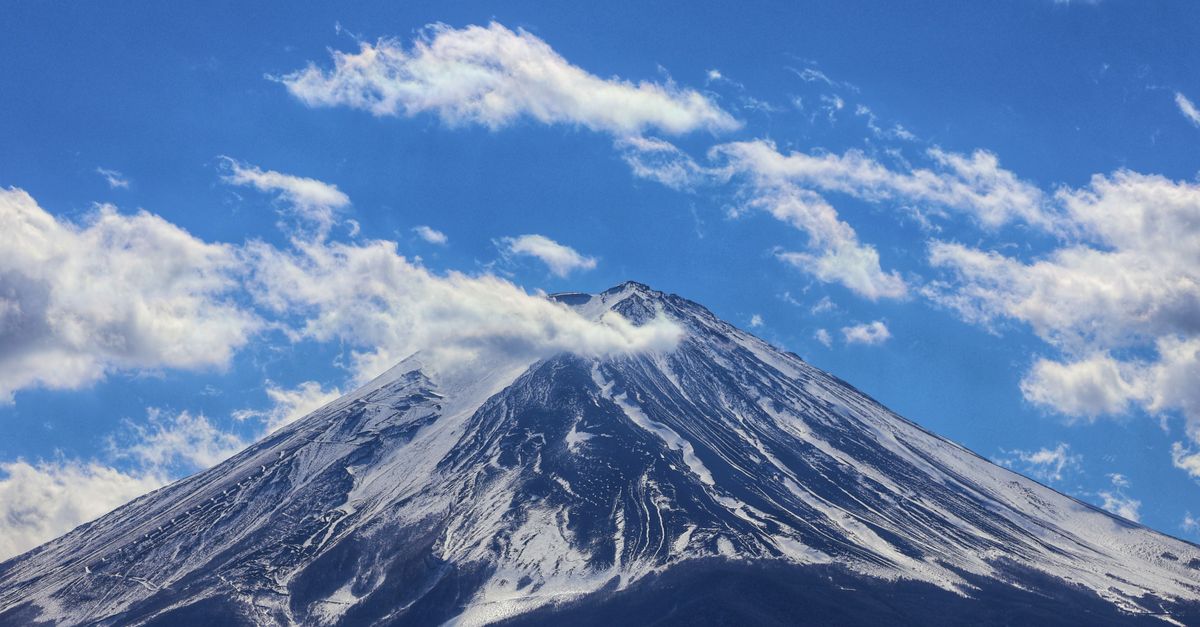
자료사진(기사 내용과 무관) · 원본 기사 사진 보기 → · Photo: Zaaran S / Pexels
📰 Daily News
후지산, 비수기 조난 등산객에 구조비 청구
Japan charges Mount Fuji hikers for off-season rescues
AI가 레벨별로 작성한 세계 뉴스 · World news, written by AI at each level
Imagine being lost on one of the world's most iconic mountains. The cold wind picks up. Your phone has no signal. You need help. In the future, if this happens to you on Mount Fuji during the off-season, rescue teams will still come. But you will receive a bill.
Japan has decided to charge hikers who need rescue during Mount Fuji's quieter months. The peak season—summer—will remain free. But from autumn through spring, lost hikers will pay for their rescue. The government hopes this policy will make climbers more cautious and prepared.
Why introduce this fee now? Mount Fuji attracts millions of visitors every year. Most come during the official climbing season, roughly July and August. During these months, many facilities are open. Trails are well-maintained. Rescue teams are fully staffed and ready. That's when the rescue service is free.
But the off-season is different. Fewer people climb. Some shelters close. Facilities become sparse. Rescue becomes harder and more expensive. When someone gets lost in winter, rescue teams must work in dangerous conditions. They spend more resources. They take more risks. The fee is meant to balance these costs and to discourage unnecessary rescues.
This approach reflects a philosophy gaining ground worldwide: personal responsibility. If you choose to hike in difficult conditions, you should prepare thoroughly. Bring the right equipment. Check the weather. Tell someone where you're going. Study the trail beforehand. These simple steps prevent most accidents.
Mountain rescue fees exist in other countries too. Some alpine regions in Europe charge hikers for rescue. The goal is the same: make people think carefully before they climb. When climbers know they might pay, they tend to be more responsible. They train harder. They plan better. They respect the mountain more.
Of course, genuine emergencies still happen to experienced, prepared hikers. A sudden storm. A twisted ankle on a safe trail. These are not failures of responsibility. The fee system usually allows for exceptions in true emergencies. The idea is to discourage reckless behavior—hiking unprepared, ignoring warnings, or taking dangerous shortcuts.
Mount Fuji is special in Japanese culture. It appears in art, poetry, and tradition for centuries. Climbing it is a dream for many Japanese and international visitors. Protecting the mountain and the people who climb it matters deeply. The rescue fee is one way to do that.
The policy also sends a message: mountains are not playgrounds. They deserve respect. They can be beautiful and peaceful, but they can also be harsh and unforgiving. When you enter a mountain, especially in difficult seasons, you enter a wild place. You accept that responsibility.
Have you ever climbed a mountain? Or do you know someone who has? What did they prepare before they went? The answer to that question might tell you whether a rescue fee policy would change their behavior—or whether they were already climbing wisely.
Inspired by reporting from BBC News.
📚 어휘
off-season
the quieter time of year when fewer people visit or use a place
관광객이나 이용객이 적은 시기
rescue
to save someone from danger or a difficult situation
위험이나 어려운 상황에서 누군가를 구하다
iconic
very famous and recognized as a symbol of something important
매우 유명하고 무언가 중요한 것의 상징으로 인정받는
maintain
to keep something in good condition; to take care of
무언가를 좋은 상태로 유지하다; 돌보다
responsibility
the duty or obligation to do something or take care of something
무언가를 하거나 돌볼 의무나 책임
policy
an official rule or plan of action made by a government or organization
정부나 조직이 만든 공식적인 규칙이나 행동 계획
sparse
thinly distributed or spread out; not dense or plentiful
드물게 퍼져있는; 조밀하지 않은; 풍부하지 않은
reckless
showing no care for danger or consequences; careless
위험이나 결과를 무시하는; 부주의한
다음 단계
1단계 · 무료 레벨 테스트
약 12분이면 내 영어 레벨을 확인할 수 있어요 — 무료, 회원가입 없이 가능해요.
레벨 테스트 하러 가기 →
2단계 · 무료 30분 수업
Uncle J와 진짜 수업을 무료로 한 번 체험해보세요.
무료 수업 신청하기 →
3단계 · 무료로 가입하고 시작하세요 ↓
전체 레슨을 보고 싶으세요?
Want the full lesson?
회화 연습, 역할극, 문법, 그리고 진짜 선생님이 안에 있어요.
Conversation practice, roleplay, grammar, and a real tutor are inside.