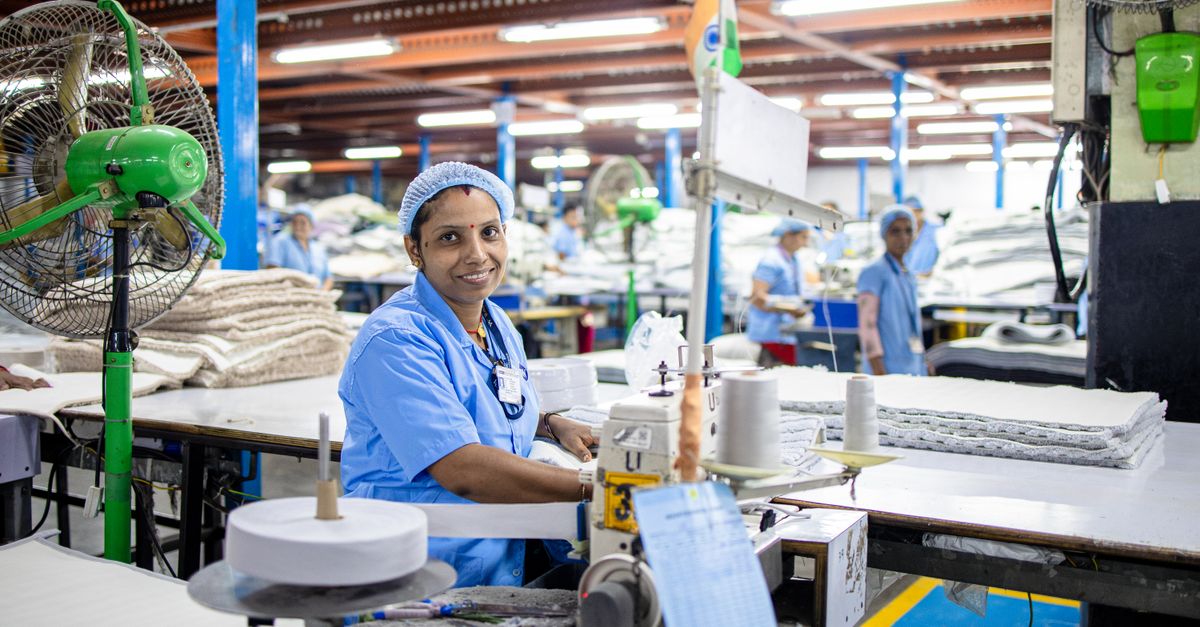
File photo — not from this news story. · See the original story's photos → · Photo: EqualStock IN / Pexels
📰 Daily News
Japanese firms move factories to India as China risks grow
AI가 레벨별로 작성한 세계 뉴스 · World news, written by AI at each level
Imagine a company that has made the same products in the same place for fifty years—then suddenly decides to start over somewhere completely new. That is happening right now across Japan.
Japanese businesses are making a major shift. They are taking money, factories, and workers out of China and Japan, and moving them to India. The reason is not complicated: Japan's own population is aging and shrinking, which means fewer customers at home. At the same time, doing business in China has become riskier—trade tensions, supply chain problems, and political uncertainty all play a role.
India looks attractive to these companies for several reasons. First, India has a young, growing population of nearly 1.5 billion people. That means more potential customers than Japan or even China. Second, India's economy is expanding fast. Companies want to be where growth is happening. Third, many countries—including the United States—prefer to buy from countries that are not China. India benefits from this trend.
This is not just a small investment. Major Japanese manufacturers in electronics, automobiles, and pharmaceuticals are all committing significant resources to India. Some are building new factories. Others are hiring thousands of engineers and managers. They are not abandoning China completely, but they are definitely reducing their exposure there.
For India, this is a huge opportunity. Foreign investment brings jobs, technology, and expertise. Indian workers gain experience in world-class manufacturing. The country's infrastructure improves. However, challenges remain. India still needs better roads, ports, and reliable electricity in many regions. Workers need more training. And competition from other countries—Vietnam, Thailand, Indonesia—is fierce.
The deeper story here is about how the global economy is reshaping itself. Decades of "made in China" are gradually shifting to a more diverse model: "made in India," "made in Vietnam," and so on. Japan is simply one of the first to move aggressively in this direction.
For you as an English learner, understanding this story matters because it explains why you hear so much news about India's economy now, and why companies from your own country might be opening offices or hiring locally. The world of business is not fixed—it changes with demographics, politics, and opportunity.
What would happen to your own country's economy if major companies started moving their headquarters and factories abroad? And would you consider working for a global company that might relocate you to a new country?
Inspired by reporting from BBC News.
📚 Vocabulary
shrinking
becoming smaller or fewer in size or amount over time
시간이 지나면서 크기나 양이 점점 작아지는
exposure
the state of being in contact with or affected by something risky or uncertain
위험하거나 불확실한 것에 노출되거나 영향을 받는 상태
demographics
information about the characteristics of a population, such as age, income, and size
인구의 특성에 관한 정보, 예를 들어 나이, 소득, 규모
commitment
a promise to do something or to devote time and resources to a goal
무언가를 하거나 목표를 위해 시간과 자원을 바치기로 한 약속
infrastructure
the basic physical systems and services a country or region needs to function, like roads, electricity, and ports
국가나 지역이 기능하기 위해 필요한 기본 물리 시스템과 서비스, 도로, 전기, 항구 등
expertise
deep knowledge and skill in a particular field or subject
특정 분야나 주제에 대한 깊은 지식과 기술
trade tensions
disagreements and conflicts between countries about buying and selling goods, often involving tariffs or restrictions
국가 간에 관세나 규제를 포함한 상품 매매에 대한 불일치와 갈등
potential
the possibility or capability for something to develop, grow, or succeed in the future
미래에 무언가가 발전, 성장, 성공할 수 있는 가능성이나 능력
Your next step
Step 1 · Free level test
Find your English level in about 12 minutes — free, no signup required.
Take the level test →
Step 2 · Free 30-minute class
Try one real class with Uncle J, free.
Book my free class →
Step 3 · Sign up free to get started ↓
전체 레슨을 보고 싶으세요?
Want the full lesson?
회화 연습, 역할극, 문법, 그리고 진짜 선생님이 안에 있어요.
Conversation practice, roleplay, grammar, and a real tutor are inside.