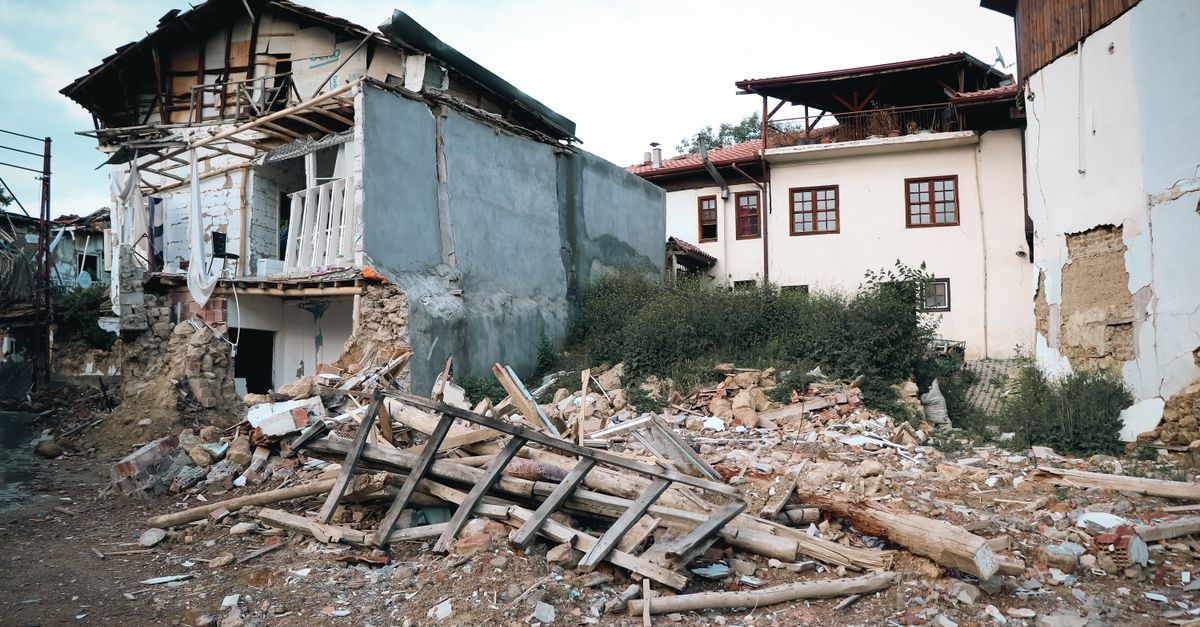
자료사진(기사 내용과 무관) · 원본 기사 사진 보기 → · Photo: Serkan Gönültaş / Pexels
📰 Daily News
일본 강진으로 13명 사망, 구조대 생존자 수색 중
Strong earthquake kills 13 in Japan as rescue teams search
AI가 레벨별로 작성한 세계 뉴스 · World news, written by AI at each level
The ground shakes. Buildings sway. In seconds, lives change forever. This is what happened when a strong earthquake struck Japan recently, reminding the world that nature's power can arrive without warning.
At least 13 people died in the disaster, and rescue teams worked urgently to find survivors trapped beneath rubble. Earthquakes are common in Japan—the country sits on the Pacific Ring of Fire, a region where the Earth's plates meet and collide. Because Japan experiences frequent seismic activity, the nation has built strict construction codes and trained its people well. Still, powerful earthquakes can overwhelm even the best preparation.
The damage spread quickly. Roads cracked and became dangerous. Bridges buckled under the force of the shaking. Railway networks that normally carry millions of commuters each day shut down completely. Hospitals and power stations faced damage, disrupting essential services. Thousands of people fled their homes, unsure if their buildings would collapse. Emergency shelters opened in community centers, schools, and other public spaces. These shelters provided food, water, and temporary safety for the displaced families.
Rescue operations became the top priority. Teams of firefighters, police officers, and volunteer rescuers fanned out across affected areas, listening for sounds of survivors and using dogs trained to detect human scent. Heavy machinery moved rubble carefully, always hoping to find people alive. International rescue teams also offered help, bringing equipment and expertise from around the world. The race against time continued, because the first 72 hours after a disaster are critical—survivors rescued within this window have much higher chances of recovery.
What makes Japan's response effective is its culture of disaster preparation. Schools run regular earthquake drills. Families keep emergency kits at home with water, food, and first-aid supplies. Neighborhoods have community disaster plans. Public buildings are reinforced to withstand strong shaking. Warning systems alert people seconds before major quakes arrive, though these seconds matter little when you are already in danger. Still, this preparation saves lives.
For the survivors and the families of those who died, recovery will take much longer than the earthquake itself. Rebuilding homes, restoring transportation, and healing emotional wounds require months or years. Japan has faced this cycle many times before, and the nation's resilience—its ability to bounce back—has become part of its identity.
Natural disasters remind us that we live on a dynamic planet. We cannot prevent earthquakes, but we can prepare for them, respond quickly, and support those affected. Japan's experience offers important lessons for every country: preparation, practice, and community care save lives.
Inspired by reporting from BBC News.
📚 어휘
seismic
related to earthquakes or the shaking of the Earth
지진이나 지구의 흔들림과 관련된
collide
to crash together with force; to meet head-on
힘을 가하고 부딪히다; 정면으로 만나다
displaced
forced to leave one's home due to emergency or disaster
긴급 상황이나 재난으로 인해 집을 떠나야 하는
resilience
the ability to recover quickly from difficulties; strength to bounce back
어려움에서 빠르게 회복하는 능력; 다시 일어나는 힘
disrupting
to interrupt or disturb the normal operation of something
무언가의 정상적인 작동을 중단하거나 방해하다
critical
extremely important; at a point where something is most dangerous or decisive
극도로 중요한; 가장 위험하거나 결정적인 시점에서의
reinforced
strengthened with additional support or material
추가 지지나 재료로 강화된
dynamic
constantly changing or active; full of energy and movement
계속 변하거나 활동적인; 에너지와 움직임이 가득한
다음 단계
1단계 · 무료 레벨 테스트
약 12분이면 내 영어 레벨을 확인할 수 있어요 — 무료, 회원가입 없이 가능해요.
레벨 테스트 하러 가기 →
2단계 · 무료 30분 수업
Uncle J와 진짜 수업을 무료로 한 번 체험해보세요.
무료 수업 신청하기 →
3단계 · 무료로 가입하고 시작하세요 ↓
전체 레슨을 보고 싶으세요?
Want the full lesson?
회화 연습, 역할극, 문법, 그리고 진짜 선생님이 안에 있어요.
Conversation practice, roleplay, grammar, and a real tutor are inside.