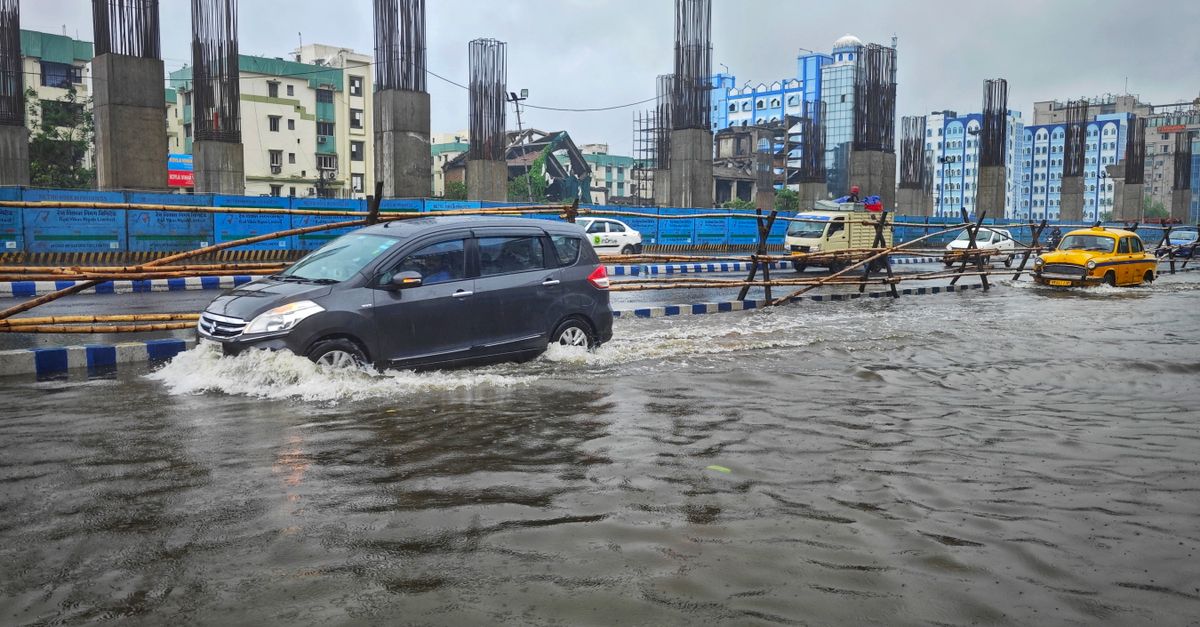
File photo — not from this news story. · See the original story's photos → · Photo: Dibakar Roy / Pexels
📰 Daily News
Assam floods destroy everything in worst disaster since 1960s
AI가 레벨별로 작성한 세계 뉴스 · World news, written by AI at each level
When the water comes, it takes everything. In Assam, a state in northeastern India, families know this truth too well. This year, the monsoon rains have brought floods so severe that regional officials are calling them the worst in six decades—since the 1960s. Yet flooding in Assam is not new. Every single year, when the rains arrive, communities brace for water. But 2024 is different. This time, the destruction feels absolute.
The Brahmaputra River, which flows through the heart of Assam, has swollen far beyond its normal limits. Villages lie underwater. Rice fields—the lifeblood of millions—are buried beneath muddy water. Animals drown. Roads vanish. People lose not just their homes, but their animals, their tools, their seeds for next year's crops. One survivor described the impact simply: "It took everything from us."
Why is this year so much worse? Experts point to unusually heavy rainfall across the region. Climate patterns have shifted in ways scientists are still studying. But the immediate effect is clear: families are homeless. Children cannot go to school. Farmers cannot plant or harvest. Businesses shut down. The economic damage will take months, even years, to repair.
What makes this crisis particularly difficult is that Assam's communities are already vulnerable. Many people live close to rivers because farming and fishing are their only income sources. When floods arrive, they have few places to go and few resources to rebuild. Governments do provide emergency aid—food, shelter, medical care—but the help often arrives slowly. By then, disease spreads. Hunger sets in. Desperation grows.
The people of Assam have survived countless floods before. They are resilient—they rebuild, they replant, they move forward. But resilience has limits. When disaster strikes harder and faster, communities that have already sacrificed so much begin to ask difficult questions: Is it safe to stay? Can we rebuild again? How many times can we lose everything?
As the floodwaters recede and the long recovery begins, Assam faces a choice. Short-term relief is urgent and necessary. But long-term solutions—better early warning systems, improved infrastructure, support for communities to relocate safely—these matter too. The people of Assam deserve more than temporary help. They deserve genuine change.
Inspired by reporting from BBC News.
📚 Vocabulary
monsoon
a season of very heavy rain in tropical regions
열대 지역에서 매년 같은 시기에 주기적으로 내리는 많은 양의 비
vulnerable
easily hurt or damaged; in a weak position
쉽게 상처받거나 손상될 수 있는; 약한 입장에 있는
resilient
able to recover quickly from difficulties
어려움에서 빠르게 회복할 수 있는 능력이 있는
infrastructure
basic systems and facilities like roads, water, electricity that a society needs
도로, 물, 전기 같이 사회가 필요로 하는 기본 시설과 설비
recede
to move back or become less; to retreat
뒤로 물러나다; 줄어들다
desperation
a state of hopelessness and urgency; extreme need
절망감과 긴급함의 상태; 극도의 필요
swollen
enlarged or puffed up; larger than normal
부어오른; 평소보다 커진
lifeblood
something essential to the survival or success of a person or community
사람이나 공동체의 생존 또는 성공에 필수적인 것
Your next step
Step 1 · Free level test
Find your English level in about 12 minutes — free, no signup required.
Take the level test →
Step 2 · Free 30-minute class
Try one real class with Uncle J, free.
Book my free class →
Step 3 · Sign up free to get started ↓
전체 레슨을 보고 싶으세요?
Want the full lesson?
회화 연습, 역할극, 문법, 그리고 진짜 선생님이 안에 있어요.
Conversation practice, roleplay, grammar, and a real tutor are inside.