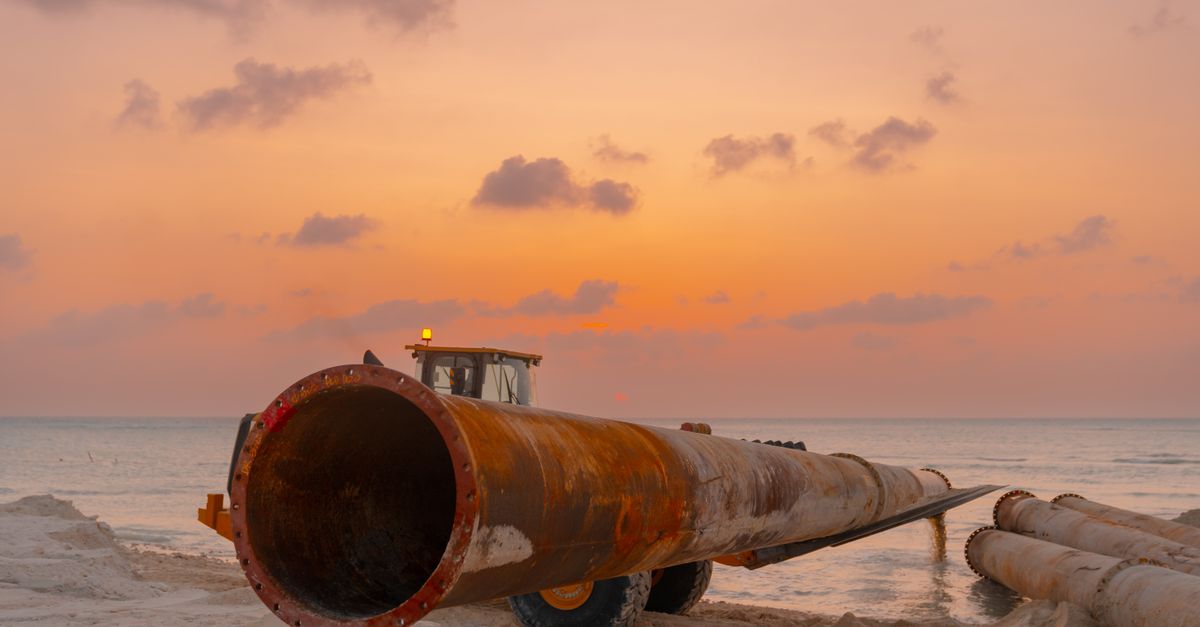
자료사진(기사 내용과 무관) · 원본 기사 사진 보기 → · Photo: Asad Photo Maldives / Pexels
📰 Daily News
인도의 인터넷 붐, 해저 케이블에 걸려 있다
India's internet boom depends on fragile undersea cables
AI가 레벨별로 작성한 세계 뉴스 · World news, written by AI at each level
Have you ever wondered how your internet actually reaches your phone or computer? Here's something surprising: most of it travels through cables buried deep under the ocean.
India's internet boom is one of the fastest in the world. The country now has over 900 million internet users—nearly two-thirds of its entire population. But this explosive growth rests on something fragile and hidden: a network of underwater cables that connect India to the rest of the world.
These cables carry nearly all of India's international data. They bring information from servers in other countries, carry video streams, move business files, and handle billions of digital transactions every single day. Without them, India's digital economy would simply stop.
Here's where the problem becomes interesting. At least thirteen of India's eighteen intercontinental cables come ashore within six kilometres of one beach—Versova Beach, near Mumbai. That means most of the country's international internet traffic is funnelled through a tiny coastal zone. It's like having eighteen highways, but thirteen of them converge at the same narrow road.
Why is this a problem? Imagine if one incident damaged several cables at once. A ship anchor, an underwater earthquake, or construction work could potentially cut multiple lines of communication. If that happened, millions of Indians could suddenly lose their connection to international data, banking services, and business networks. The impact would be massive.
The concentration also creates another risk: it makes this area an attractive target for anyone who wants to disrupt India's digital infrastructure. Protecting one small beach is far easier than protecting cables spread across different locations.
Experts say India needs to diversify—spread these cables across more landing points along the country's long coastline. Some new cables are already being built to different ports, which is a step in the right direction. But the process is slow, and the growth of internet users is fast.
This situation mirrors a challenge many growing nations face: rapid digital expansion often outpaces the infrastructure planning needed to support it safely. India's story is not unique, but it does highlight something important: the internet we depend on every day is built on physical systems that can fail.
So here's a thought: when you next stream a video or send a message across the world, remember that it probably traveled through a cable on the ocean floor. And if you live in India or work in its digital economy, that cable might have touched down at Versova Beach.
Inspired by reporting from BBC News.
📚 어휘
intercontinental
connecting or travelling between different continents
서로 다른 대륙을 연결하거나 대기 사이를 여행하는
infrastructure
the basic physical systems and facilities needed for an area to work (roads, cables, power plants, etc.)
지역이 기능하기 위해 필요한 기본적인 물리적 시스템과 시설
diversify
to spread or vary something across different areas or types to reduce risk
위험을 줄이기 위해 다양한 지역이나 유형에 걸쳐 퍼뜨리다
cluster
a group of similar things growing or positioned close together
유사한 것들이 가깝게 모여 있는 집단
friction point
an area or situation where problems or conflicts are likely to occur
문제나 충돌이 일어날 가능성이 높은 영역이나 상황
explosive
growing or increasing very rapidly and dramatically
매우 빠르고 극적으로 성장하거나 증가하는
mitigate
to reduce the severity or seriousness of a problem
문제의 심각성이나 심각도를 줄이다
transaction
an exchange of money, goods, or information between two parties
두 당사자 간의 돈, 물품 또는 정보의 교환
다음 단계
1단계 · 무료 레벨 테스트
약 12분이면 내 영어 레벨을 확인할 수 있어요 — 무료, 회원가입 없이 가능해요.
레벨 테스트 하러 가기 →
2단계 · 무료 30분 수업
Uncle J와 진짜 수업을 무료로 한 번 체험해보세요.
무료 수업 신청하기 →
3단계 · 무료로 가입하고 시작하세요 ↓
전체 레슨을 보고 싶으세요?
Want the full lesson?
회화 연습, 역할극, 문법, 그리고 진짜 선생님이 안에 있어요.
Conversation practice, roleplay, grammar, and a real tutor are inside.