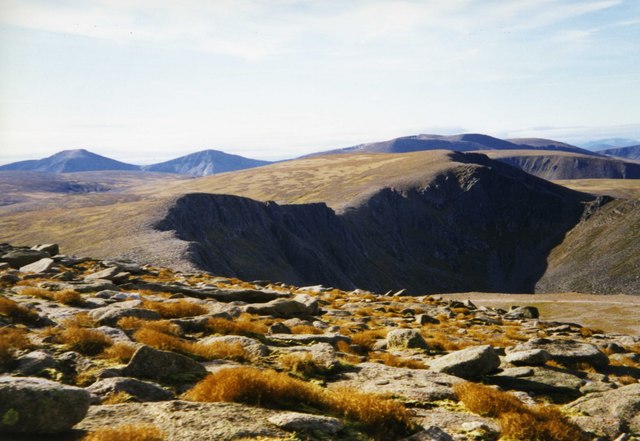
자료사진(기사 내용과 무관) · 원본 기사 사진 보기 → · Photo: wfmillar / Wikimedia Commons
📰 Daily News
스코틀랜드의 사나운 고양이, 번식 프로젝트로 복귀 중
Scotland's wildcat rescue mission brings fierce hunters back
AI가 레벨별로 작성한 세계 뉴스 · World news, written by AI at each level
A wild cat is prowling through the Scottish Highlands, and that is exactly what conservationists hoped to see. For decades, wildcats nearly vanished from Scotland completely. Today, one partnership is working hard to bring them back.
Wildcats are not the same as house cats. They are larger, stronger, and fiercer. A Scottish wildcat has a stocky build, thick fur, and a distinctive striped pattern. Their temperament is wild—they refuse to be tamed, even from birth. In the past, they roamed freely across Scotland's forests and moorlands. Hunters, habitat loss, and disease gradually pushed them toward extinction.
The Saving Wildcats partnership is the main organization fighting to reverse this trend. Their strategy involves careful breeding in captivity. Experts select healthy wildcats and breed them under controlled conditions. This work requires patience and skill. Every kitten is monitored closely to ensure good health. Scientists study their genetics to keep the population strong and diverse.
Once the cats reach adulthood, conservationists prepare them for release. The Cairngorms National Park has become the primary location for this groundbreaking project. The Cairngorms offer vast forests, few people, and plenty of prey—ideal conditions for wildcats to thrive. Before release, the cats receive training and health checks. Experts also study the landscape to find the safest spots for each animal.
The release itself is a delicate moment. A wildcat is transported to its new home and given time to adjust. Conservationists then track the animal using GPS technology and cameras. This monitoring reveals vital information: Do the cats find enough food? Are they staying in the protected area? Do they interact with other wildlife safely? Early results have been encouraging. Some released wildcats have adapted well and even started families of their own.
Of course, challenges remain. Wildcats can sometimes interbreed with feral house cats, which weakens the wild population genetically. Diseases pose another threat. Roads and human activity still damage their habitat. Despite these obstacles, the partnership refuses to give up. They continue to breed, monitor, and release—one cat at a time, rebuilding Scotland's wildcat community.
This project reminds us that extinction is not always the final word. With dedication and science, we can restore what was nearly lost. Scotland's wildcats are a symbol of nature's resilience and humanity's power to repair our relationship with the wild.
What do you think—is it worth the effort and cost to save a single species like this? Could similar projects work in other countries?
Inspired by reporting from BBC News.
📚 어휘
conservationist
a person who works to protect and preserve nature and wildlife
자연과 야생동물을 보호하고 보존하는 일을 하는 사람
extinction
the permanent disappearance of a species or type of animal from Earth
종 또는 동물이 지구에서 영구적으로 사라지는 것
captivity
the state of being kept in a confined space, not in the wild
자연이 아닌 제한된 공간에 갇혀 있는 상태
habitat
the natural home or environment where an animal lives
동물이 사는 자연 서식지 또는 환경
interbreed
to breed or reproduce between two different types or species
두 가지 다른 종류나 종 사이에서 번식하다
resilience
the ability to recover or bounce back from difficulty or damage
어려움이나 손상에서 회복할 수 있는 능력
moorland
open hilly land with low plants and few trees, common in Scotland
낮은 식물과 나무가 거의 없는 언덕이 많은 열린 땅, 스코틀랜드에서 흔함
groundbreaking
completely new and innovative; never done before in this way
완전히 새롭고 혁신적인; 이런 방식으로 전에 해본 적 없는
다음 단계
1단계 · 무료 레벨 테스트
약 12분이면 내 영어 레벨을 확인할 수 있어요 — 무료, 회원가입 없이 가능해요.
레벨 테스트 하러 가기 →
2단계 · 무료 30분 수업
Uncle J와 진짜 수업을 무료로 한 번 체험해보세요.
무료 수업 신청하기 →
3단계 · 무료로 가입하고 시작하세요 ↓
전체 레슨을 보고 싶으세요?
Want the full lesson?
회화 연습, 역할극, 문법, 그리고 진짜 선생님이 안에 있어요.
Conversation practice, roleplay, grammar, and a real tutor are inside.