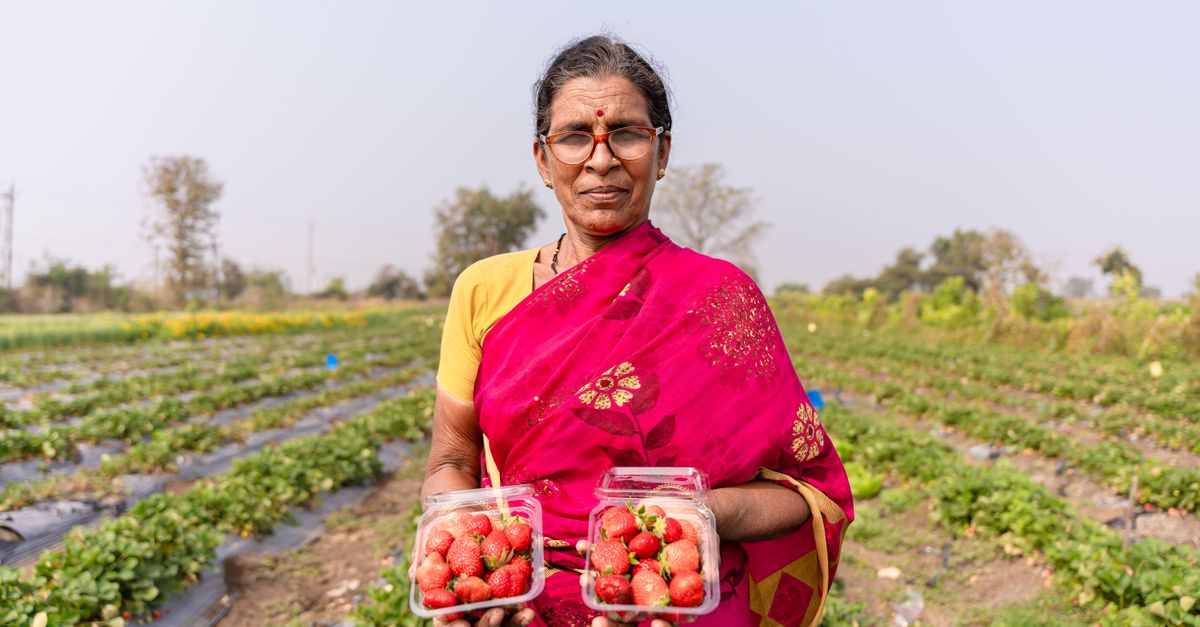
File photo — not from this news story. · See the original story's photos → · Photo: EqualStock IN / Pexels
📰 Daily News
India grows homegrown strawberries to break free from imports
AI가 레벨별로 작성한 세계 뉴스 · World news, written by AI at each level
Did you know that India produces strawberries, but almost none of them are truly Indian? It sounds strange, but it is true. Most Indian strawberry farmers plant seeds and seedlings that come from the United States or Europe. These imported varieties grow well, but they depend on foreign science and foreign companies. Now that is starting to change.
India wants to develop its own strawberry varieties. This is not just about pride or tradition. Local varieties would be better suited to India's climate, soil, and growing conditions. They would also cost less money for farmers, since they would not need to import seeds every season. The government and research scientists see this as a path to make India a real strawberry power in the world.
The challenge is real, though. Creating a new fruit variety takes time and patience. Scientists must test many different plants, watch them grow through many seasons, and carefully measure which ones produce the best fruit. They look for plants that are strong against disease, that give large harvests, and that taste good. It can take five to ten years or even longer to develop one successful variety.
India has some advantages in this race. The country has a long history of agriculture and many skilled farmers. It also has research centers with modern laboratories and equipment. Scientists there are already working with strawberry genetics and breeding new plants. They are studying which traits work best in hot, dry climates—something European and American varieties were never designed to handle.
If Indian scientists succeed, the benefits could be large. Strawberry farming would become cheaper and more reliable for Indian growers. Local varieties might also taste different or have different nutritional qualities. More Indian people could afford to buy strawberries. The country might even begin to export strawberries to other nations, bringing money into farming communities. What started as a simple need—a fruit that truly belongs to India—could grow into something much bigger.
The real question is not whether India can do this. It is whether Indian farmers and scientists will work together to see it through. Do you think countries should always try to develop their own crop varieties, or is it better to use what works, no matter where it comes from?
Inspired by reporting from BBC News.
📚 Vocabulary
imported
brought into a country from another country
다른 나라에서 국내로 들여온
suited
appropriate or well-matched for a particular purpose or place
특정 목적이나 장소에 적합한
genetics
the study of how traits pass from parents to children in living things
살아있는 것들에서 특성이 부모에서 자식으로 어떻게 전해지는지 연구하는 학문
breeding
the practice of selecting and growing plants or animals to produce new varieties with desired qualities
원하는 특성을 가진 새로운 품종을 만들기 위해 식물이나 동물을 선택하고 기르는 것
trait
a characteristic or quality that something has
무언가가 가진 특성이나 성질
climate
the usual weather conditions in a place over a long time
오랜 시간에 걸쳐 어떤 장소의 평상시 날씨 조건
reliable
able to be trusted; working or happening in a consistent, predictable way
믿을 수 있는; 일관되고 예측 가능한 방식으로 작동하거나 발생하는
nutritional
relating to food and how the body uses it for health and energy
음식과 신체가 건강과 에너지를 위해 음식을 어떻게 사용하는지와 관련된
Your next step
Step 1 · Free level test
Find your English level in about 12 minutes — free, no signup required.
Take the level test →
Step 2 · Free 30-minute class
Try one real class with Uncle J, free.
Book my free class →
Step 3 · Sign up free to get started ↓
전체 레슨을 보고 싶으세요?
Want the full lesson?
회화 연습, 역할극, 문법, 그리고 진짜 선생님이 안에 있어요.
Conversation practice, roleplay, grammar, and a real tutor are inside.