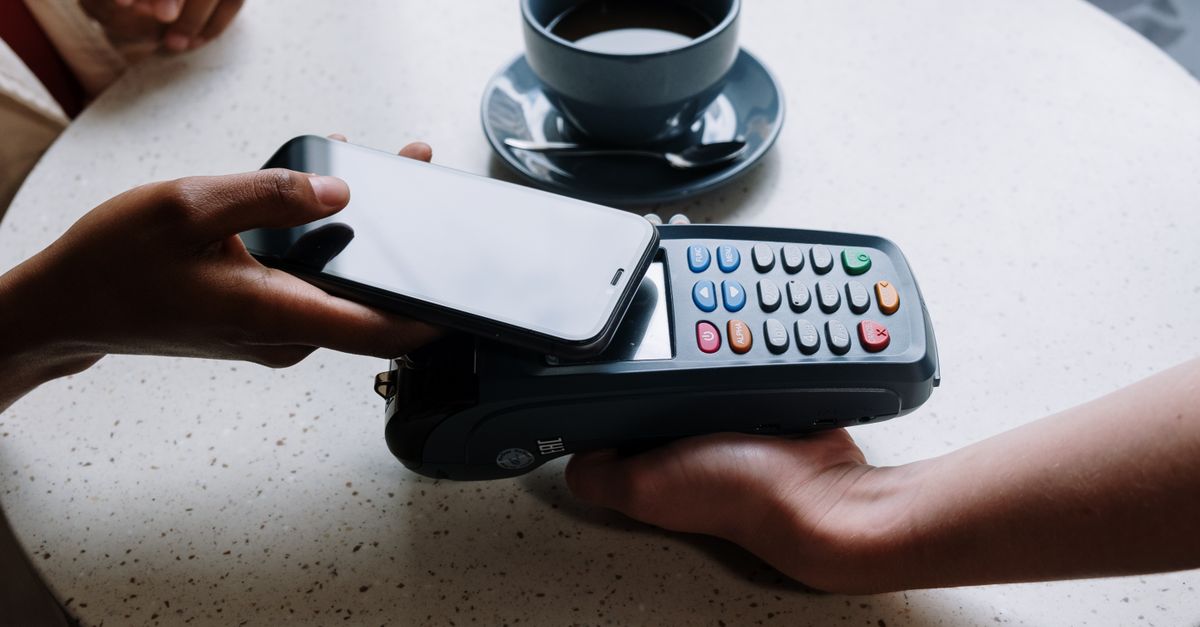
자료사진(기사 내용과 무관) · 원본 기사 사진 보기 → · Photo: cottonbro studio / Pexels
📰 Daily News
인도의 디지털 결제 시스템, 세계 어느 곳보다 많은 거래 처리
India's digital payment system processes more transactions than Earth's rivals
AI가 레벨별로 작성한 세계 뉴스 · World news, written by AI at each level
Imagine a world where you can send money to anyone, anywhere, in seconds—with almost no fee. For millions of Indians, this is not imagination. It is daily life.
India's UPI system (Unified Payments Interface) has become something remarkable. It processes more transactions than any other digital payment network on Earth. In a single day, Indians move money through UPI millions of times. A farmer buys seeds. A student pays for lunch. A shop owner settles a bill. All happen instantly, with costs so low they barely matter.
This speed and simplicity changed India's economy. Before UPI, making payments was slow and expensive. Now it is fast and cheap. Millions of Indians who never had a bank account can now participate in the modern economy. This is a genuine revolution.
But here is the interesting part: nothing is free forever. UPI's low fees work because the system was built differently from payment networks in other countries. Banks and payment processors absorbed most costs, hoping to profit later through other services. The government supported the system as a tool for financial inclusion. For years, this model worked.
Now, however, the economics are shifting. The system has grown so large that the costs of running it have grown too. Transaction volumes have exploded. The infrastructure needs upgrades. Merchants—the shop owners, restaurants, and businesses that receive payments—may soon face charges for processing UPI transactions. This is the question: who will pay the bill?
If merchants pay more, they might pass those costs to customers through higher prices. If customers start paying fees, will they resist? Will people stop using UPI? The system thrives because it feels free and effortless. Add friction—add costs—and behavior might change.
India now faces a delicate puzzle. The nation built something the world admires: a payment system that truly serves millions of ordinary people. But success created a new problem. How do you keep such a system running and growing without breaking the trust that made it popular in the first place?
Inspired by reporting from BBC News.
📚 어휘
transaction
an exchange of money or goods between two people or groups
두 사람이나 집단 사이의 돈이나 물품의 거래
infrastructure
the basic systems and facilities needed to run a country, city, or organization
나라, 도시, 조직을 운영하기 위해 필요한 기본 시스템과 시설
inclusion
the act of including people who were previously left out of a system or service
이전에 제외되었던 사람들을 시스템이나 서비스에 포함시키는 행위
absorb
to take in or accept something, especially costs or losses
특히 비용이나 손실을 받아들이다
friction
resistance or difficulty that makes something harder to do or use
무언가를 더 어렵게 하는 저항이나 어려움
delicate
requiring careful handling; easily damaged or complicated
조심스러운 취급이 필요한; 쉽게 손상되거나 복잡한
effortless
requiring no effort; easy and natural
노력이 필요 없는; 쉽고 자연스러운
participation
the act of taking part in or joining something
무언가에 참여하거나 가입하는 행위
다음 단계
1단계 · 무료 레벨 테스트
약 12분이면 내 영어 레벨을 확인할 수 있어요 — 무료, 회원가입 없이 가능해요.
레벨 테스트 하러 가기 →
2단계 · 무료 30분 수업
Uncle J와 진짜 수업을 무료로 한 번 체험해보세요.
무료 수업 신청하기 →
3단계 · 무료로 가입하고 시작하세요 ↓
전체 레슨을 보고 싶으세요?
Want the full lesson?
회화 연습, 역할극, 문법, 그리고 진짜 선생님이 안에 있어요.
Conversation practice, roleplay, grammar, and a real tutor are inside.