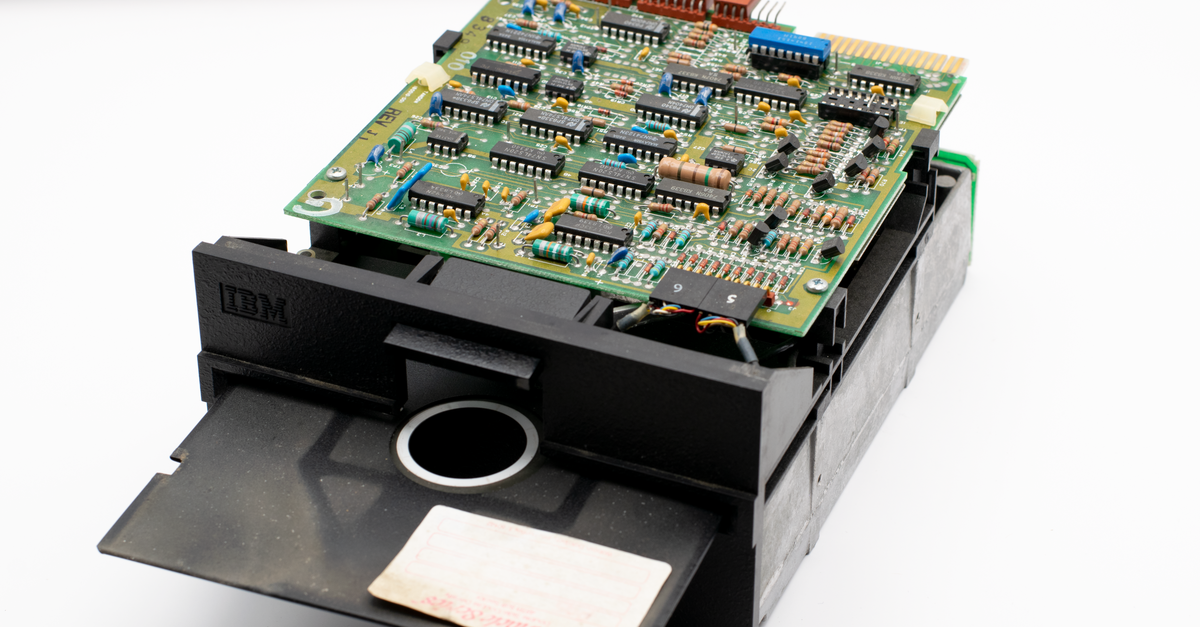
자료사진(기사 내용과 무관) · 원본 기사 사진 보기 → · Photo: Nicolas Foster / Pexels
📰 Daily News
IBM, 칩 부품을 수직으로 쌓아 더 많은 성능 담다
IBM stacks chip components vertically to fit more power
AI가 레벨별로 작성한 세계 뉴스 · World news, written by AI at each level
Imagine a city where buildings get smaller and smaller, yet hold more and more people. That is what IBM just achieved—but with computer chips instead of apartment buildings.
The technology company announced a major achievement this week. IBM has designed a new chip structure that is smaller than 1 nanometre. To put this in perspective, a nanometre is one billionth of a meter. This breakthrough matters because computer chips have been getting smaller for decades. Smaller chips mean computers can be faster, use less power, and fit into smaller devices.
The new design works like a vertical apartment complex. Instead of spreading components side by side on a flat surface, IBM stacked them upward. This clever arrangement allows more computing power to fit into the same physical space. Engineers call this approach "3D" design. The company believes this method could become standard in the future.
However—and this is important—the chip is not ready for actual use yet. IBM has proven the concept works in theory and in laboratory tests. But moving from theory to reality takes time and money. The company estimates it may take several more years before these ultra-tiny chips appear in smartphones, laptops, or other devices you use every day. Manufacturing challenges remain significant. Creating chips at this scale requires extreme precision and specialized equipment.
Why does this matter for you? Faster, smaller chips could transform technology. Your phone might run multiple demanding programs at once without slowing down. Battery life could extend dramatically. New types of computers might become possible. Medical devices could become more portable and powerful. The potential applications are genuinely exciting.
Other technology companies are also racing to develop smaller chips. Intel, Samsung, and TSMC—a major Taiwanese manufacturer—are all investing billions of dollars in this competition. IBM's announcement shows that progress is accelerating. The race to create tinier, more powerful chips is heating up.
This is one of those moments where science and business collide. IBM's engineers have solved a difficult puzzle. But the real challenge now is transforming laboratory success into mass production. That process typically takes years of testing and refinement.
What excites you most about this technology? Would you prefer a phone with a battery that lasts three days? Or a laptop that never gets hot? Or something completely different? The chip revolution might make all of these possible—eventually.
Inspired by reporting from BBC News.
📚 어휘
breakthrough
a sudden, important discovery or development that solves a difficult problem
어렵던 문제를 해결하는 갑작스러운, 중요한 발견이나 발전
nanometre
a unit of measurement equal to one billionth of a meter, used for very small things
미터의 10억 분의 1에 해당하는 측정 단위, 매우 작은 것을 측정할 때 사용
vertical
standing upright; going straight up and down
수직으로 서 있는; 위아래로 곧게 뻗어 있는
stacked
placed one thing on top of another in a neat pile
한 가지를 다른 것 위에 깔끔하게 쌓아올린
precision
the quality of being exact and accurate
정확하고 세밀함의 특성
accelerating
speeding up; moving faster or happening more quickly
더 빨라지는; 더 빨리 움직이거나 더 빨리 일어나는
transform
to change something completely into something different or better
무언가를 완전히 다르거나 더 나은 것으로 바꾸다
mass production
making large quantities of the same product in factories for commercial sale
상업 판매를 위해 공장에서 같은 제품을 대량으로 생산하는 것
다음 단계
1단계 · 무료 레벨 테스트
약 12분이면 내 영어 레벨을 확인할 수 있어요 — 무료, 회원가입 없이 가능해요.
레벨 테스트 하러 가기 →
2단계 · 무료 30분 수업
Uncle J와 진짜 수업을 무료로 한 번 체험해보세요.
무료 수업 신청하기 →
3단계 · 무료로 가입하고 시작하세요 ↓
전체 레슨을 보고 싶으세요?
Want the full lesson?
회화 연습, 역할극, 문법, 그리고 진짜 선생님이 안에 있어요.
Conversation practice, roleplay, grammar, and a real tutor are inside.