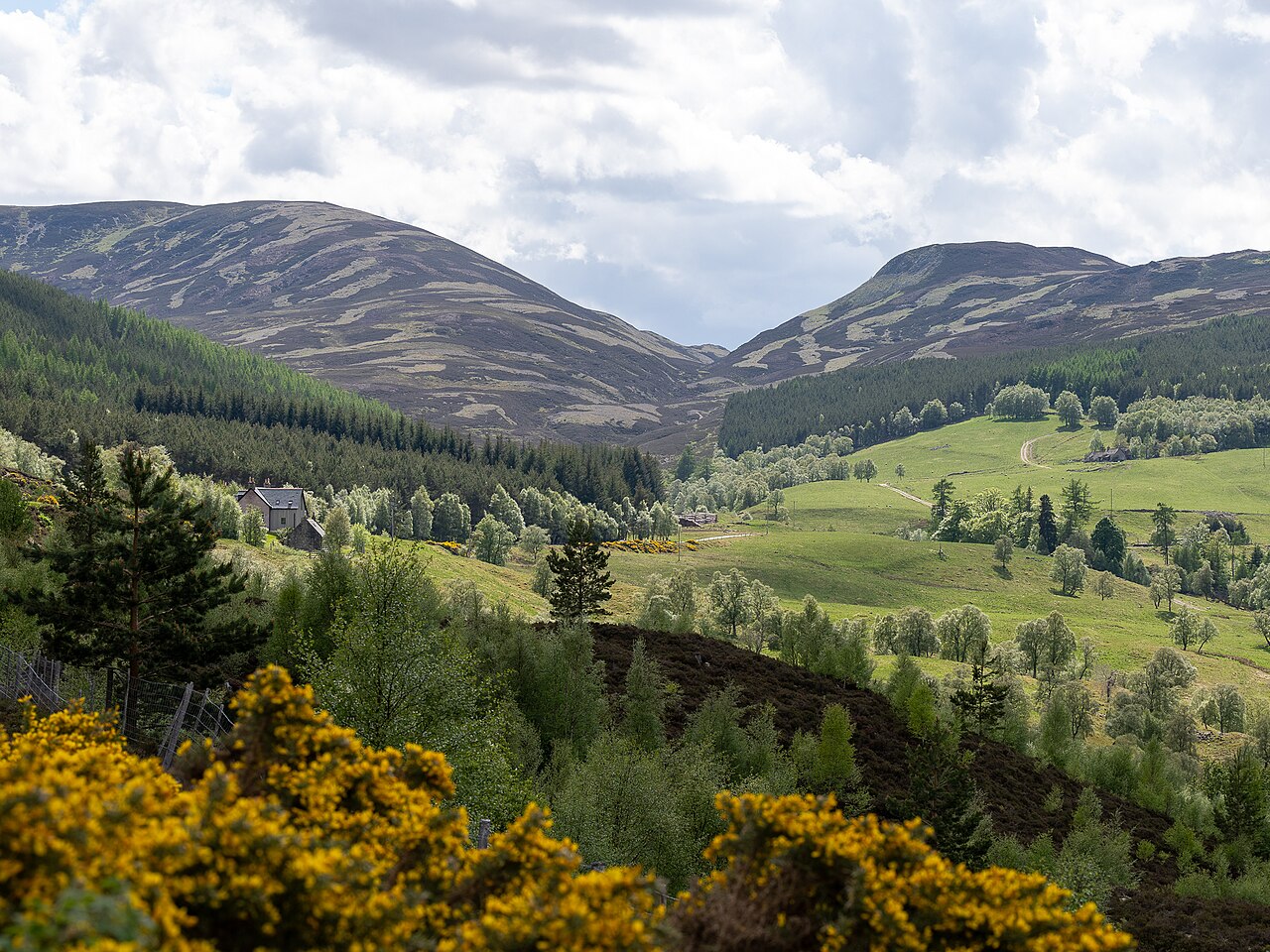
File photo — not from this news story. · See the original story's photos → · Photo: Thomas Andy Branson / Wikimedia Commons
📰 Daily News
Drones spot hidden fires smoldering under Scottish mountains
AI가 레벨별로 작성한 세계 뉴스 · World news, written by AI at each level
When a fire burns in the wilderness, you might think the danger ends when the visible flames disappear. But beneath the ground, an invisible danger can still lurk for weeks. This is exactly what happened after a massive wildfire swept through the Cairngorms in Scotland last July.
The Cairngorms is a mountain range in northern Scotland, famous for its dramatic landscapes and wild beauty. In July, a huge wildfire destroyed thousands of acres there. Firefighters worked hard to control the flames, and eventually, the visible fire died down. People hoped the crisis was over. But scientists knew better.
Underground fires are real and persistent. Peat—a dark, rich soil made from ancient plants—covers much of the Cairngorms. When peat burns, it often continues smoldering beneath the surface for a very long time. These hidden fires are dangerous because they can suddenly reignite, spread to new areas, or harm wildlife and water supplies. The problem is simple: you cannot see these fires, so you cannot easily find them.
That is where thermal drones come in. These are not ordinary cameras. Thermal drones detect heat instead of light. They fly over burned areas and capture images that show where the ground is still hot. Warmer areas appear bright on the screen, while cooler areas look dark. Scientists can then identify exactly where underground fires are still burning—information that would be impossible to gather on foot.
The work sounds like science fiction, but it is practical and necessary. After the July fire, researchers deployed thermal drones over the Cairngorms to map all the hot spots. The drones revealed that even though the landscape looked calm and dark from ground level, numerous areas beneath the soil were still extremely hot. This data helped firefighters and environmental teams decide where to focus their efforts. They could then use water and other methods to cool the most dangerous zones and prevent new fires from erupting.
Peat fires are becoming more common. Climate change means hotter, drier conditions—perfect for fire to start and spread. Places like Scotland are learning that fighting wildfire is not just about the dramatic moment when flames rage across the hillside. It is also about the patient, invisible work of hunting down and stopping the fires that hide underground long after the smoke clears.
The next time you hear about a wildfire being "under control," you might wonder: what is still burning that we cannot see? In the Cairngorms, thermal drones now have the answer.
Inspired by reporting from BBC News.
📚 Vocabulary
lurk
to hide or remain out of sight, often in a dangerous way
숨어 있다, 특히 위험한 방식으로
persist
to continue despite difficulty or opposition
계속되다, 어려움에도 불구하고 지속되다
peat
dark, crumbly soil made from partially decomposed plants, found in wetlands
습지에서 발견되는, 부분적으로 분해된 식물로 만든 어두운 흙
smolder
to burn slowly without flame, producing smoke
불꽃 없이 천천히 타다, 연기를 내며
thermal
relating to heat or temperature
열이나 온도와 관련된
deploy
to send or position something in a particular place for a specific purpose
특정 목적을 위해 어딘가에 배치하다
erupt
to suddenly burst out or break through; to suddenly start or appear
갑자기 터져 나오다, 돌연히 시작되다
practical
suitable for actual use; effective in real situations
실제 사용에 적합한, 실질적인
Your next step
Step 1 · Free level test
Find your English level in about 12 minutes — free, no signup required.
Take the level test →
Step 2 · Free 30-minute class
Try one real class with Uncle J, free.
Book my free class →
Step 3 · Sign up free to get started ↓
전체 레슨을 보고 싶으세요?
Want the full lesson?
회화 연습, 역할극, 문법, 그리고 진짜 선생님이 안에 있어요.
Conversation practice, roleplay, grammar, and a real tutor are inside.