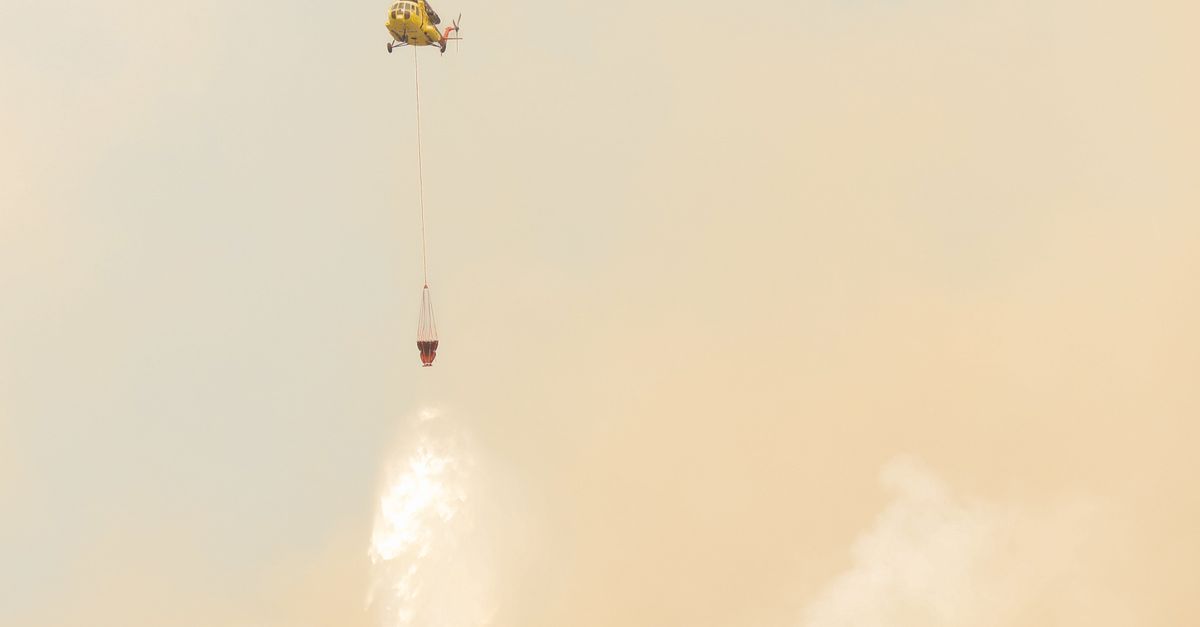
File photo — not from this news story. · See the original story's photos → · Photo: Aydın Photography / Pexels
📰 Daily News
Australia blends ancient Indigenous fire wisdom with modern tech
AI가 레벨별로 작성한 세계 뉴스 · World news, written by AI at each level
Imagine a fire so massive it turns the sky orange at midday. For decades, Australia has battled this reality. But in recent years, something remarkable has shifted. Scientists and fire experts are now combining modern technology with knowledge that Indigenous Australians have used for tens of thousands of years—and the results are powerful.
For most of the twentieth century, Australia's approach to wildfire was straightforward: stop every fire as quickly as possible. But this created a dangerous problem. Dead leaves, fallen branches, and dry grass piled up on the forest floor. When fire finally came, it burned with devastating intensity, destroying everything in its path. Homes vanished. Communities disappeared. The fires were too strong to control.
Indigenous Australians, by contrast, used controlled, low-intensity burns for thousands of years. These small, purposeful fires cleared the dangerous buildup of dead plant material. They moved slowly and stayed cool—cool enough that animals could escape, and trees could survive. The forest became healthier, more resilient. Fire remained, but it was managed and predictable.
Today, Australia is reviving this wisdom. Fire managers now use satellite data and computer models to identify exactly where controlled burns should happen. Drones fly over forests to measure fuel loads—the amount of dead material on the ground. Weather sensors provide real-time information. But the decision-making itself draws on Indigenous fire knowledge. Local Aboriginal communities guide when and how these controlled burns take place. Their understanding of the land, passed down through generations, proves invaluable.
The results speak for themselves. In regions where this combined approach has been implemented, catastrophic wildfires have become less frequent and less severe. The forest survives. So do the people who live nearby. State governments in Australia have begun formally partnering with Indigenous fire practitioners, recognizing their expertise as essential, not supplementary.
Europe, currently facing some of its worst fire seasons on record, is watching closely. Climate change is making wildfires more intense and unpredictable across the globe. Nations are scrambling to develop new strategies. Australia's model offers hope: the future of fire management may not be about choosing between ancient wisdom and modern science. It may be about bringing them together.
Inspired by reporting from BBC News.
📚 Vocabulary
resilient
able to recover quickly from difficulty; strong enough to bounce back
어려움에서 빠르게 회복할 수 있는; 충격을 견디고 다시 돌아오는 힘이 있는
intensity
the strength or severity of something; how powerful or extreme it is
무언가의 강도나 심각함; 얼마나 강력하거나 극단적인지
devastating
causing severe damage or destruction; extremely harmful or shocking
심각한 손상이나 파괴를 일으키는; 매우 해롭거나 충격적인
fuel load
the amount of dead plant material, branches, and leaves available to burn in a forest
숲에서 타울 수 있는 죽은 식물 재료, 가지, 낙엽의 양
implement
to put a plan or system into action; to make something actually happen
계획이나 시스템을 실행에 옮기다; 무언가를 실제로 일어나게 하다
supplementary
added to something else to make it complete; additional but not primary
무언가를 완전하게 만들기 위해 더해지는; 추가적이지만 주된 것이 아닌
catastrophic
involving sudden, extreme damage or failure; disastrous on a massive scale
갑작스럽고 극단적인 손상이나 실패를 포함하는; 대규모의 재앙
formally
in an official or ceremonial way; according to official rules or procedures
공식적이거나 의식적인 방식으로; 공식적인 규칙이나 절차에 따라
Your next step
Step 1 · Free level test
Find your English level in about 12 minutes — free, no signup required.
Take the level test →
Step 2 · Free 30-minute class
Try one real class with Uncle J, free.
Book my free class →
Step 3 · Sign up free to get started ↓
전체 레슨을 보고 싶으세요?
Want the full lesson?
회화 연습, 역할극, 문법, 그리고 진짜 선생님이 안에 있어요.
Conversation practice, roleplay, grammar, and a real tutor are inside.