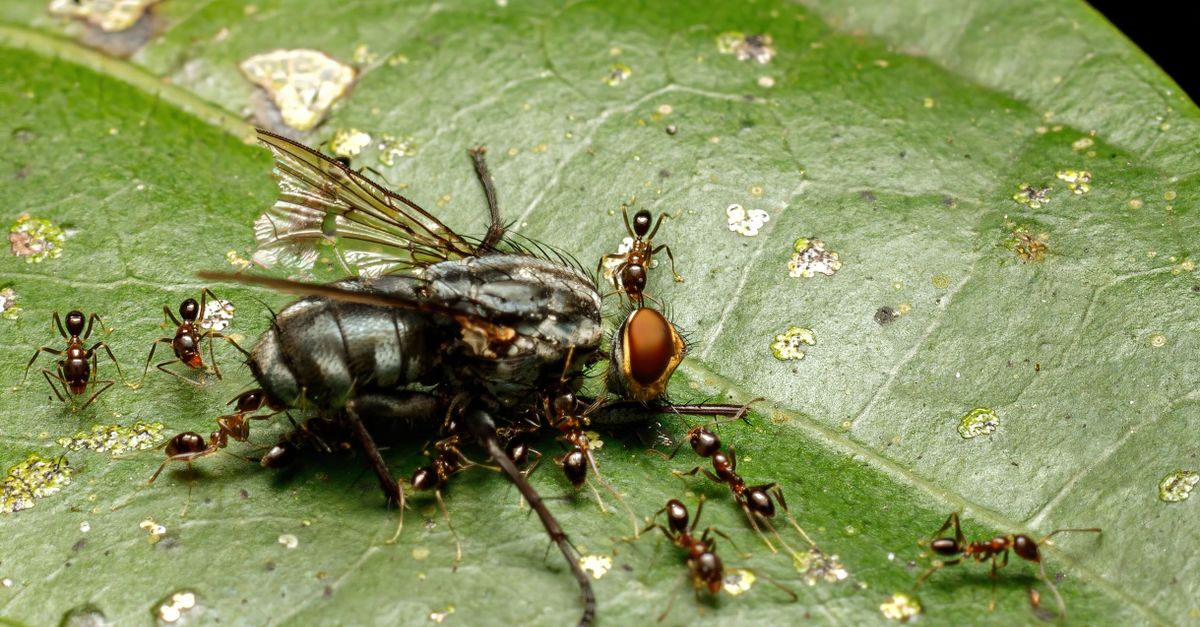
자료사진(기사 내용과 무관) · 원본 기사 사진 보기 → · Photo: cassius cardoso / Pexels
📰 Daily News
날개 달린 개미 수백만 마리, '플라잉 앤트 데이'에 하늘을 덮다
Millions of winged ants swarm the sky on Flying Ant Day
AI가 레벨별로 작성한 세계 뉴스 · World news, written by AI at each level
Imagine opening your window on a summer morning and seeing thousands of tiny insects with wings filling the air. This scene has a name: Flying Ant Day. But here's the surprising part — it isn't really one day at all.
Flying Ant Day is actually a natural event that happens many times throughout the summer. It isn't a calendar date. Instead, it's when male ants and young female ants grow wings and leave their colonies to find mates. These ants emerge at different times in different places, so the "day" stretches across weeks or even months.
Why do ants do this? Deep underground, ant colonies are crowded and warm. When conditions are just right — usually warm weather and high humidity — the colony produces winged ants. These young ants are ready to mate. They fly out into the air, meet ants from other colonies, and start new families. After mating, the females lose their wings and begin building fresh colonies. The males, their job finished, die after a few days.
What makes this event so noticeable? Simple: lots of ants flying at the same time creates a visible phenomenon. Birds know this is a feast. People notice clouds of insects. But the timing changes depending on location and weather. A warm, humid day in June in one city might trigger a flying event. In another city just miles away, it might not happen until August. This is why the "day" isn't really a single day across the whole country.
The name "Flying Ant Day" became popular in Britain, where warm summers bring consistent waves of these emergences. Social media has made it even more famous — people share photos and videos of their local flying ant swarms. But now we understand the truth: nature doesn't follow a calendar. It follows temperature, humidity, and the needs of the colony. Flying ants emerge whenever and wherever conditions feel right to them.
This teaches us something interesting about nature: what looks like a dramatic single event is often a slow, spreading pattern playing out across time and space. The same colony might send out fliers multiple times in one summer. Other colonies nearby might do it on completely different dates. Mother Nature works on her own schedule, not ours.
Have you ever seen a swarm of flying ants where you live? What time of year did it happen, and how long did it last? Next summer, you might watch for this invisible event — and realize it's happening all around you, not just on one special day.
Inspired by reporting from BBC News.
📚 어휘
phenomenon
a fact or event that is noticeable and often surprising or unusual
주목할 만한, 자주 놀랍거나 드문 사실이나 사건
colony
a group of insects or animals living and working together
함께 살고 일하는 곤충이나 동물의 집단
humidity
the amount of moisture or water vapor in the air
공기 중의 수분이나 수증기의 양
trigger
to cause something to start or happen
무언가가 시작되거나 일어나게 하다
emergence
the process of coming out from a hidden or enclosed place
숨겨지거나 막힌 곳에서 나오는 과정
swarm
a large group of insects moving together
함께 움직이는 큰 곤충 무리
schedule
a plan that shows when something will happen
무언가가 언제 일어날지 보여주는 계획
mate
to come together for producing offspring; to breed
자손을 낳기 위해 함께 만나다; 번식하다
다음 단계
1단계 · 무료 레벨 테스트
약 12분이면 내 영어 레벨을 확인할 수 있어요 — 무료, 회원가입 없이 가능해요.
레벨 테스트 하러 가기 →
2단계 · 무료 30분 수업
Uncle J와 진짜 수업을 무료로 한 번 체험해보세요.
무료 수업 신청하기 →
3단계 · 무료로 가입하고 시작하세요 ↓
전체 레슨을 보고 싶으세요?
Want the full lesson?
회화 연습, 역할극, 문법, 그리고 진짜 선생님이 안에 있어요.
Conversation practice, roleplay, grammar, and a real tutor are inside.