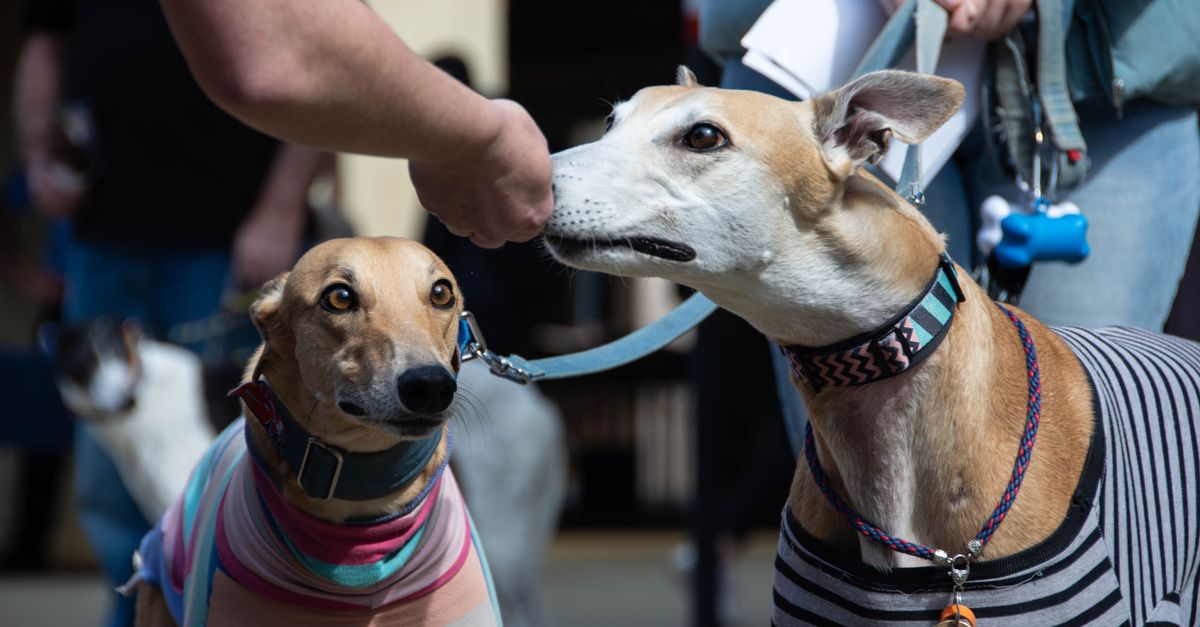
File photo — not from this news story. · See the original story's photos → · Photo: Mao Won / Pexels
📰 Daily News
New Zealand bans greyhound racing, dogs fly to Australia
AI가 레벨별로 작성한 세계 뉴스 · World news, written by AI at each level
What happens to racing dogs when their sport is no longer allowed? This question just became very real for New Zealand's greyhound community.
New Zealand has officially banned greyhound racing. This decision marks a major shift in how the country views animal sports. As the ban takes effect, racing greyhounds face an uncertain future. But instead of ending their careers, many dogs are heading somewhere new: Australia.
According to reports, at least two special flights are being organized to transport greyhounds across the Tasman Sea. These chartered planes will carry up to 150 dogs to Australia's eastern states. The dogs will move from racing tracks in New Zealand to racing venues in Australia, where greyhound racing remains legal and popular.
The move raises interesting questions about animal welfare and the global racing industry. When one country closes its doors to a sport, the animals and businesses don't simply disappear. Instead, they often migrate to places where the activity is still permitted. This pattern happens in many industries, not just racing. Workers, equipment, and in this case, living animals relocate to continue their work.
For greyhound lovers and industry professionals, this relocation represents both an ending and a beginning. The dogs will experience long flights and new surroundings. They will race on different tracks with different rules. Some may thrive in their new home. Others may struggle with the change.
The situation also highlights a broader conversation about animal sports regulation. Different countries make different choices about what activities they allow. New Zealand decided greyhound racing no longer fits its values. Australia has made a different decision. Both countries are operating within their own legal systems and cultural beliefs.
What's particularly noteworthy is how quickly the industry adapted. Rather than watch greyhounds retire or face uncertain fates, operators arranged international transport. This shows how interconnected modern animal industries have become. A ban in one nation doesn't end the sport—it simply moves it somewhere else.
For observers of animal welfare, the situation is complex. Is it better for greyhounds to continue racing in Australia, where they have a purpose and care structure, than to face an unknown retirement in New Zealand? Or should the focus be on ending the sport entirely? There are no easy answers, and thoughtful people disagree.
As these dogs board their flights, they carry with them not just their racing history but also this bigger debate about animals, sport, and how different societies choose to live.
Inspired by reporting from BBC News.
📚 Vocabulary
charter
to rent a vehicle or aircraft for a specific purpose
특정 목적을 위해 비행기나 배를 임차하다
ban
an official rule that stops something from happening
무언가를 하지 못하도록 하는 공식 규칙
relocate
to move to a new place
새로운 장소로 이동하다
venue
a place where an event or activity happens
행사나 활동이 일어나는 장소
welfare
the health, safety, and happiness of a person or animal
사람이나 동물의 건강, 안전, 행복
thrive
to grow strong and successful
강하고 성공적으로 자라다
interconnected
linked or joined together in a complex way
복잡한 방식으로 연결되어 있는
noteworthy
important or interesting enough to pay attention to
주의를 기울일 만한 가치가 있는 중요하거나 흥미로운
Your next step
Step 1 · Free level test
Find your English level in about 12 minutes — free, no signup required.
Take the level test →
Step 2 · Free 30-minute class
Try one real class with Uncle J, free.
Book my free class →
Step 3 · Sign up free to get started ↓
전체 레슨을 보고 싶으세요?
Want the full lesson?
회화 연습, 역할극, 문법, 그리고 진짜 선생님이 안에 있어요.
Conversation practice, roleplay, grammar, and a real tutor are inside.