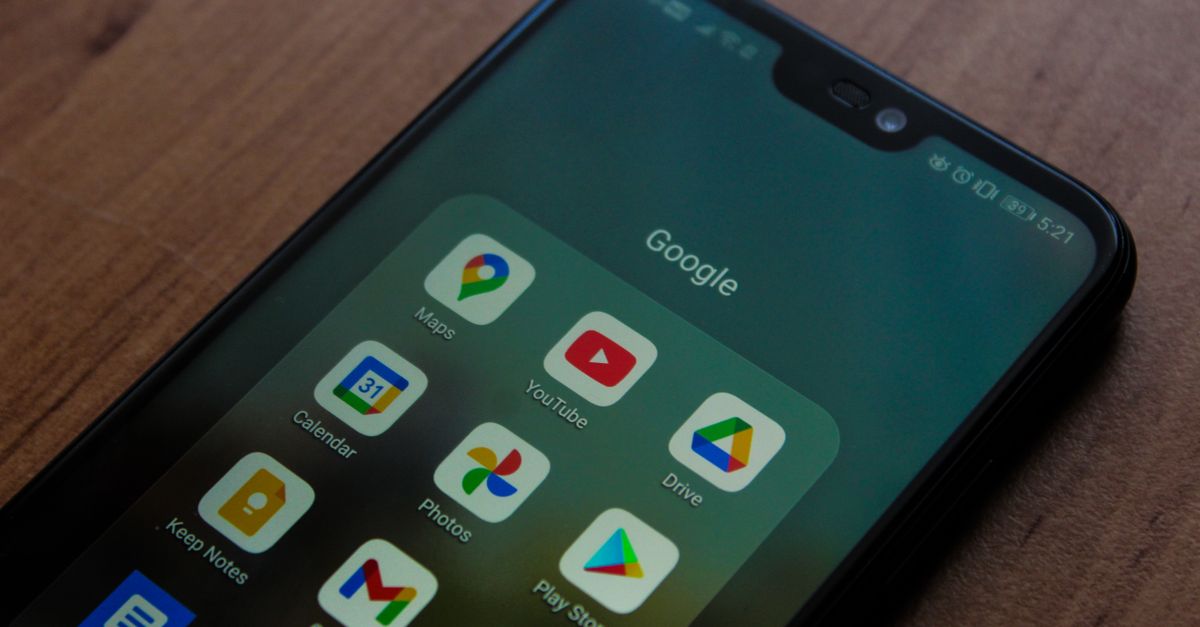
File photo — not from this news story. · See the original story's photos → · Photo: Czapp Árpád / Pexels
📰 Daily News
Google ordered to pay €4.1bn for blocking Android rivals
AI가 레벨별로 작성한 세계 뉴스 · World news, written by AI at each level
Imagine building a phone and discovering you cannot use certain apps because one company controls the entire system. This is the question at the heart of a major ruling in Europe.
Google has received a significant fine—€4.1 billion—for how it manages Android, the operating system that powers most of the world's smartphones. A European court decided that Google used Android to block smaller companies from competing fairly in the mobile market. The judges believed Google abused its position as the dominant player.
Here is how the situation developed. Android is free software that Google created. Many phone manufacturers use it because it costs nothing. However, the court found that Google required these manufacturers to install Google's own apps—like its search engine and YouTube—in very prominent positions. This made it difficult for rival companies to reach customers. Smaller competitors could not get the same visibility, even if their products were better or cheaper.
Google argues the ruling misunderstands their strategy. A company representative explained that Google invests heavily to keep Android open and available. They say Android remains the most customizable operating system for phones. Google also points out that manufacturers can choose different versions of Android and add their own apps. According to Google, their approach actually encourages innovation, not prevents it.
The European Union has been increasingly watchful of how large technology companies conduct business. This fine is one part of a larger pattern. Over the past few years, regulators in Europe have challenged Google, Meta, and Apple on various practices. They worry that these giants use their size and control to push out smaller rivals. European officials believe that fair competition benefits consumers—it gives people more choices and often lower prices.
For Google, the stakes are high. The company can appeal this decision. However, the ruling signals that regulators believe the rules must change. Some experts think Google may need to redesign how Android works. Others predict this could inspire similar cases in other countries.
The broader lesson is striking: even the most powerful companies now face real limits. Governments are saying that size and success do not give a company the right to control what customers can access. This tension between innovation and fair competition will likely shape technology for years to come.
What do you think? When a company builds something popular, should it be allowed to set all the rules—or should regulators step in to protect smaller competitors?
Inspired by reporting from BBC News.
📚 Vocabulary
dispute
to disagree with or challenge something; to say something is not true
의견이 다르다; 무언가가 사실이 아니라고 주장하다
dominant
most powerful or most important; having the most control or influence
가장 강력한; 가장 영향력 있는
regulate
to make and enforce rules about how something operates; to control officially
규칙을 만들고 집행하다; 공식적으로 통제하다
visibility
the state of being able to be seen or noticed; the degree to which something attracts attention
눈에 띄는 정도; 주목받는 정도
innovation
a new idea, method, or product; the act of creating something new
새로운 아이디어, 방법, 제품; 새로운 것을 만드는 행위
abuse
to treat someone or something badly or unfairly; to use power in a wrong way
나쁘거나 부정하게 대우하다; 권력을 잘못 사용하다
rival
a person or company competing against another; a competitor
경쟁자; 라이벌
customizable
able to be changed or adapted to meet personal needs or preferences
개인의 필요나 선호에 맞게 변경할 수 있는
Your next step
Step 1 · Free level test
Find your English level in about 12 minutes — free, no signup required.
Take the level test →
Step 2 · Free 30-minute class
Try one real class with Uncle J, free.
Book my free class →
Step 3 · Sign up free to get started ↓
전체 레슨을 보고 싶으세요?
Want the full lesson?
회화 연습, 역할극, 문법, 그리고 진짜 선생님이 안에 있어요.
Conversation practice, roleplay, grammar, and a real tutor are inside.