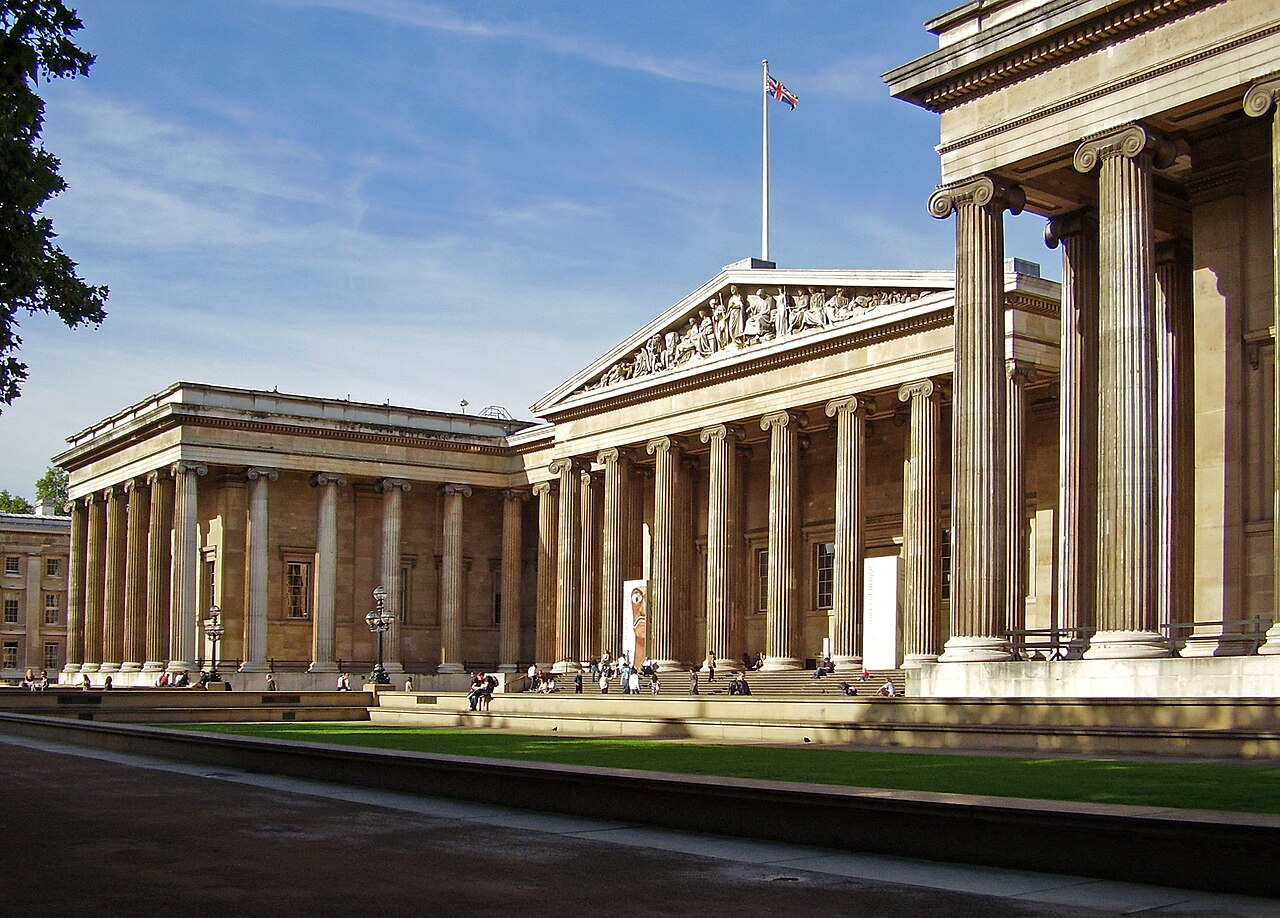
File photo — not from this news story. · See the original story's photos → · Photo: Ham / Wikimedia Commons
📰 Daily News
70 million museum objects go online this year
AI가 레벨별로 작성한 세계 뉴스 · World news, written by AI at each level
Imagine holding a 300-year-old fossil in your hands—without ever leaving your bedroom. That future is becoming real right now.
British museums are launching one of the world's largest digital collections. Over 70 million specimens will be scanned, photographed, and uploaded to the internet. These objects come from more than 100 museums across the United Kingdom. The project is called the Collections Trust Initiative, and it represents an extraordinary effort to preserve and share human knowledge.
What makes this project so remarkable is the sheer variety of what's being digitized. You can expect to find golden beetles, medieval manuscripts, dinosaur bones, ancient coins, and yes—some of Charles Darwin's original field notes and specimens. These are objects that have shaped our understanding of nature, history, and science itself. Many of them are so fragile that handling them in person would damage them. Putting them online protects them while making them accessible to millions of people.
The project began as a response to a simple problem: most museum visitors only see a tiny fraction of what their institution actually owns. A typical museum displays perhaps 5 percent of its collection. The rest sits in climate-controlled storage rooms, known only to specialists and researchers. Digitization changes that equation entirely. Now a student in Seoul can study a rare manuscript held in Manchester. A researcher in Tokyo can analyze specimens from London's natural history collection without buying a plane ticket.
Digitizing such an enormous archive is no small task. Museum staff must photograph each object, write descriptions, add historical context, and organize everything into searchable databases. The work requires both technical skill and deep expertise. Some items are incredibly delicate. Others are so large they require special equipment to document properly. The process costs money and takes time—but the benefit lasts forever. Digital records don't decay. They don't fade. They can be copied and shared infinitely.
The initiative also recognizes something important: museums are not just buildings with walls. They are repositories of collective memory. In a world where knowledge travels instantly online, it seems almost cruel to keep these treasures locked away. Opening them up democratizes access to culture and science. It means that young people everywhere—not just wealthy travelers who can afford museum visits—can engage with objects that have survived centuries.
Of course, questions remain. How will the project be funded as it grows? How will museums ensure that digital descriptions are accurate and useful? What happens when cultural artifacts become available worldwide—issues of heritage and respect come into play. But the underlying impulse feels right: knowledge should travel. History should be discoverable. Wonder should be free.
The first collections are already online. Within the next few years, the full 70 million objects will be searchable from anywhere on Earth. So what draws you to museums? Are you the type who reads every placard, or do you wander and see what catches your eye? And now that you could explore a world-class collection from your sofa, what would you want to discover first?
Inspired by reporting from BBC News.
📚 Vocabulary
digitize
to convert something into digital form so it can be stored and shared on computers
종이나 물건을 컴퓨터 파일로 바꾸는 것
specimen
a single example of something, especially in science or nature collections
과학이나 자연 수집에서 하나의 예시가 되는 물건
fragile
easily broken or damaged; delicate
쉽게 깨지거나 손상되는; 연약한
repository
a place where many things are stored or collected; a collection
많은 것들을 저장하거나 모아두는 장소; 저장소
accessible
easy to reach, use, or understand
쉽게 도달하거나 사용하거나 이해할 수 있는
democratize
to make something available or open to all people, not just a few
무언가를 모든 사람에게 이용 가능하게 만드는 것
preserve
to keep something safe and in good condition for the future
미래를 위해 무언가를 안전하고 좋은 상태로 유지하는 것
initiative
a new project or plan to improve or change something
무언가를 개선하거나 바꾸기 위한 새로운 계획이나 프로젝트
Your next step
Step 1 · Free level test
Find your English level in about 12 minutes — free, no signup required.
Take the level test →
Step 2 · Free 30-minute class
Try one real class with Uncle J, free.
Book my free class →
Step 3 · Sign up free to get started ↓
전체 레슨을 보고 싶으세요?
Want the full lesson?
회화 연습, 역할극, 문법, 그리고 진짜 선생님이 안에 있어요.
Conversation practice, roleplay, grammar, and a real tutor are inside.