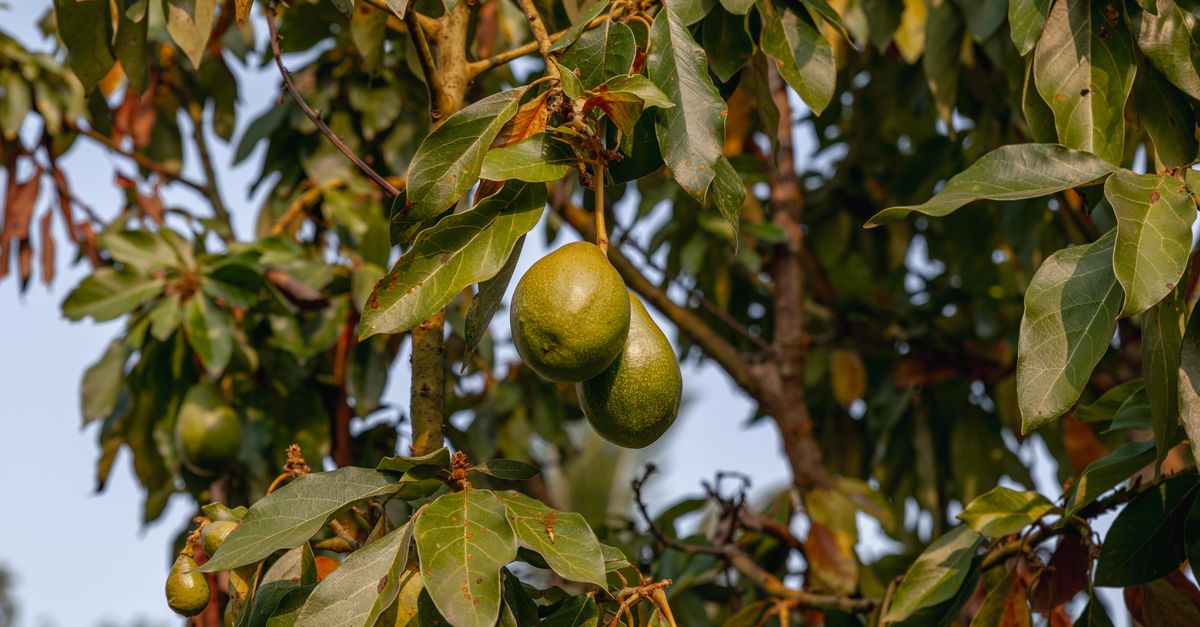
File photo — not from this news story. · See the original story's photos → · Photo: Roman Saienko / Pexels
📰 Daily News
India's avocado goes from 'dog fruit' to trendy superfood
AI가 레벨별로 작성한 세계 뉴스 · World news, written by AI at each level
Imagine a fruit so strange to your country that people give it an insulting nickname. In India, that fruit was the avocado. Not long ago, most Indians had never tasted one. Some called it the "dog fruit" because they believed only animals should eat it. Today? That same fruit is becoming one of India's hottest food trends.
The shift happened quietly at first. Young professionals in Indian cities began discovering avocado toast in coffee shops. Fitness enthusiasts learned that avocados are packed with healthy fats and nutrients. Social media users started posting photos of creamy green slices on their plates. What was once exotic and strange suddenly felt modern and desirable.
Farmers noticed the change. They saw growing demand in supermarkets and restaurants. What was once impossible to sell became profitable to grow. Some Indian states, particularly in the southern and western regions, began experimenting with avocado farming. The climate worked. The soil worked. The market wanted more.
But here's the interesting part: India still imports most of its avocados. The local farming industry is young and small. Growers face real challenges. They must learn new farming techniques suited to avocado trees. They need investment in irrigation and equipment. They compete with established producers in Mexico, Indonesia, and other countries. Yet many believe the opportunity is enormous. "India's population is massive," farming experts say. "If even a small percentage of Indians eat avocados regularly, local growers could build a huge industry."
The transformation of the avocado in India tells us something important about food and culture. What seems normal in one place can seem completely foreign in another. But tastes change. Young people travel and discover new foods. Restaurants introduce new ingredients. Social media shows us how people in other parts of the world eat. Gradually, the unfamiliar becomes familiar. The rejected becomes desired.
So the next time you eat an avocado, remember: it might have traveled thousands of miles to reach your plate. Or in India's case, it might soon be grown in a field not far from where you live. What food do you think will become the next big trend in your own country?
Inspired by reporting from BBC News.
📚 Vocabulary
boom
a sudden, rapid increase or period of rapid growth in business, demand, or activity
급격한 증가; 사업이나 수요가 급속도로 늘어나는 시기
exotic
unusual, interesting, or attractive because it comes from a distant or unfamiliar place
낯설고 흥미로운; 먼 곳이나 잘 모르는 곳에서 온 것처럼 보이는
profession | professionally
a type of job that requires training and special skills; working in a skilled or expert manner
전문 교육과 기술이 필요한 직업; 숙련되고 전문적인 방식으로 일하는 것
irrigation
the supply of water to land or crops through artificial channels and systems
인공 수로나 시스템을 통해 땅이나 작물에 물을 공급하는 것
compete
to try to win or be better than others in a contest or struggle
경쟁에서 이기거나 다른 것보다 더 나아지려고 노력하다
investment
money or resources put into something with the hope of getting a profit or return in the future
미래에 이익을 얻을 목적으로 돈이나 자원을 투자하는 것
establish | established
to create, set up, or make permanent; having existed for a long time and being well-known or accepted
만들다, 세우다, 정착시키다; 오래되었고 잘 알려진
gradual | gradually
happening slowly over time, not suddenly or all at once
천천히, 점진적으로 일어나는 것; 한 번에 일어나지 않고 시간이 지나면서 일어나는
Your next step
Step 1 · Free level test
Find your English level in about 12 minutes — free, no signup required.
Take the level test →
Step 2 · Free 30-minute class
Try one real class with Uncle J, free.
Book my free class →
Step 3 · Sign up free to get started ↓
전체 레슨을 보고 싶으세요?
Want the full lesson?
회화 연습, 역할극, 문법, 그리고 진짜 선생님이 안에 있어요.
Conversation practice, roleplay, grammar, and a real tutor are inside.