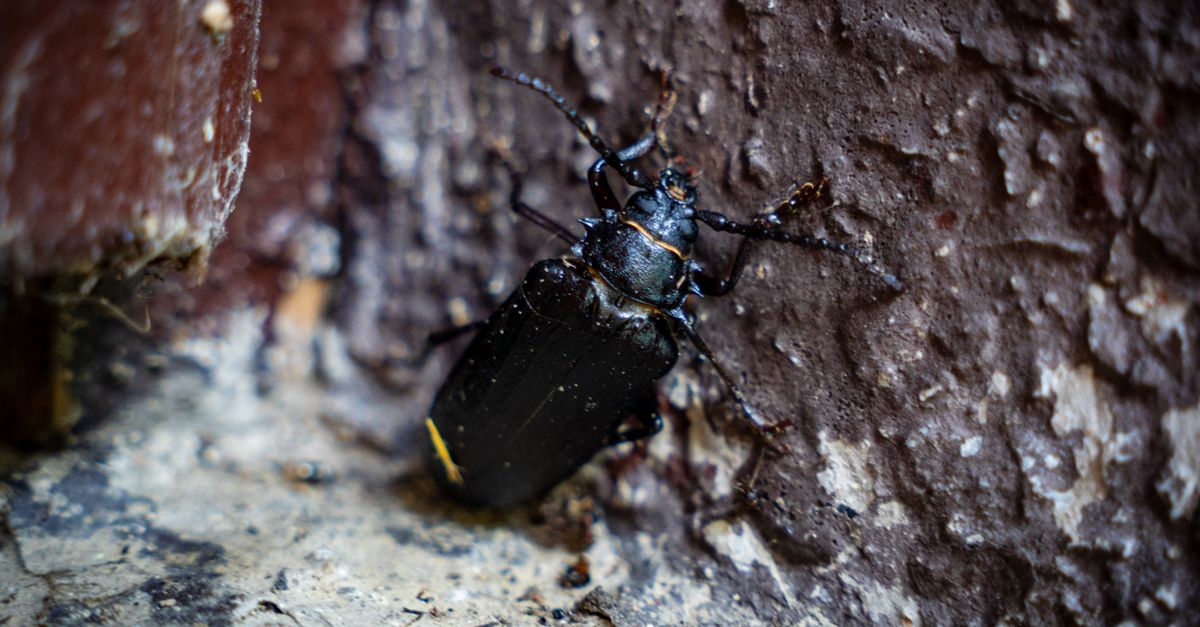
File photo — not from this news story. · See the original story's photos → · Photo: Michał Robak / Pexels
📰 Daily News
Rare Welsh beetle resurfaces after 60 years lost
AI가 레벨별로 작성한 세계 뉴스 · World news, written by AI at each level
Imagine walking through a Welsh meadow and stumbling upon an insect that most scientists believed had vanished forever. That is exactly what happened recently when researchers rediscovered the Short-Necked Oil Beetle — a creature that had not been seen in Wales for sixty years.
The Short-Necked Oil Beetle is a distinctive insect with a dark body and a fascinating life cycle. These beetles are relatively small, but they play an important role in their natural environment. For many decades, scientists and nature enthusiasts searched for this species without success. The repeated failures to find even a single beetle led many experts to believe the species had become extinct in Wales. The loss would have been significant because Wales is home to many unique plants and animals that exist nowhere else on Earth.
Then came the surprising discovery. During a recent ecological survey — the kind of careful, systematic search that scientists conduct to monitor wildlife — researchers spotted the beetle in its natural habitat. The finding was unexpected and thrilling. It suggested that small populations of these beetles might still survive in protected areas or hidden corners of the Welsh countryside. This discovery reminds us that nature sometimes holds onto secrets, and extinct does not always mean gone forever.
The rediscovery raises important questions about conservation. Scientists now want to understand where these beetles live, what they need to survive, and how to protect their habitats. The beetles depend on specific plants and environmental conditions that have become rarer over time. Urban development, changes in farming practices, and habitat loss have threatened many of Wales's native species. The existence of even a small beetle population suggests that restoration efforts might work — that with the right care, nature can recover.
This story also highlights why systematic surveys matter. When scientists regularly visit the same locations and carefully document what they find, they gather crucial information. These surveys often reveal surprises: species thought lost, new species discovered, or populations recovering against the odds. For beetles and countless other creatures, such monitoring can mean the difference between survival and extinction.
The rediscovery of the Short-Necked Oil Beetle in Wales is a small but real piece of good news in a world facing serious environmental challenges. It shows that hope is not lost, and that careful attention to nature can still bring discoveries. Now the real work begins: learning how to keep this beetle population safe and thriving for the next sixty years and beyond.
Inspired by reporting from BBC News.
📚 Vocabulary
rediscover
to find or encounter something again after a long period without seeing it
재발견하다
distinctive
having a quality or characteristic that makes something noticeably different from others
독특한, 뚜렷한
ecological survey
a systematic study or inspection of a natural area to document plants, animals, and environmental conditions
생태 조사
conservation
the protection and preservation of natural environments and wildlife
보전, 보호
habitat
the natural environment or home where a plant or animal lives
서식지
extinction
the permanent disappearance of all living members of a species; when a species no longer exists
멸종
restoration
the process of repairing or bringing something back to its original or healthy condition
복원
systematic
done in an organized, methodical way; following a careful plan or procedure
체계적인
Your next step
Step 1 · Free level test
Find your English level in about 12 minutes — free, no signup required.
Take the level test →
Step 2 · Free 30-minute class
Try one real class with Uncle J, free.
Book my free class →
Step 3 · Sign up free to get started ↓
전체 레슨을 보고 싶으세요?
Want the full lesson?
회화 연습, 역할극, 문법, 그리고 진짜 선생님이 안에 있어요.
Conversation practice, roleplay, grammar, and a real tutor are inside.