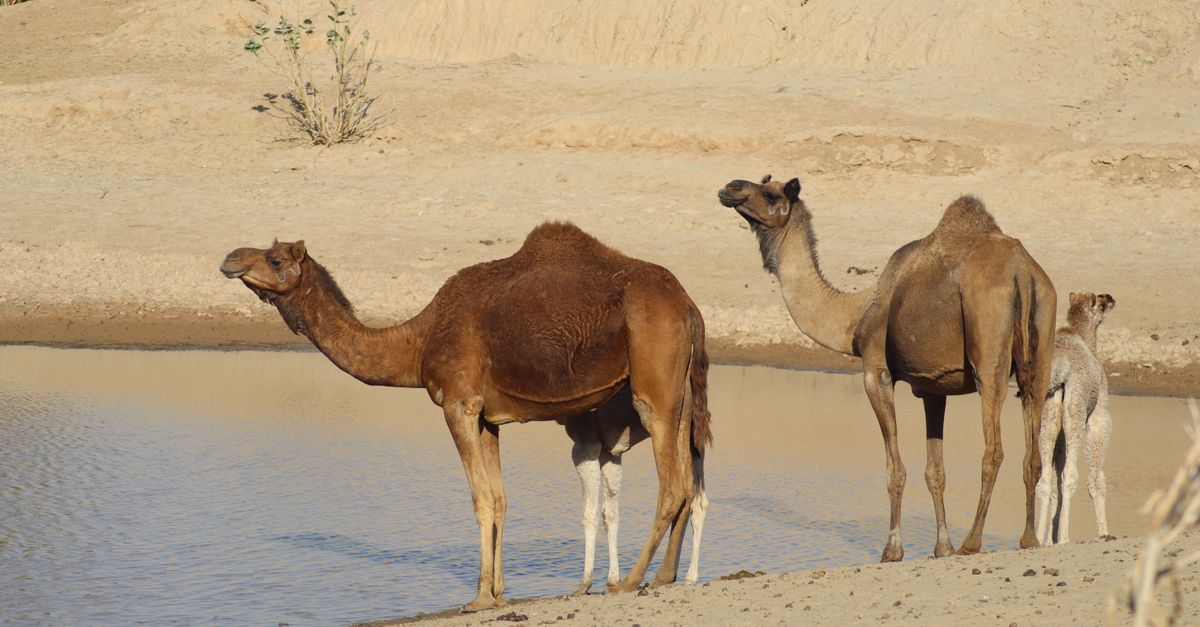
File photo — not from this news story. · See the original story's photos → · Photo: Amanat Ali Warraich / Pexels
📰 Daily News
Africa's extreme heat overwhelms even camels
AI가 레벨별로 작성한 세계 뉴스 · World news, written by AI at each level
When you think of animals built for heat, camels come to mind first. These remarkable creatures can walk for weeks without water and carry heavy loads across scorching deserts. But here's what many people don't know: even camels have limits. Across Africa right now, herders and scientists are watching something troubling happen. The extreme temperatures are pushing these "ships of the desert" to a breaking point.
Traditional camel herders in countries like Somalia, Kenya, and Sudan tell a similar story. Their animals are struggling more than ever before. Camels produce less milk—the main resource herders depend on for survival. They lose weight faster. Some animals simply refuse to move in the heat. What used to be a predictable challenge has become unpredictable and severe.
The science behind this is straightforward. Camels are adapted to hot climates, yes, but there's a difference between "hot" and "dangerously hot." When temperatures rise beyond historical norms, even an animal built for desert life must work harder to stay alive. Their bodies use more energy just to stay cool. They need more water. The grass and plants they eat become scarce because drought conditions worsen. Everything in the ecosystem becomes stressed at once.
What makes this situation urgent is that herders have few alternatives. For generations, raising camels has been their livelihood and cultural tradition. These animals are not just livestock—they represent a way of life. When camels suffer, entire communities feel the impact. Children may miss school because families must migrate farther to find water and pasture. Income drops. Food security becomes uncertain.
Experts studying this change say the problem will likely intensify. Climate models predict that African regions will continue warming. Droughts may become longer and more frequent. The traditional herding calendar—the rhythm that guides when and where to move animals—is becoming unreliable. Some herders are already trying new approaches: moving animals more often, experimenting with different breeds, or supplementing natural grazing with purchased feed. But these solutions are expensive and don't address the root cause.
What's encouraging is that awareness is growing. International organizations are working with local communities to develop climate-smart solutions. Some projects help herders diversify their income or access early warning systems for drought. Others focus on conserving water sources or protecting grazing lands. These efforts recognize that the answer isn't simple, but adaptation is possible.
The story of Africa's struggling camels reminds us that climate change isn't abstract or distant. It affects real people, real animals, and real traditions. When an animal as perfectly suited to the desert as a camel starts to struggle, it signals that something significant has shifted in our world. And that's worth paying attention to.
Here's a question worth thinking about: If animals adapted over thousands of years to their environment start failing to cope, what does that tell us about the pace of change we're experiencing?
Inspired by reporting from BBC News.
📚 Vocabulary
extreme
very strong, severe, or intense; far beyond what is normal or moderate
매우 심하거나 강함; 보통 수준을 훨씬 넘어선
livestock
farm animals raised for food, milk, or wool; animals kept by herders or farmers
음식이나 우유, 털을 위해 기르는 농장 동물; 유목민이나 농부가 기르는 동물
livelihood
a way of earning money or making a living; the means by which someone supports themselves
돈을 버는 방식; 생계를 유지하는 수단
ecosystem
a community of plants and animals that live together in the same environment and depend on each other
같은 환경에서 함께 살고 서로에게 의존하는 식물과 동물의 공동체
drought
a long period of time when there is little or no rain; a shortage of water
비가 거의 오지 않는 긴 시간; 물 부족
diversify
to increase variety; to do different types of things instead of just one
다양성을 늘리다; 한 가지 대신 여러 다른 것을 하다
migration
the movement of people or animals from one place to another, usually to find food, water, or better conditions
음식이나 물, 더 나은 조건을 찾기 위해 한 장소에서 다른 곳으로 이동하는 행위
adapt
to change or adjust to new conditions or circumstances; to become suited to an environment
새로운 조건이나 상황에 맞추어 변하다; 환경에 적응하다
Your next step
Step 1 · Free level test
Find your English level in about 12 minutes — free, no signup required.
Take the level test →
Step 2 · Free 30-minute class
Try one real class with Uncle J, free.
Book my free class →
Step 3 · Sign up free to get started ↓
전체 레슨을 보고 싶으세요?
Want the full lesson?
회화 연습, 역할극, 문법, 그리고 진짜 선생님이 안에 있어요.
Conversation practice, roleplay, grammar, and a real tutor are inside.