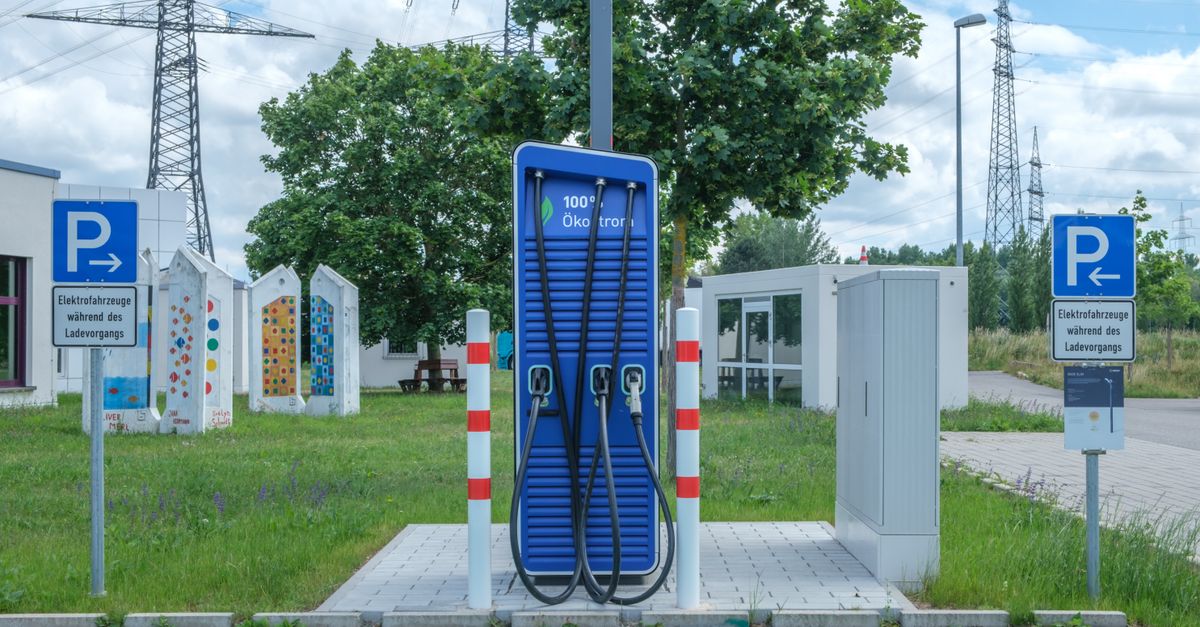
File photo — not from this news story. · See the original story's photos → · Photo: Reinhard Bruckner / Pexels
📰 Daily News
Car makers push governments to cut electric vehicle sales targets
AI가 레벨별로 작성한 세계 뉴스 · World news, written by AI at each level
Did you know that some governments want almost every new car sold to be electric within the next few years? This is a real challenge—and car makers are now saying it might not be possible.
The basic idea is simple: if we want cleaner air and less pollution, we need fewer petrol and diesel cars. So governments set targets. One country decided that by 2030, 80% of all new cars sold should be electric. But now, after hearing from major car manufacturers, officials are thinking about lowering that goal to 50%.
Why are car makers worried? There are several reasons. First, making enough electric vehicles takes time and money. Factories need to be built or redesigned. Workers need training. Second, electric cars are still more expensive than traditional cars, so many people hesitate to buy them. Third, the charging infrastructure—the networks of charging stations—is not yet developed enough in many places. If you buy an electric car, you need to know where to charge it.
Another challenge is raw materials. Electric car batteries need minerals like lithium and cobalt. These materials are not easy to find, and the supply can be limited. If demand grows too fast, prices might rise sharply, making cars even more expensive for buyers.
Car manufacturers argue that a slower transition is more realistic. They say they want to make electric vehicles, but they need time to invest in new technology and factories. A target that is too ambitious might actually hurt the industry and cause job losses. Governments, they suggest, should listen to the practical concerns of the people who build the cars.
On the other hand, environmental groups worry that lowering targets means we stay dependent on fossil fuels longer. They say the industry has had years to prepare, and now is not the time to step back.
What makes this situation interesting is that both sides want progress—they just disagree on speed. The car makers are not saying "never" to electric vehicles. They are saying "let us do this carefully." The real question might not be about the number itself, but about whether governments, manufacturers, and communities can work together to build the infrastructure and support people need to make this shift successfully.
Inspired by reporting from BBC News.
📚 Vocabulary
ambitious
having a strong desire to succeed; aiming for something difficult or impressive
성공하고자 하는 강한 욕망을 가진; 어렵거나 인상적인 것을 목표로 하는
infrastructure
the basic systems and facilities needed for a service or system to work, such as roads, power lines, or in this case, charging stations
서비스나 시스템이 작동하기 위해 필요한 기본 체계와 시설; 도로, 전력선, 또는 충전소 같은 것들
transition
a change from one state or condition to another; the process of moving from one situation to a different one
한 상태에서 다른 상태로의 변화; 한 상황에서 다른 상황으로 옮겨가는 과정
hesitate
to pause or be slow to act because of doubt or uncertainty
의심이나 불확실함 때문에 멈추거나 행동하기를 꺼리다
fossil fuels
energy sources like oil, coal, and natural gas that come from ancient plant and animal remains
석유, 석탄, 천연가스 같은 고대 식물과 동물의 유해에서 나온 에너지원
raw materials
basic substances found in nature that are used to make products or goods
제품을 만드는 데 사용되는 자연에서 찾은 기본 물질
realistic
based on facts and actual conditions; practical and sensible; not too optimistic or demanding
사실과 실제 상황에 기반한; 실용적이고 합리적인; 너무 낙관적이지 않은
step back
to move away from a goal or position; to retreat from progress already made
목표나 위치에서 물러나다; 이미 이루어진 진전에서 물러나다
Your next step
Step 1 · Free level test
Find your English level in about 12 minutes — free, no signup required.
Take the level test →
Step 2 · Free 30-minute class
Try one real class with Uncle J, free.
Book my free class →
Step 3 · Sign up free to get started ↓
전체 레슨을 보고 싶으세요?
Want the full lesson?
회화 연습, 역할극, 문법, 그리고 진짜 선생님이 안에 있어요.
Conversation practice, roleplay, grammar, and a real tutor are inside.