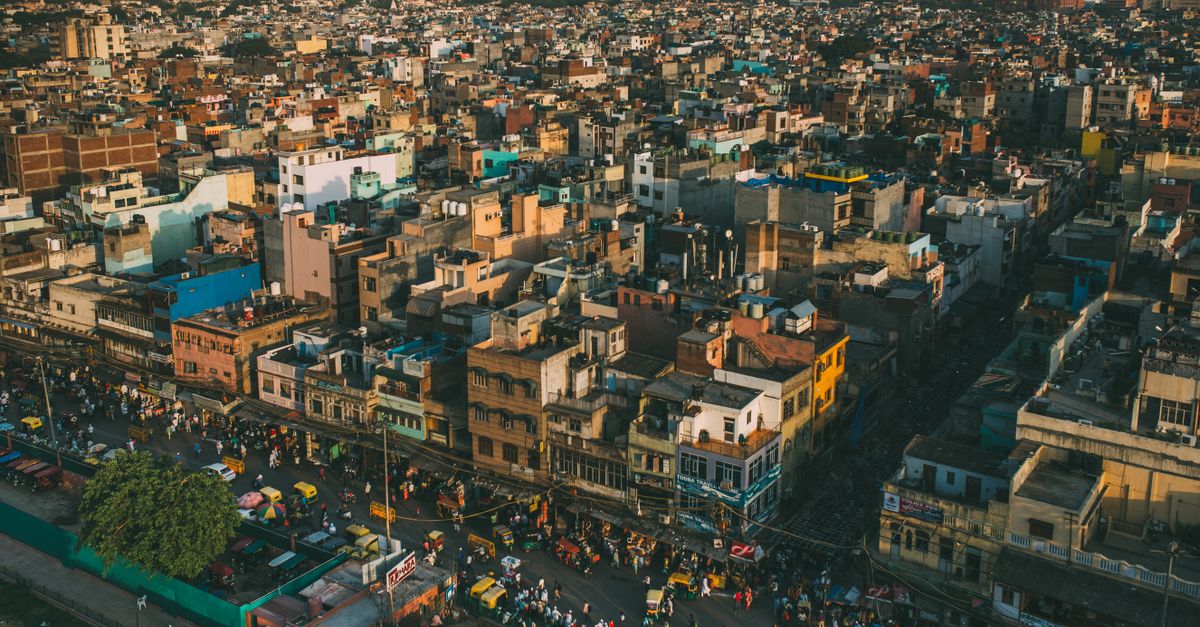
자료사진(기사 내용과 무관) · 원본 기사 사진 보기 → · Photo: Mohit Hambiria / Pexels
📰 Daily News
델리의 날씨: 온도계가 보여주는 것보다 더 뜨거운 이유
Delhi recently experienced very hot weather, with temperatures reaching 43
AI가 레벨별로 작성한 세계 뉴스 · World news, written by AI at each level
Delhi, one of India's largest cities, recently faced extreme heat. The official temperature reached 43.5 degrees Celsius. Despite this already dangerous level, many residents reported that the heat felt much worse. Scientists decided to investigate this mystery using special equipment.
A research team brought thermal cameras into Delhi to study the problem. These cameras detect heat that human eyes cannot see. The team recorded temperatures on different surfaces throughout the city. They measured roads, building walls, and other structures. The results were striking and important for understanding urban heat.
Roads and pavements showed the highest temperatures. Dark asphalt surfaces absorbed sunlight all day long. When the sun was strongest, these surfaces reached temperatures far above 43.5°C. Some areas showed surface temperatures exceeding 60°C. These extremely hot surfaces then released heat into the air around them. People standing or walking on these roads felt this intense radiation directly.
Buildings in the city also contributed to the problem. Concrete and metal walls absorbed heat during daylight hours. These materials then slowly released the absorbed energy throughout the day and into the evening. This process created what scientists call the "urban heat island effect." In cities, temperatures are often several degrees higher than in surrounding rural areas. Buildings, roads, and reduced vegetation all cause this difference.
The thermal camera study showed clear patterns. In busy downtown areas with many buildings and roads, the feeling of heat was strongest. In parks or near water, temperatures felt noticeably cooler. This demonstrates how urban design directly affects human comfort and health.
The research has practical implications for Delhi's residents. City officials can use this information to plan improvements. Adding more trees and green spaces helps. Painting roofs white or light colors reduces heat absorption. Better urban planning can lower temperatures significantly. These solutions require cooperation between government, builders, and residents.
Understanding the difference between air temperature and surface temperature is crucial in a warming world. As cities grow larger and hotter, this knowledge becomes increasingly important. Delhi's thermal camera study provides valuable lessons for other cities facing similar challenges.
Inspired by reporting from BBC News.
📚 어휘
thermal
relating to heat or temperature
열이나 온도와 관련된
absorb
to take in or soak up
흡수하다, 빨아들이다
extreme
very great in degree; reaching the furthest point
매우 심한, 극단적인
urban heat island effect
a phenomenon where cities are significantly warmer than surrounding rural areas due to buildings, roads, and reduced vegetation
건물, 도로, 감소된 식생으로 인해 도시가 주변 시골 지역보다 훨씬 더 따뜻해지는 현상
radiation
heat or energy that spreads out from a source
열이나 에너지가 근원에서 퍼져 나가는 것
vegetation
plants and trees in a particular area
특정 지역의 식물과 나무
investigate
to examine or study something carefully to discover facts
사실을 발견하기 위해 신중하게 조사하거나 연구하다
implication
a possible effect or result; a conclusion suggested indirectly
가능한 영향이나 결과; 간접적으로 암시되는 결론
다음 단계
1단계 · 무료 레벨 테스트
약 12분이면 내 영어 레벨을 확인할 수 있어요 — 무료, 회원가입 없이 가능해요.
레벨 테스트 하러 가기 →
2단계 · 무료 30분 수업
Uncle J와 진짜 수업을 무료로 한 번 체험해보세요.
무료 수업 신청하기 →
3단계 · 무료로 가입하고 시작하세요 ↓
전체 레슨을 보고 싶으세요?
Want the full lesson?
회화 연습, 역할극, 문법, 그리고 진짜 선생님이 안에 있어요.
Conversation practice, roleplay, grammar, and a real tutor are inside.