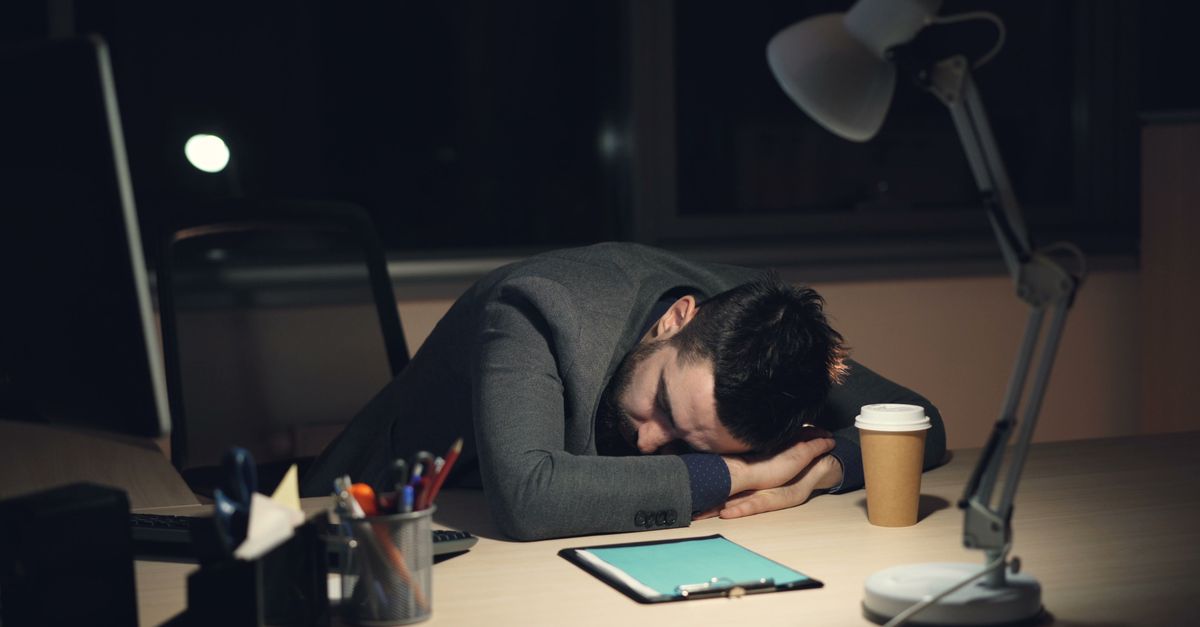
자료사진(기사 내용과 무관) · 원본 기사 사진 보기 → · Photo: Vitaly Gariev / Pexels
📰 Daily News
일본 총리, 하루 3시간 이하로 나라 다스린다
Japan's PM runs country on zero to three hours sleep
AI가 레벨별로 작성한 세계 뉴스 · World news, written by AI at each level
Can a person really run a country on almost no sleep? Japan's prime minister Sanae Takaichi recently opened up about her sleep habits, and the answer she gave surprised many people around the world.
Takaichi says she typically sleeps between zero and three hours per night. For most of us, that sounds impossible. A full night of sleep usually means seven to nine hours. Yet Takaichi claims she manages her demanding job with just a fraction of that time. She is not alone in this habit—many world leaders report sleeping very little. But her honesty about the extreme deprivation sparked serious conversations about whether this is sustainable or simply unhealthy.
Sleep scientists have strong opinions on this topic. They explain that sleep is not a luxury; it is essential for the human brain and body. During sleep, your brain consolidates memories, processes emotions, and repairs itself. Without enough sleep, decision-making suffers. Reaction time slows down. Creativity and focus fade. For someone leading a nation, these consequences could matter a great deal. Researchers worry that leaders operating on minimal sleep may make poor choices under pressure.
Interestingly, some people claim they need less sleep than others. Scientists call these individuals "short sleepers." Genetic variations may allow a small percentage of the population to thrive on five hours or less. However, most of us cannot function well on three hours, no matter how determined we are. The difference between a rare short sleeper and someone simply ignoring their body's needs is significant.
Takaichi's revelation also reflects cultural attitudes about work and dedication. In Japan, overwork is sometimes seen as a sign of commitment and loyalty. Long hours and minimal rest have been normalized in many workplaces. Yet this culture is slowly changing. Japan's government now encourages better work-life balance and recognizes that burnout damages productivity and health.
The larger question remains: should we admire leaders who sacrifice sleep for their jobs, or should we worry about them? Most sleep experts say the answer is clear. A leader who is well-rested makes better decisions. A leader who is exhausted puts their nation at risk. Perhaps the real strength is knowing when to rest—and having the courage to prioritize sleep over endless work.
So what do you think? If you were leading a country, would you follow Takaichi's path of minimal sleep? Or would you insist on getting proper rest? The answer might say something important about what we truly value in our leaders.
Inspired by reporting from BBC News.
📚 어휘
deprivation
the state of lacking something important, like sleep or food
수면이나 음식 같은 중요한 것을 빼앗기거나 못 갖는 상태
consolidate
to combine separate things into one; to make memories stable and permanent
여러 것을 하나로 합치다; 기억을 안정적이고 영구적으로 만들다
sustain / sustainable
to keep something going; able to continue over a long time without running out
무언가를 계속 유지하다; 오랫동안 계속할 수 있는
fraction
a small part of something larger; also a mathematical division
더 큰 무언가의 작은 부분; 또한 수학의 나눗셈
genetic
related to genes; inherited from parents through DNA
유전자와 관련된; 부모로부터 DNA를 통해 물려받은
prioritize
to decide what is most important and focus on it first
가장 중요한 것을 결정하고 먼저 집중하다
revelation
a surprising fact that becomes known; something previously hidden that is now shown
알려지게 되는 놀라운 사실; 이전에 숨겨진 것이 이제 드러나다
burnout
physical or mental exhaustion caused by overwork; loss of energy and motivation
과로로 인한 신체적 또는 정신적 탈진; 에너지와 동기의 상실
다음 단계
1단계 · 무료 레벨 테스트
약 12분이면 내 영어 레벨을 확인할 수 있어요 — 무료, 회원가입 없이 가능해요.
레벨 테스트 하러 가기 →
2단계 · 무료 30분 수업
Uncle J와 진짜 수업을 무료로 한 번 체험해보세요.
무료 수업 신청하기 →
3단계 · 무료로 가입하고 시작하세요 ↓
전체 레슨을 보고 싶으세요?
Want the full lesson?
회화 연습, 역할극, 문법, 그리고 진짜 선생님이 안에 있어요.
Conversation practice, roleplay, grammar, and a real tutor are inside.