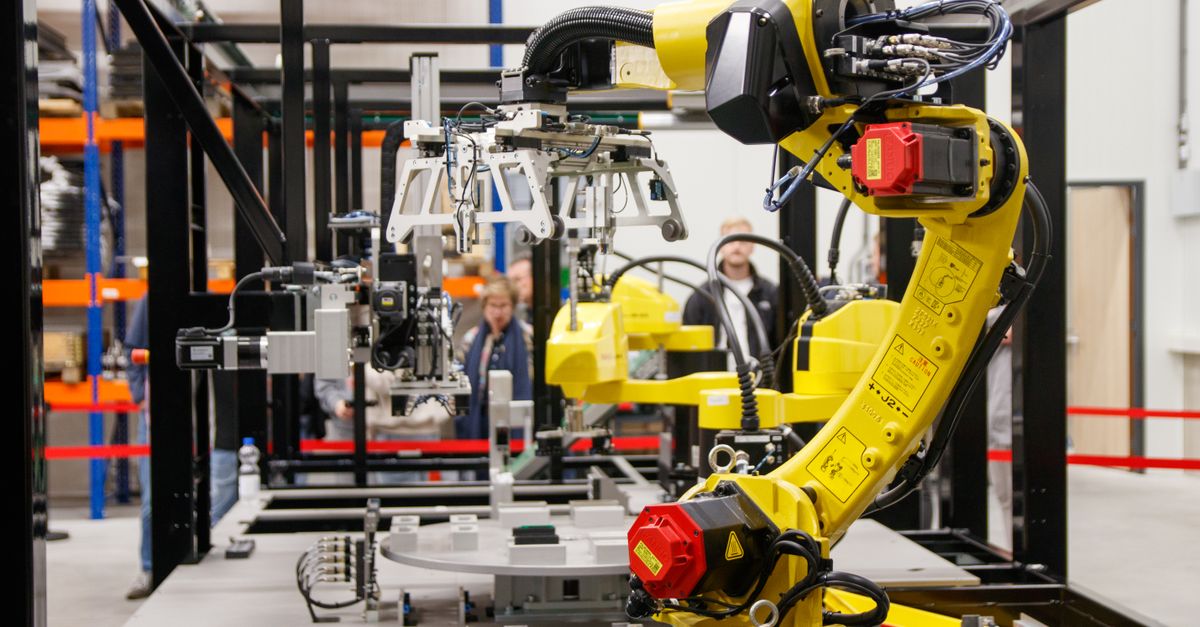
자료사진(기사 내용과 무관) · 원본 기사 사진 보기 → · Photo: Freek Wolsink / Pexels
📰 Daily News
중국 공장에 200만 대 로봇 조용히 침투 중
Two million robots quietly reshape Chinese factories
AI가 레벨별로 작성한 세계 뉴스 · World news, written by AI at each level
When we think of robots, we often picture shiny humanoid machines with faces and arms. Yet China's true robot story is very different—and far more powerful.
Right now, more than two million robots work inside Chinese factories. These are not the famous ones you see in news videos. Most are industrial arms, conveyor systems, and specialized machines that perform the same job every single day. They don't look human. They look practical.
This scale matters. Two million robots mean two million tasks handled by machines instead of people. Assembly lines move faster. Precision improves. Costs drop. For factory owners, robots make economic sense. For workers, the change raises real questions about employment and retraining.
What makes this a "quiet" revolution? Speed. Visibility. The shift from human labor to machine labor is happening so quickly that we barely notice it. A new robot arm arrives at a factory. Workers adapt or relocate. Production numbers climb. The world reads about it in earnings reports, not news headlines.
China is not alone in this trend, but the scale is remarkable. Western factories also use robots, yet the pace of adoption in China is accelerating faster than anywhere else. This reflects both labor costs and national strategy: China's government actively encourages automation as a path to economic competitiveness.
Here's the interesting part: while humanoid robots capture our imagination and investment money, the ordinary factory robots do most of the real work. A humanoid might sort packages in a warehouse. But millions of non-humanoid machines are building smartphones, assembling electronics, manufacturing textiles, and packaging goods every hour of every day.
The challenge ahead is not whether automation will continue—it will. The challenge is how societies manage the transition. Workers need new skills. Education systems must adapt. Policy makers must decide how to balance productivity gains with employment security.
So the next time you see a headline about a humanoid robot, remember: that's the visible story. The bigger story is happening silently in millions of factories, where ordinary machines are quietly reshaping how the world manufactures almost everything.
Does your country talk about automation in factories? What worries you most about robots in the workplace—or excites you most?
Inspired by reporting from BBC News.
📚 어휘
humanoid
resembling or made to look like a human being
인간처럼 생겼거나 인간 모양으로 만들어진
revolution
a major or sudden change in how things are done or how people think
무언가가 하는 방식이나 사람들의 생각이 크게 변하는 것
industrial
related to manufacturing or factories
제조업이나 공장과 관련된
scale
the size or extent of something; how large or widespread it is
무언가의 크기나 범위; 얼마나 크거나 널리 퍼져 있는지
precision
the quality of being exact and accurate
정확하고 실수가 없는 특성
adoption
the act of starting to use something new; acceptance of new technology or ideas
새로운 것을 사용하기 시작하는 행위; 새로운 기술이나 생각을 받아들이기
transition
a change from one state or situation to another
한 상태나 상황에서 다른 상태로 옮아가는 것
competitiveness
the ability to compete effectively with others; having advantages in a market
다른 것들과 효과적으로 경쟁할 수 있는 능력; 시장에서 유리함
다음 단계
1단계 · 무료 레벨 테스트
약 12분이면 내 영어 레벨을 확인할 수 있어요 — 무료, 회원가입 없이 가능해요.
레벨 테스트 하러 가기 →
2단계 · 무료 30분 수업
Uncle J와 진짜 수업을 무료로 한 번 체험해보세요.
무료 수업 신청하기 →
3단계 · 무료로 가입하고 시작하세요 ↓
전체 레슨을 보고 싶으세요?
Want the full lesson?
회화 연습, 역할극, 문법, 그리고 진짜 선생님이 안에 있어요.
Conversation practice, roleplay, grammar, and a real tutor are inside.