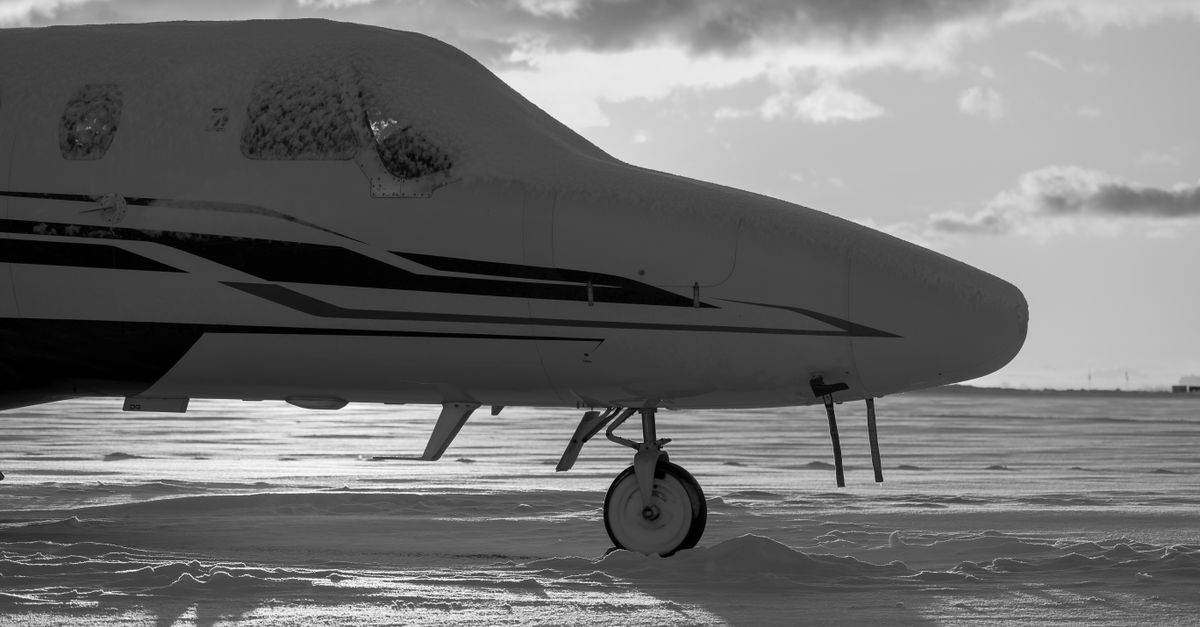
File photo — not from this news story. · See the original story's photos → · Photo: Joerg Mangelsen / Pexels
📰 Daily News
Australian pilots land plane in complete Antarctic darkness
AI가 레벨별로 작성한 세계 뉴스 · World news, written by AI at each level
Imagine landing an airplane when you cannot see anything outside your window. An Australian aviation crew did exactly that. They flew to Antarctica during the middle of winter to rescue a patient from McMurdo Station, one of the largest research bases on the frozen continent.
The rescue happened in complete darkness. During Antarctic winter, the sun does not rise for months. Pilots had to rely entirely on instruments and lights to guide the plane down. The outside temperature was -43°C — so cold that exposed skin can freeze in minutes. This was not a routine flight. This was a life-or-death situation.
McMurdo Station sits on Ross Island and is home to hundreds of scientists and support staff. The base is remote, isolated, and far from modern hospitals. When a patient became seriously ill, the decision was clear: the person needed to leave Antarctica immediately. But getting out during winter is extremely difficult. Few planes can operate in these conditions. Most aviation operations shut down when Antarctic winter arrives.
The Australian crew accepted the challenge. They prepared their aircraft and filed their flight plan. Flying to Antarctica requires special training and specialized equipment. The plane had to withstand extreme cold and navigate by instruments alone. The crew needed experience, skill, and courage. During the approach to the base, pilots used runway lights and ground guidance to position the aircraft. They descended slowly through the darkness, trusting their instruments and their training.
Once on the ground, the patient was carefully loaded onto the plane. The crew did not stay long. The mission was to evacuate the person and return safely. Within hours, they took off again, climbing back into the darkness above Antarctica. The flight path led north, toward warmer air and returning daylight. The patient reached medical care and the crew returned home.
This rescue shows us something important about human determination. Antarctica is one of Earth's harshest environments. People who work there accept enormous risks. When emergencies happen, rescue teams must overcome extreme obstacles. Bad weather, darkness, cold, and isolation are normal challenges. Yet skilled professionals train for exactly these moments. They prepare, they practice, and when they are needed, they act.
The Antarctic winter rescue also reminds us why scientists stay in Antarctica at all. Research stations like McMurdo investigate climate change, study the ice, and conduct experiments impossible anywhere else on Earth. These scientists contribute to human knowledge. But their work carries real danger. Communities in extreme environments depend on rescue networks and support from the outside world.
Did you know that McMurdo Station has its own small hospital? Yet even with medical facilities on site, some emergencies require transport to a major city. For this reason, rescue teams must be ready at any time — even when flying through total darkness at -43°C seems impossible. What would you do if you faced such a choice: stay in a hospital far from your family, or trust a dangerous flight through the Antarctic night?
Inspired by reporting from BBC News.
📚 Vocabulary
daring
willing to take risks; bold and adventurous
위험을 감수할 의지가 있는; 대담한
evacuate
to remove or leave a place of danger quickly
위험한 장소에서 빠르게 떠나거나 나가게 하다
isolated
far away from other places or people; alone
다른 장소나 사람들로부터 멀리 떨어진; 고립된
instrument
a tool or device used for a specific purpose, especially in a plane or ship for navigation
특정 목적을 위해 사용하는 도구 또는 장치; 특히 비행기나 배의 항법 장비
extreme
very severe or intense; the highest or lowest possible level
매우 심한 또는 강렬한; 가능한 가장 높거나 낮은 수준
professional
a person trained and skilled in their job or field of work
자신의 직업이나 분야에서 훈련되고 숙련된 사람
obstacle
something that blocks progress or makes something difficult
진행을 막거나 어렵게 하는 것
contribute
to give or add to something; to help make something happen
무언가에 주거나 추가하다; 무언가가 일어나도록 돕다
Your next step
Step 1 · Free level test
Find your English level in about 12 minutes — free, no signup required.
Take the level test →
Step 2 · Free 30-minute class
Try one real class with Uncle J, free.
Book my free class →
Step 3 · Sign up free to get started ↓
전체 레슨을 보고 싶으세요?
Want the full lesson?
회화 연습, 역할극, 문법, 그리고 진짜 선생님이 안에 있어요.
Conversation practice, roleplay, grammar, and a real tutor are inside.