 Egypt
이집트
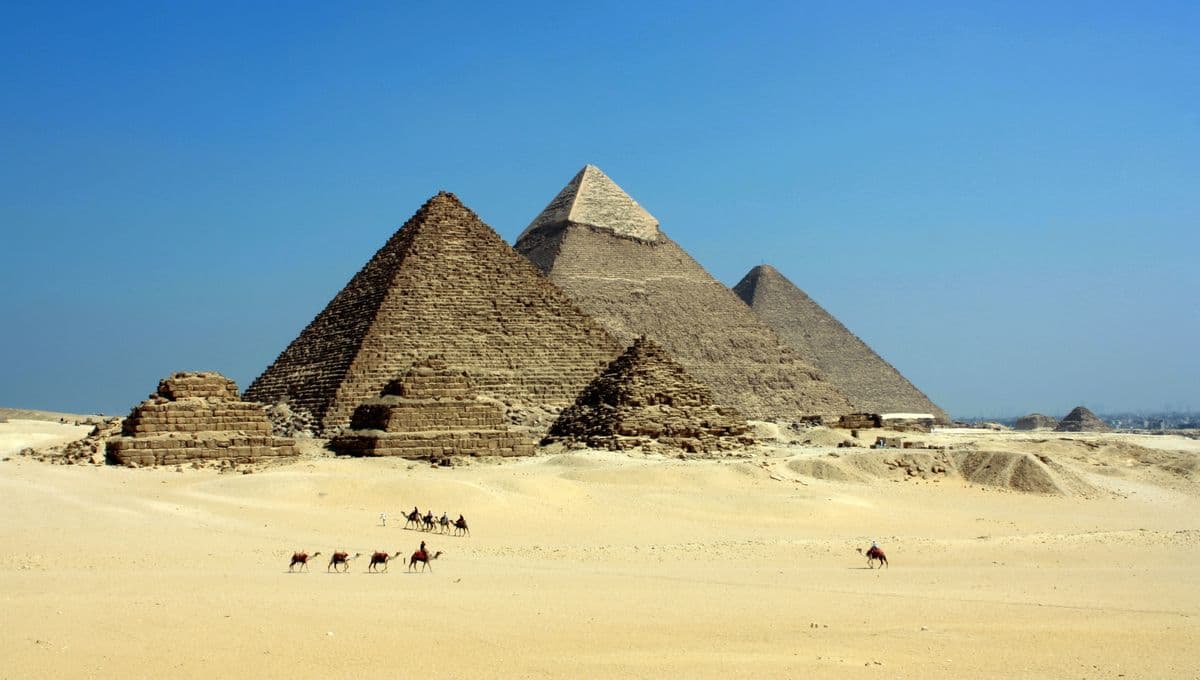
📍 The Great Pyramid of Giza · 기자의 대피라미드
“Where one ancient wonder still stands in the desert.”
고대의 불가사의 하나가 사막에 여전히 서 있는 곳.
🤔 Big Question
How does Egypt's ancient history shape the way Egyptians see themselves today?
이집트의 고대 역사는 오늘날 이집트인들이 자신을 바라보는 방식을 어떻게 형성하나요?
Stand at the base of the Great Pyramid and look up. People placed these stones here 4,500 years ago. That is older than ancient Rome. For Layla, your Cairo guide, this is not a museum. It is home. She talks about the pyramids the way you talk about your grandparents' village. It is personal, and it belongs to her. Egypt's ancient past is everywhere. You see it on street names and banknotes, and you hear it in daily talk. It gives many Egyptians a feeling of pride. This pride does not depend on money or power today. So how does a country's ancient history shape the way its people see themselves?
대피라미드 아래에 서서 올려다보세요. 사람들은 이 돌들을 4,500년 전에 이곳에 놓았어요. 고대 로마보다 더 오래됐어요. 카이로 가이드 레일라에게 이곳은 박물관이 아니에요. 집이에요. 그녀는 여러분이 할머니 할아버지의 고향 이야기를 하듯 피라미드 이야기를 해요. 개인적이고, 자신의 것이에요. 이집트의 고대 역사는 어디에나 있어요. 거리 이름과 지폐에서 볼 수 있고, 일상 대화에서도 들려요. 그것은 많은 이집트 사람들에게 자부심을 줘요. 이 자부심은 오늘날의 돈이나 힘에 달려 있지 않아요. 그렇다면 한 나라의 고대 역사는 그 나라 사람들이 자신을 보는 방식을 어떻게 만들까요?
🧠 Thinking Lab
Egypt's ancient history is part of daily life. How does Korean history show up in daily life?
전체 레슨을 보고 싶으세요?
Want the full lesson?
회화 연습, 역할극, 문법, 그리고 진짜 선생님이 안에 있어요.
Conversation practice, roleplay, grammar, and a real tutor are inside.